Ramen Noodles VS Buldak Noodles
A detailed nutritional comparison
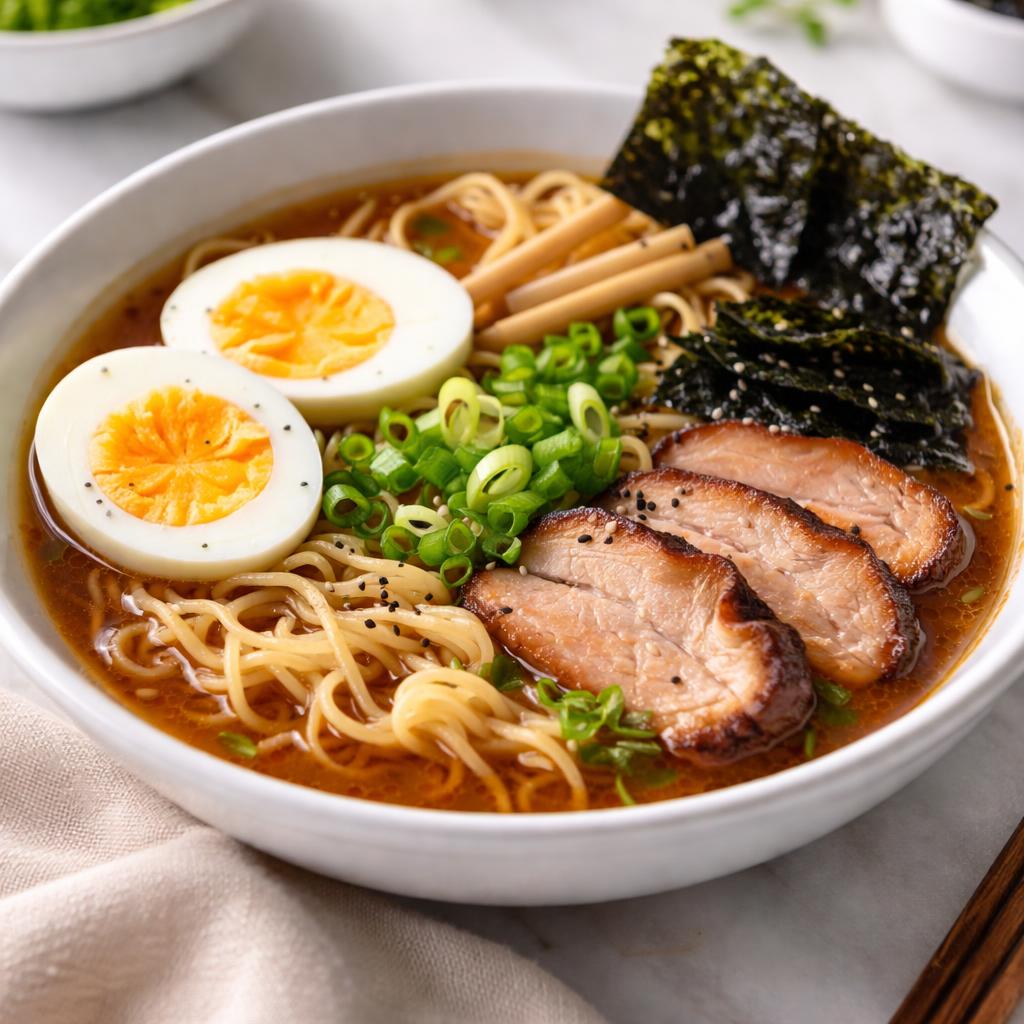
Ramen Noodles
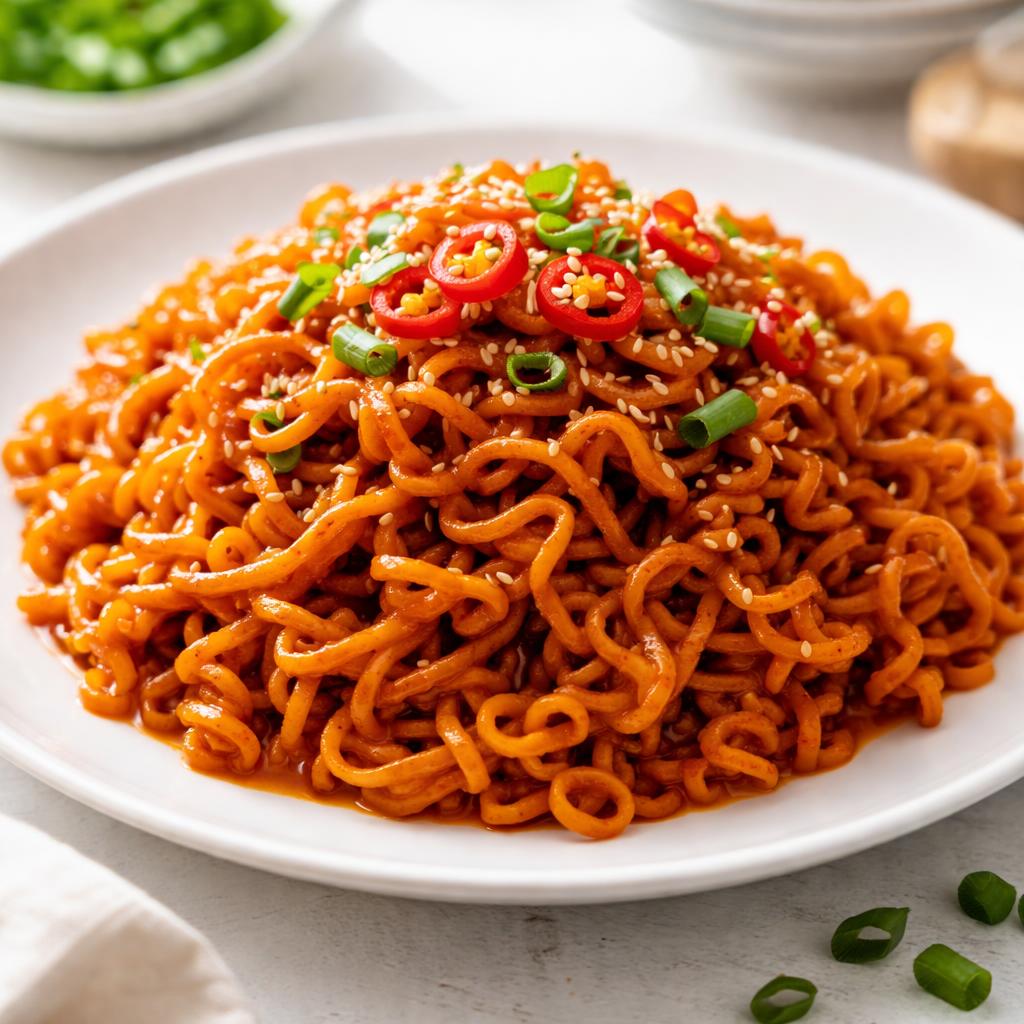
Buldak Noodles
🎯 Quick Verdict
Ramen noodles are lower in calories and slightly better for low-fat diets, while buldak noodles provide more protein and stronger flavor. Both are high-carb and lack substantial vitamins, but buldak noodles may better serve those aiming for higher protein intake or intense spice cravings.

Smart Nutrition Tracking with SnapCalorie

📊 Nutritional Comparison
Macronutrients
| Nutrient | Food 1 | Food 2 | Winner |
|---|---|---|---|
| Calories | 375 | 530 | ✓ |
| Protein | 9g | 13g | ✓ |
| Carbs | 52g | 72g | ✓ |
| Fat | 15g | 16g | ✓ |
| Fiber | 2g | 2g | − |
Vitamins & Minerals
| Nutrient | Food 1 | Food 2 | Winner |
|---|---|---|---|
| Vitamin D | 0mcg | 0mcg | − |
| Calcium | 10mg | 30mg | ✓ |
| Iron | 2.5mg | 3mg | ✓ |
🏆 Category Winners
Protein
Buldak noodles provide 44% more protein compared to ramen noodles.
Fiber
Both foods provide equal fiber content, at 2g per serving.
Calories
Ramen noodles contain significantly fewer calories than buldak noodles.
Vitamins
Buldak noodles provide slightly better levels of calcium and iron.
🥗 Diet Compatibility
Keto
Food 1: Not Compatible
Food 2: Not Compatible
Both ramen and buldak noodles are high-carb foods.
Vegan
Food 1: Not Compatible
Food 2: Not Compatible
Both noodles often contain animal-derived seasonings or ingredients.
Gluten Free
Food 1: Not Compatible
Food 2: Not Compatible
Both noodles contain wheat, making them unsuitable for gluten-sensitive diets.
Paleo
Food 1: Not Compatible
Food 2: Not Compatible
Grain-based noodles do not align with paleo dietary guidelines.
Low-Carb
Food 1: Not Compatible
Food 2: Not Compatible
Both noodles are carb-heavy, with over 50g of carbs per serving.
💪 Health Benefits Comparison
Food 1 Benefits
- Lower calorie option for portion control
- Moderate protein for general dietary needs
- Convenient and quick meal preparation
Food 2 Benefits
- Higher protein content for muscle repair and growth
- Includes intense spices which may boost metabolism
- Better source of minerals (calcium and iron)
✅ The Bottom Line
Choose ramen noodles for a lighter, lower-calorie option or budget-friendly convenience. Opt for buldak noodles if you’re seeking a higher-protein, spicy kick with slightly more nutritional advantages like calcium and iron.
Choose Food 1 for: Weight management, quick and affordable meals, simplicity
Choose Food 2 for: High-protein needs, spicy flavor cravings, enhanced mineral intake


