Quinoa VS Stuffed Bread
A detailed nutritional comparison
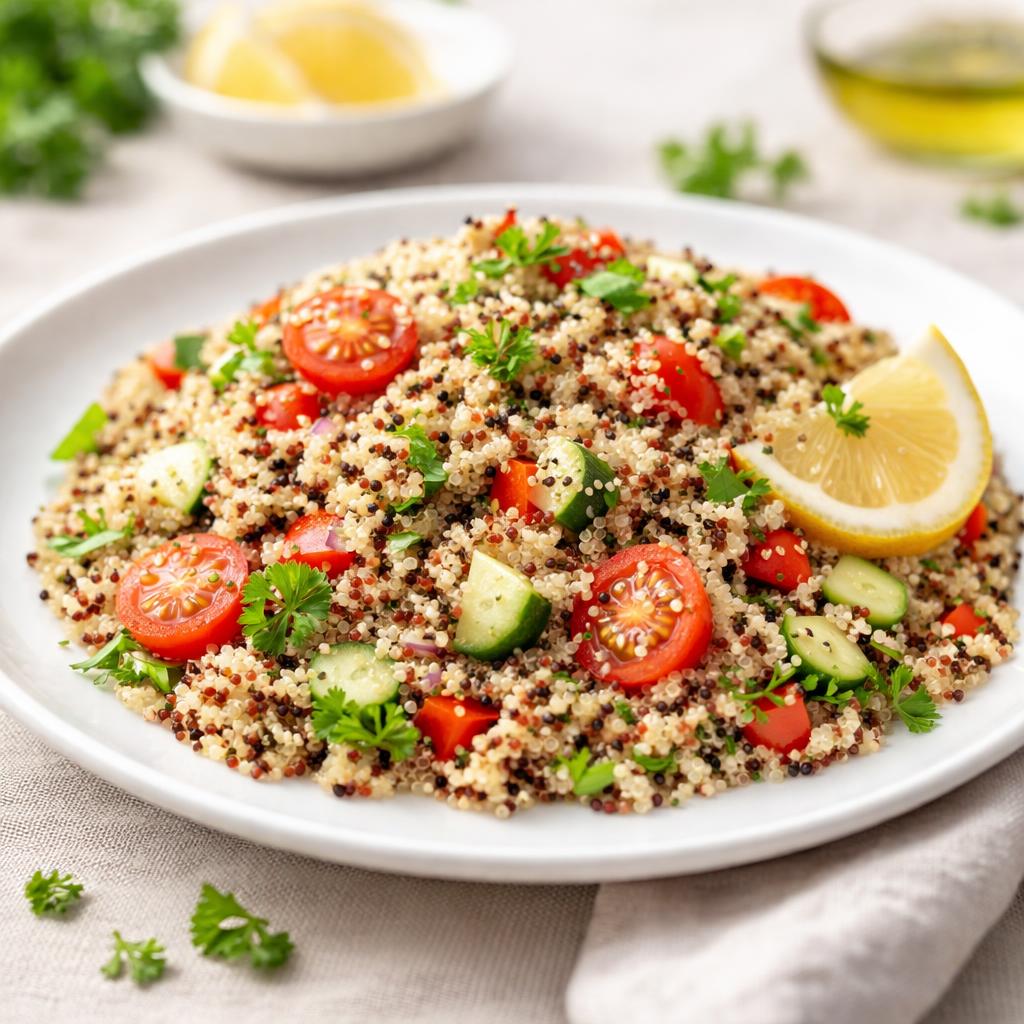
Quinoa
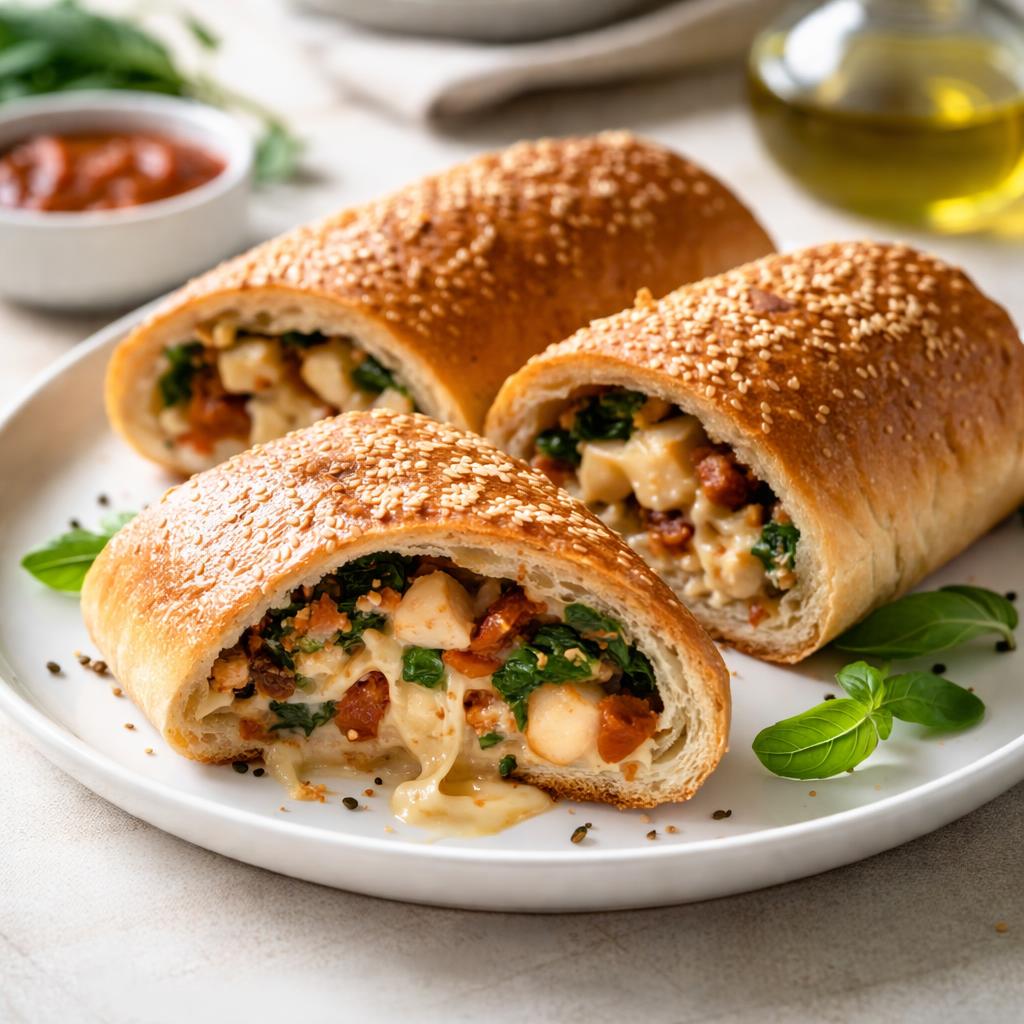
Stuffed Bread
🎯 Quick Verdict
Quinoa outshines stuffed bread nutritionally by offering higher protein, fiber, and lower calories. While stuffed bread is rich in carbohydrates and provides quick energy, quinoa is versatile and nutrient-dense, making it ideal for balanced meals or weight-conscious diets.

Smart Nutrition Tracking with SnapCalorie

📊 Nutritional Comparison
Macronutrients
| Nutrient | Food 1 | Food 2 | Winner |
|---|---|---|---|
| Calories | 120 | 250 | ✓ |
| Protein | 4.1g | 5g | − |
| Carbs | 21g | 35g | ✓ |
| Fat | 1.9g | 10g | ✓ |
| Fiber | 2.8g | 1g | ✓ |
Vitamins & Minerals
| Nutrient | Food 1 | Food 2 | Winner |
|---|---|---|---|
| Vitamin D | 0mcg | 1mcg | ✓ |
| Calcium | 17mg | 40mg | ✓ |
| Iron | 1.5mg | 2mg | ✓ |
🏆 Category Winners
Protein
Both foods provide comparable levels of protein per serving (around 4-5g).
Fiber
Quinoa has nearly three times more dietary fiber.
Calories
Quinoa offers significantly fewer calories per serving, making it lighter.
Vitamins
Stuffed bread contains modestly higher amounts of calcium, iron, and Vitamin D.
🥗 Diet Compatibility
Keto
Food 1: Not Compatible
Food 2: Not Compatible
Both are relatively high in carbohydrates.
Vegan
Food 1: Compatible
Food 2: Depends on filling
Quinoa is plant-based, while stuffed bread must have vegan-compatible filling.
Gluten Free
Food 1: Compatible
Food 2: Not Compatible
Quinoa is naturally gluten-free, but stuffed bread typically contains wheat.
Paleo
Food 1: Compatible
Food 2: Not Compatible
Quinoa fits paleo diets while bread does not.
Low-Carb
Food 1: Not Compatible
Food 2: Not Compatible
Both foods are high in carbs; neither fits low-carb diets.
💪 Health Benefits Comparison
Food 1 Benefits
- Rich in fiber for improved digestion
- Provides all nine essential amino acids
- Low glycemic index for stable blood sugar
- Great source of magnesium and potassium
Food 2 Benefits
- Provides quick carbohydrates for energy
- Can be fortified with vitamins (e.g., calcium, iron)
- Comfort food with versatile savory or sweet options
- May include protein from fillings (e.g., meat or cheese)
✅ The Bottom Line
Quinoa is ideal for those seeking a high-fiber, nutrient-dense, versatile ingredient suited for weight management or balanced meals. Stuffed bread works well for quick energy boosts, but it is better as an occasional treat due to higher fat and calories.
Choose Food 1 for: Balanced diets, vegan meals, gluten-free cooking, enhanced digestion
Choose Food 2 for: Quick energy, indulgent meals, on-the-go snacking


