Quinoa VS Steamed Rice
A detailed nutritional comparison
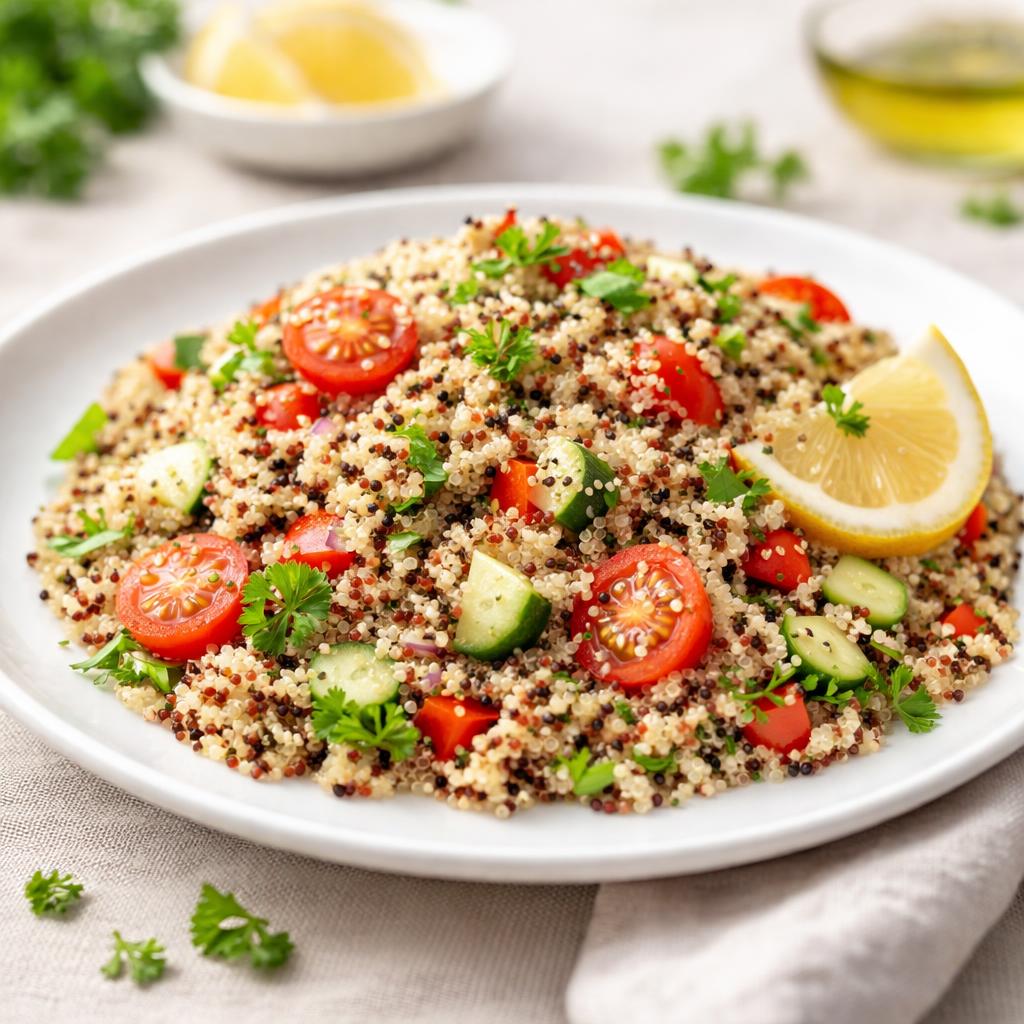
Quinoa
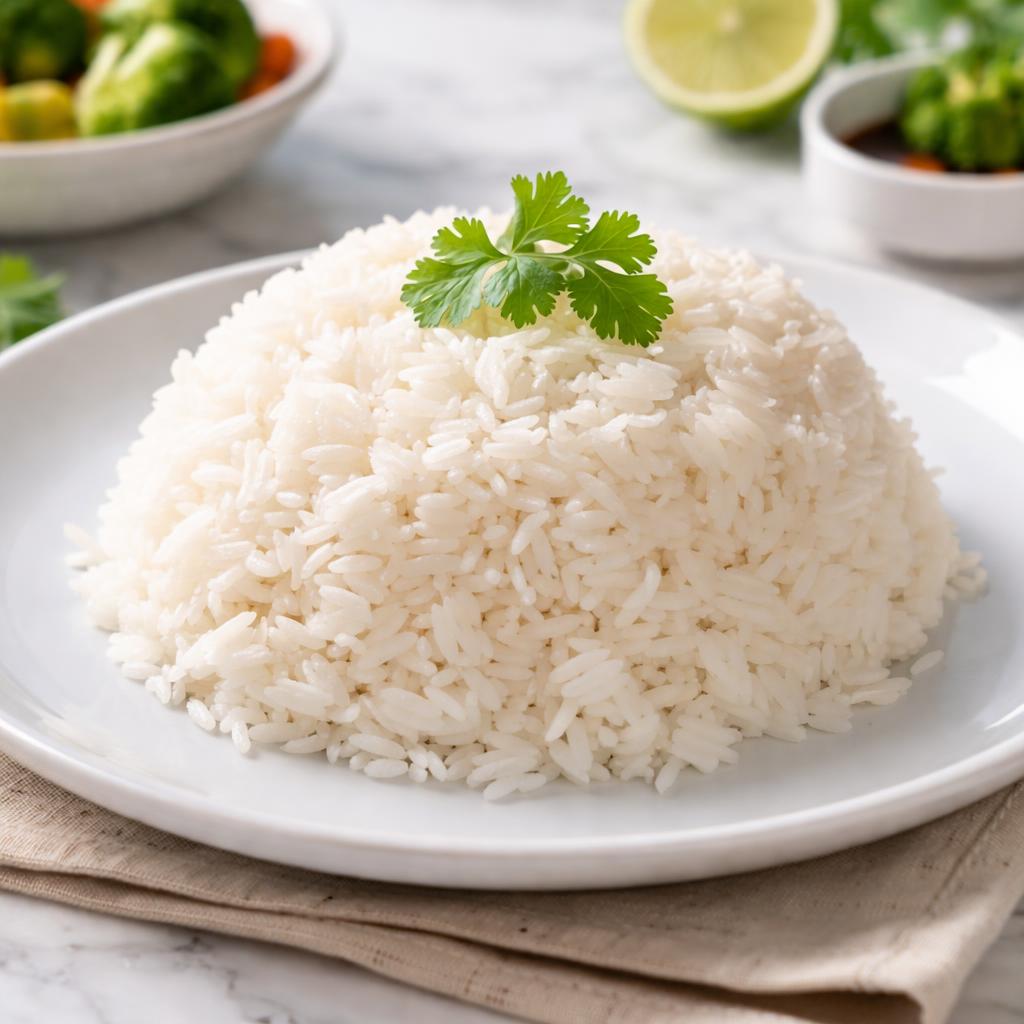
Steamed Rice
🎯 Quick Verdict
Quinoa is more nutrient-dense than steamed rice, offering higher protein, fiber, and a greater variety of vitamins and minerals. Steamed rice is lower in calories and provides quick energy with simple carbs. Quinoa is ideal for balanced diets, muscle maintenance, and long-lasting satiety, while steamed rice works well for low-fat, energy-demanding situations.

Smart Nutrition Tracking with SnapCalorie

📊 Nutritional Comparison
Macronutrients
| Nutrient | Food 1 | Food 2 | Winner |
|---|---|---|---|
| Calories | 120 | 200 | ✓ |
| Protein | 4g | 2g | ✓ |
| Carbs | 21g | 45g | ✓ |
| Fat | 2g | 0.5g | ✓ |
| Fiber | 2.5g | 0.5g | ✓ |
Vitamins & Minerals
| Nutrient | Food 1 | Food 2 | Winner |
|---|---|---|---|
| Vitamin B1 | 0.1mg | 0.02mg | ✓ |
| Iron | 1.5mg | 0.2mg | ✓ |
| Magnesium | 64mg | 10mg | ✓ |
| Zinc | 1.1mg | 0.4mg | ✓ |
🏆 Category Winners
Protein
Quinoa has twice the protein content of steamed rice.
Fiber
Quinoa contains 5x more fiber per serving.
Calories
Steamed rice has 40% more calories, making it better for energy needs.
Vitamins
Quinoa offers higher amounts of iron, magnesium, and zinc, essential for various bodily functions.
🥗 Diet Compatibility
Keto
Food 1: Not Compatible
Food 2: Not Compatible
Both have too many carbs for keto diets.
Vegan
Food 1: Compatible
Food 2: Compatible
Both are plant-based foods.
Gluten Free
Food 1: Compatible
Food 2: Compatible
Neither contains gluten.
Paleo
Food 1: Compatible
Food 2: Compatible
Both align with paleo guidelines for whole, unprocessed foods.
Low Carb
Food 1: Not Compatible
Food 2: Not Compatible
Both are moderate to high in carbohydrates.
💪 Health Benefits Comparison
Food 1 Benefits
- Complete protein with all nine essential amino acids
- High fiber content aids digestion and promotes satiety
- Rich in magnesium and iron for energy production
- Contains antioxidants for reducing inflammation
Food 2 Benefits
- Easy to digest and provides quick energy
- Low in fat, suitable for low-fat diets
- Versatile and pairs well with lean proteins and vegetables
- Supports a high-calorie diet for physically active individuals
✅ The Bottom Line
Quinoa is the better option if you are looking for nutrient density, including higher protein, fiber, and minerals. Steamed rice is preferable for those seeking a lower-fat, quick energy food that complements balanced meals. Both have unique use cases—quinoa works for balanced, sustainable diets, while steamed rice is better for quick, calorie-heavy meals.
Choose Food 1 for: Balanced diets, muscle maintenance, long-lasting satiety
Choose Food 2 for: Quick energy, low-fat diets, budget-friendly meal options


