Quinoa VS Rice Pudding
A detailed nutritional comparison
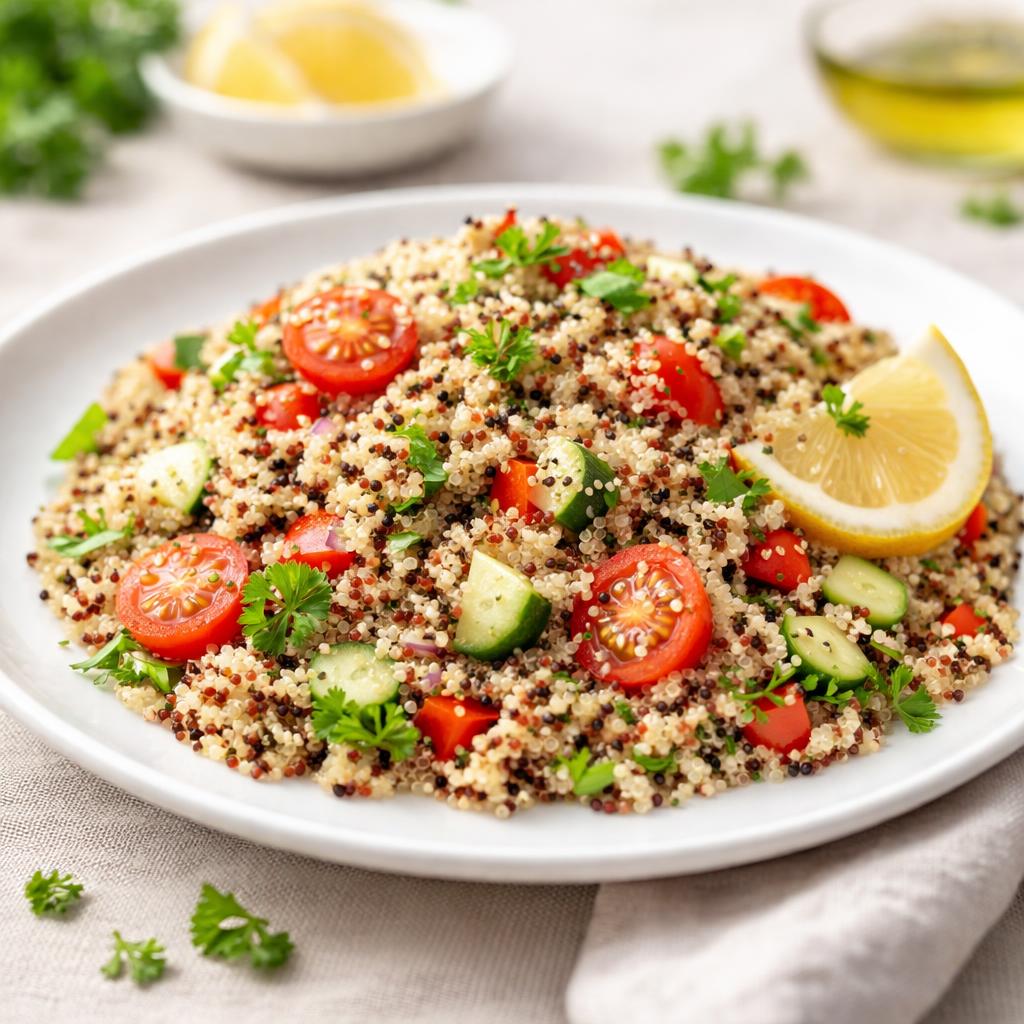
Quinoa
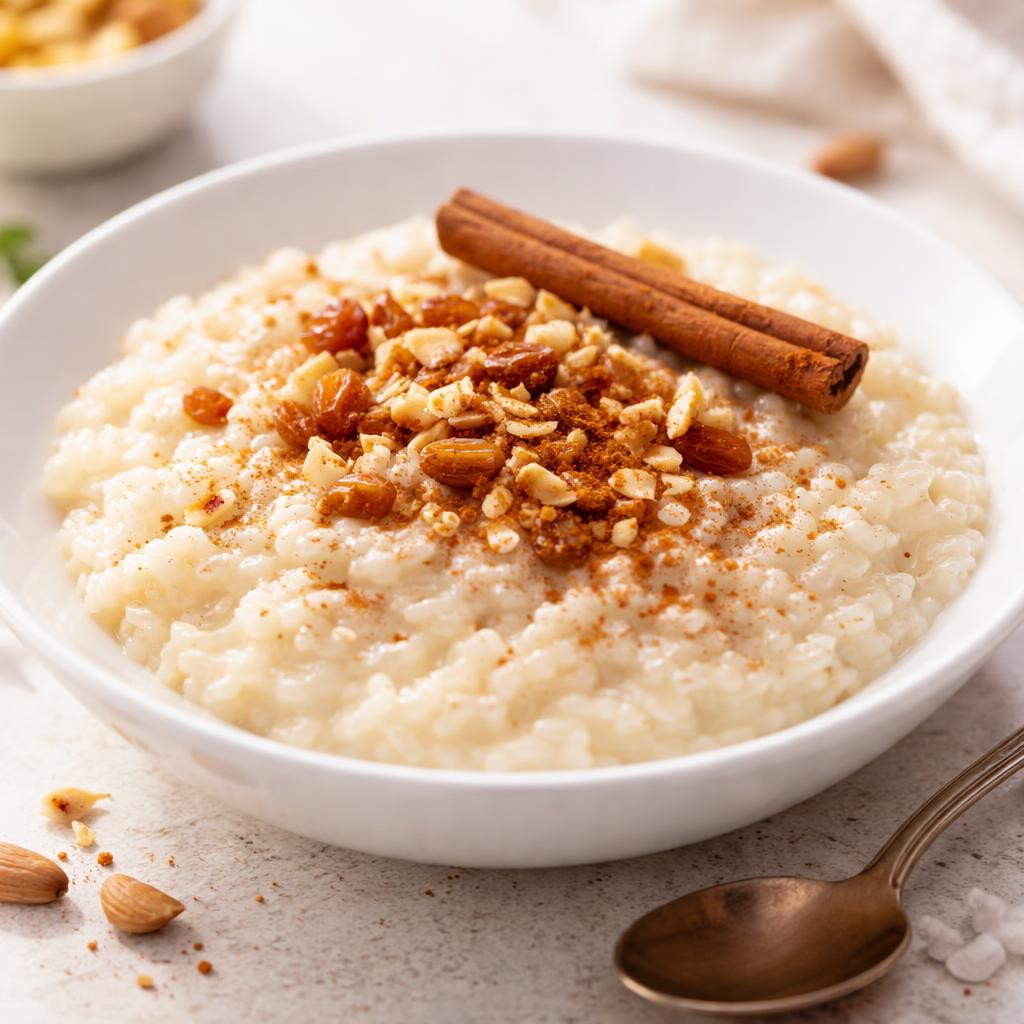
Rice Pudding
🎯 Quick Verdict
Quinoa and rice pudding differ significantly in nutritional composition. Quinoa is a complete protein and high-fiber grain, ideal for balanced diets, while rice pudding serves as a higher-calorie, lower-protein dessert with more sugar. Choose quinoa for health-focused meals and rice pudding for indulgent treats.

Smart Nutrition Tracking with SnapCalorie

📊 Nutritional Comparison
Macronutrients
| Nutrient | Food 1 | Food 2 | Winner |
|---|---|---|---|
| Calories | 120 | 270 | ✓ |
| Protein | 4g | 3g | ✓ |
| Carbs | 21g | 37g | ✓ |
| Fat | 2g | 3g | ✓ |
| Fiber | 2.5g | 0.5g | ✓ |
Vitamins & Minerals
| Nutrient | Food 1 | Food 2 | Winner |
|---|---|---|---|
| Vitamin D | 0mcg | 1mcg | ✓ |
| Calcium | 17mg | 100mg | ✓ |
| Iron | 1.3mg | 0.2mg | ✓ |
| Magnesium | 64mg | 5mg | ✓ |
🏆 Category Winners
Protein
Quinoa contains complete protein with 4g per serving, compared to 3g in rice pudding.
Fiber
Quinoa offers 2.5g of fiber compared to rice pudding's 0.5g.
Calories
Quinoa has less than half the calories (120 vs 270).
Vitamins
Vitamin content varies: quinoa excels in magnesium and iron, while rice pudding provides higher calcium and vitamin D.
🥗 Diet Compatibility
Keto
Food 1: Not Compatible
Food 2: Not Compatible
Both foods are high in carbs.
Vegan
Food 1: Compatible
Food 2: Not Compatible
Rice pudding often includes dairy, while quinoa is plant-based.
Gluten Free
Food 1: Compatible
Food 2: Depends
Quinoa is naturally gluten-free, but rice pudding may vary based on thickeners used.
Paleo
Food 1: Compatible
Food 2: Not Compatible
Quinoa is allowed on some paleo diets, but rice pudding is not due to dairy and sugar content.
Low Carb
Food 1: Not Compatible
Food 2: Not Compatible
Both foods are relatively high in carbohydrates.
💪 Health Benefits Comparison
Food 1 Benefits
- Complete protein source, ideal for muscle building
- High in fiber for improved digestion
- Rich in magnesium for bone and heart health
- Good source of iron for maintaining energy levels
Food 2 Benefits
- Provides quick energy due to high-carb content
- Contains calcium and vitamin D for bone health
- Comfort food for satisfying sweet cravings
✅ The Bottom Line
Quinoa is the healthier option overall due to its balanced macros, high protein, and fiber content, making it suitable for meals focused on nutrition. Rice pudding is best enjoyed as an occasional dessert or energy booster in moderation, especially for those craving a sweet treat.
Choose Food 1 for: Balanced meals, post-workout recovery, high-protein diets, fiber intake
Choose Food 2 for: Dessert, quick energy, satisfying sweet cravings


