Quinoa VS Rice Pilaf
A detailed nutritional comparison
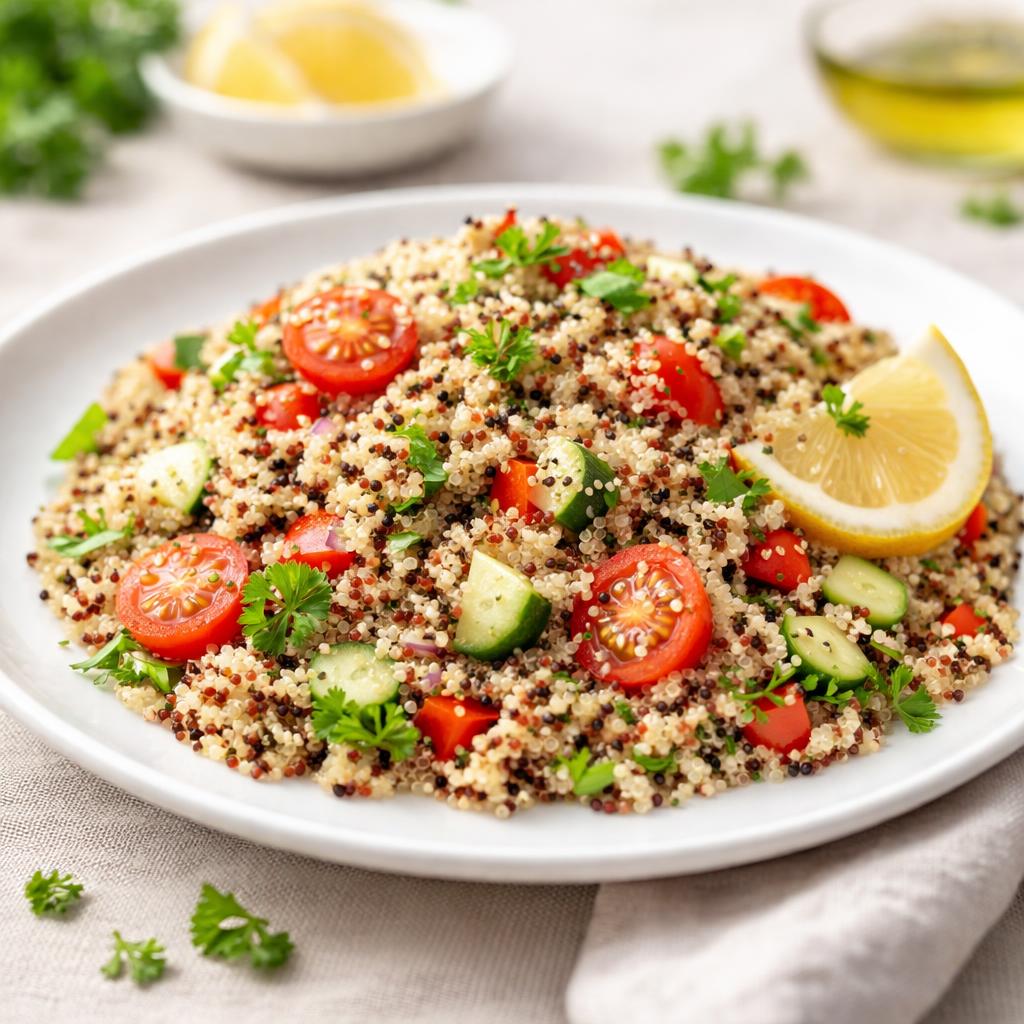
Quinoa
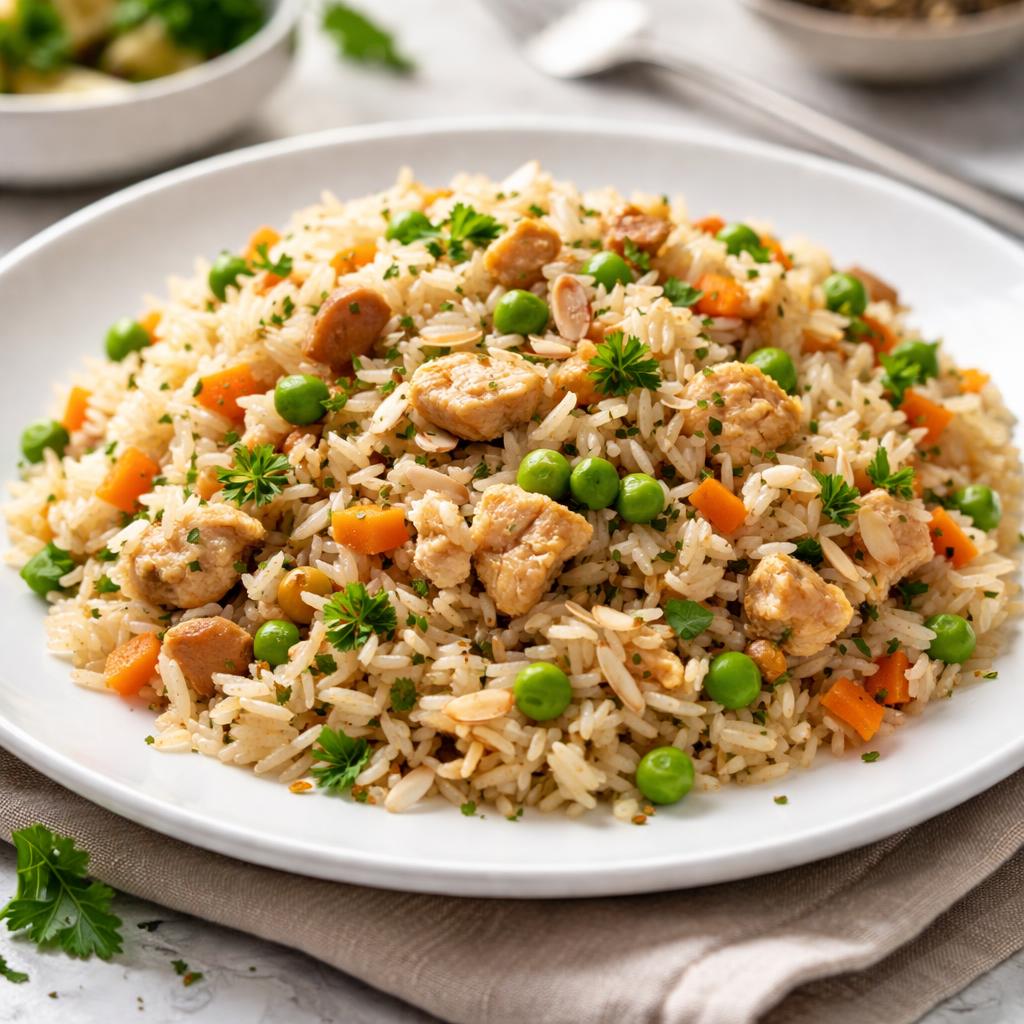
Rice Pilaf
🎯 Quick Verdict
Quinoa outperforms rice pilaf in several key nutritional categories, including protein, fiber, and calorie content. Quinoa provides a complete protein source and more essential nutrients, making it a better choice for weight management and muscle growth. Rice pilaf can still be a tasty, energy-rich option for meals needing higher carbs and flavor variety.

Smart Nutrition Tracking with SnapCalorie

📊 Nutritional Comparison
Macronutrients
| Nutrient | Food 1 | Food 2 | Winner |
|---|---|---|---|
| Calories | 120 | 200 | ✓ |
| Protein | 4g | 3g | ✓ |
| Carbs | 21g | 35g | ✓ |
| Fat | 2g | 6g | ✓ |
| Fiber | 2g | 1g | ✓ |
Vitamins & Minerals
| Nutrient | Food 1 | Food 2 | Winner |
|---|---|---|---|
| Vitamin B1 | 0.1mg | 0.03mg | ✓ |
| Magnesium | 60mg | 15mg | ✓ |
| Iron | 1.3mg | 0.7mg | ✓ |
🏆 Category Winners
Protein
Quinoa has 33% more protein per serving, and it provides complete protein.
Fiber
Quinoa supplies twice as much fiber as rice pilaf.
Calories
Quinoa has 40% fewer calories per serving compared to rice pilaf.
Vitamins
Quinoa delivers higher amounts of essential minerals like magnesium and iron.
🥗 Diet Compatibility
Keto
Food 1: Not Compatible
Food 2: Not Compatible
Both are moderately high-carb.
Vegan
Food 1: Compatible
Food 2: Compatible
Both are plant-based.
Gluten Free
Food 1: Compatible
Food 2: Check Ingredients
Quinoa is naturally gluten-free, but rice pilaf may contain gluten depending on seasonings or additives.
Paleo
Food 1: Compatible
Food 2: Not Compatible
Quinoa is generally accepted in strict paleo diets, while rice pilaf is not.
Low-Carb
Food 1: Not Ideal
Food 2: Not Ideal
Both have moderately high carbohydrate content.
💪 Health Benefits Comparison
Food 1 Benefits
- Contains complete protein for muscle repair and growth
- High in fiber for digestive health and fullness
- Rich in magnesium that supports nerve function and bone health
- Provides antioxidants that fight inflammation
Food 2 Benefits
- Offers quick energy from easily digestible carbohydrates
- Good taste and customizable flavor options
- Provides some healthy fats for heart health
- Can be fortified with added minerals and seasonings
✅ The Bottom Line
Choose quinoa for its nutrient density, complete protein, and lower calorie content, making it ideal for weight loss, muscle health, and balanced meals. Rice pilaf is better suited for those seeking a higher carbohydrate option with a flavorful base for hearty dinners.
Choose Food 1 for: Weight management, muscle growth due to complete protein, balanced nutrition
Choose Food 2 for: Short-term energy needs, flavorful side dishes, family meals


