Quinoa VS Rice And Peas
A detailed nutritional comparison
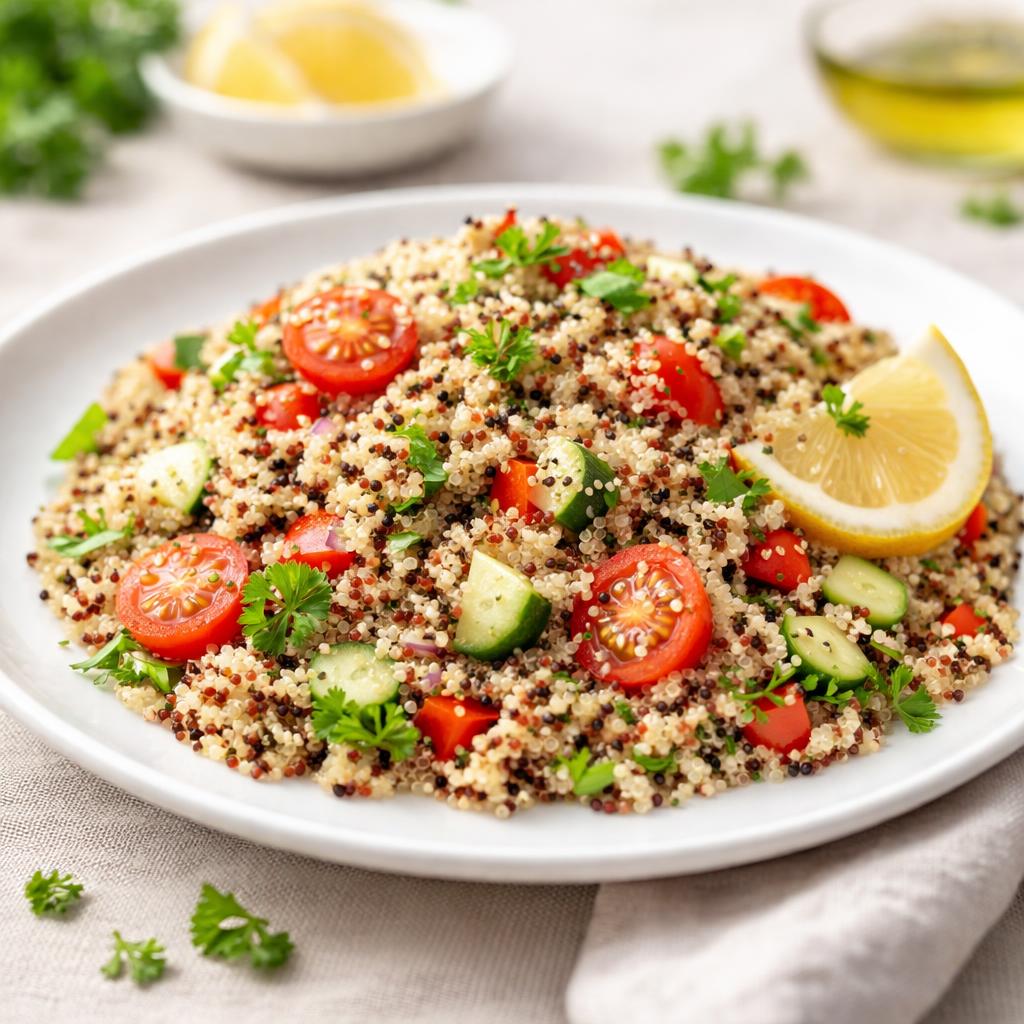
Quinoa
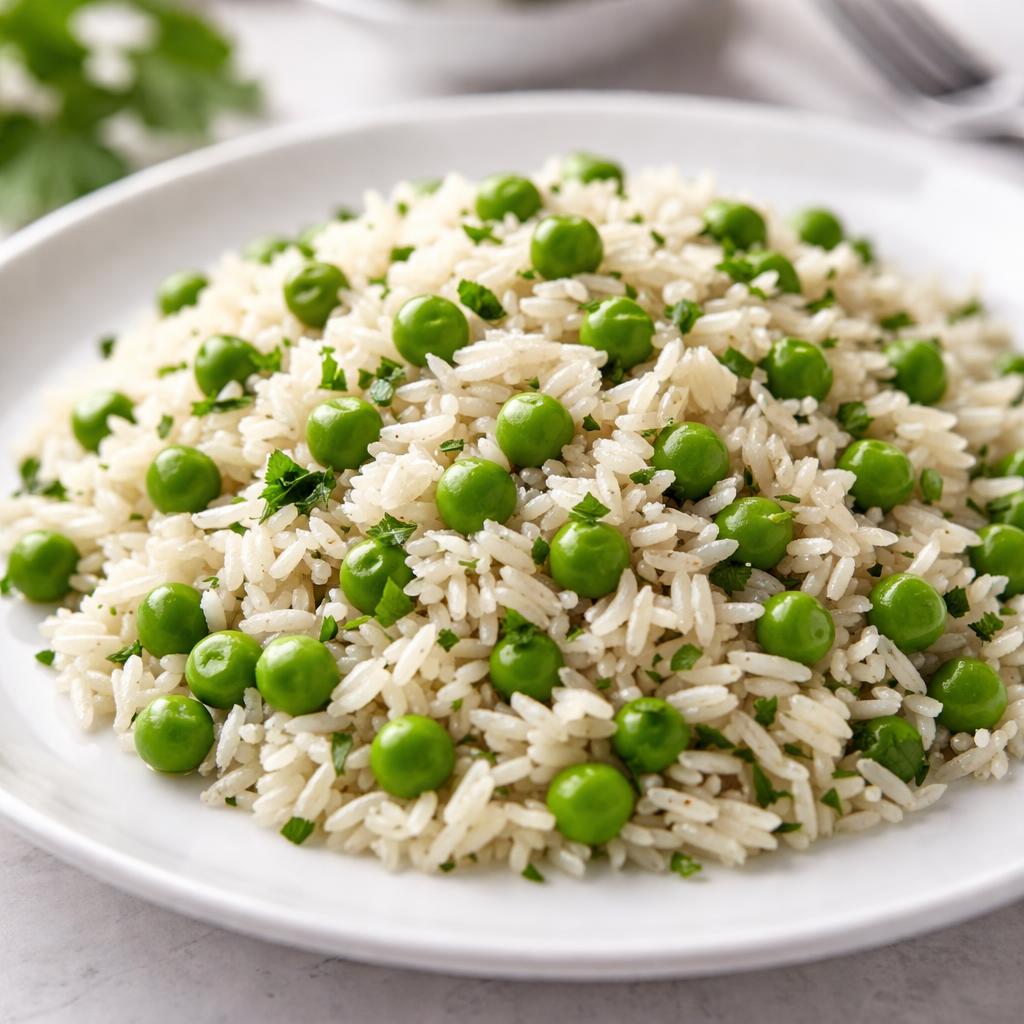
Rice And Peas
🎯 Quick Verdict
Quinoa is a highly nutritious grain that offers more protein (8g per cup), fiber (5g per cup), and key vitamins compared to rice and peas. Rice and peas have fewer calories (206 per cup vs quinoa's 222) and provide a balanced energy source with healthy carbs and some plant-based protein and fiber. Quinoa is best for nutrient-dense diets, while rice and peas are ideal for calorie-conscious, energy-focused meals.

Smart Nutrition Tracking with SnapCalorie

📊 Nutritional Comparison
Macronutrients
| Nutrient | Food 1 | Food 2 | Winner |
|---|---|---|---|
| Calories | 222 per cup | 206 per cup | ✓ |
| Protein | 8g per cup | 6g per cup | ✓ |
| Carbs | 39g per cup | 36g per cup | ✓ |
| Fat | 3.55g per cup | 4g per cup | ✓ |
| Fiber | 5g per cup | 3.5g per cup | ✓ |
Vitamins & Minerals
| Nutrient | Food 1 | Food 2 | Winner |
|---|---|---|---|
| Vitamin B1 (Thiamine) | 0.2mg per cup | 0.1mg per cup | ✓ |
| Magnesium | 118mg per cup | 93mg per cup | ✓ |
| Iron | 2.8mg per cup | 1.5mg per cup | ✓ |
| Potassium | 281mg per cup | 210mg per cup | ✓ |
🏆 Category Winners
Protein
Quinoa contains 33% more protein per cup compared to rice and peas.
Fiber
Quinoa has 42% more fiber per cup, making it better for digestion.
Calories
Rice and peas have 7% fewer calories per cup, making it lower-calorie overall.
Vitamins
Quinoa is richer in magnesium, iron, and potassium compared to rice and peas.
🥗 Diet Compatibility
Keto
Food 1: Not Compatible
Food 2: Not Compatible
Both are high in carbs and not keto-friendly.
Vegan
Food 1: Compatible
Food 2: Compatible
Both are entirely plant-based foods.
Gluten Free
Food 1: Compatible
Food 2: Compatible
Neither contains gluten.
Paleo
Food 1: Compatible
Food 2: Not Compatible
Quinoa is a pseudo-grain acceptable in most paleo diets, but rice and peas are typically excluded due to grains in rice.
Low-Carb
Food 1: Not Compatible
Food 2: Not Compatible
Both contain over 30g of carbs per serving and are not suitable for low-carb diets.
💪 Health Benefits Comparison
Food 1 Benefits
- Complete protein source with all essential amino acids
- High in fiber for gut health and digestion
- Rich in magnesium and iron for energy production and muscle function
- Low glycemic index for better blood sugar control
Food 2 Benefits
- Balanced source of energy with healthy carbs
- Contains plant-based fiber and protein for satiety
- Provides potassium for heart health
- Easy to digest and versatile in low-fat meals
✅ The Bottom Line
Choose quinoa for a nutrient-dense, protein-rich, high-fiber option that supports energy production and digestion. Opt for rice and peas when looking for a lighter, calorically lower dish that provides sustained energy with moderate fiber and protein.
Choose Food 1 for: Athletes, weight management, digestion support, nutrient-rich meals
Choose Food 2 for: Low-calorie diets, light meals, energy-focused balanced diets


