Quinoa VS Rice And Beans
A detailed nutritional comparison
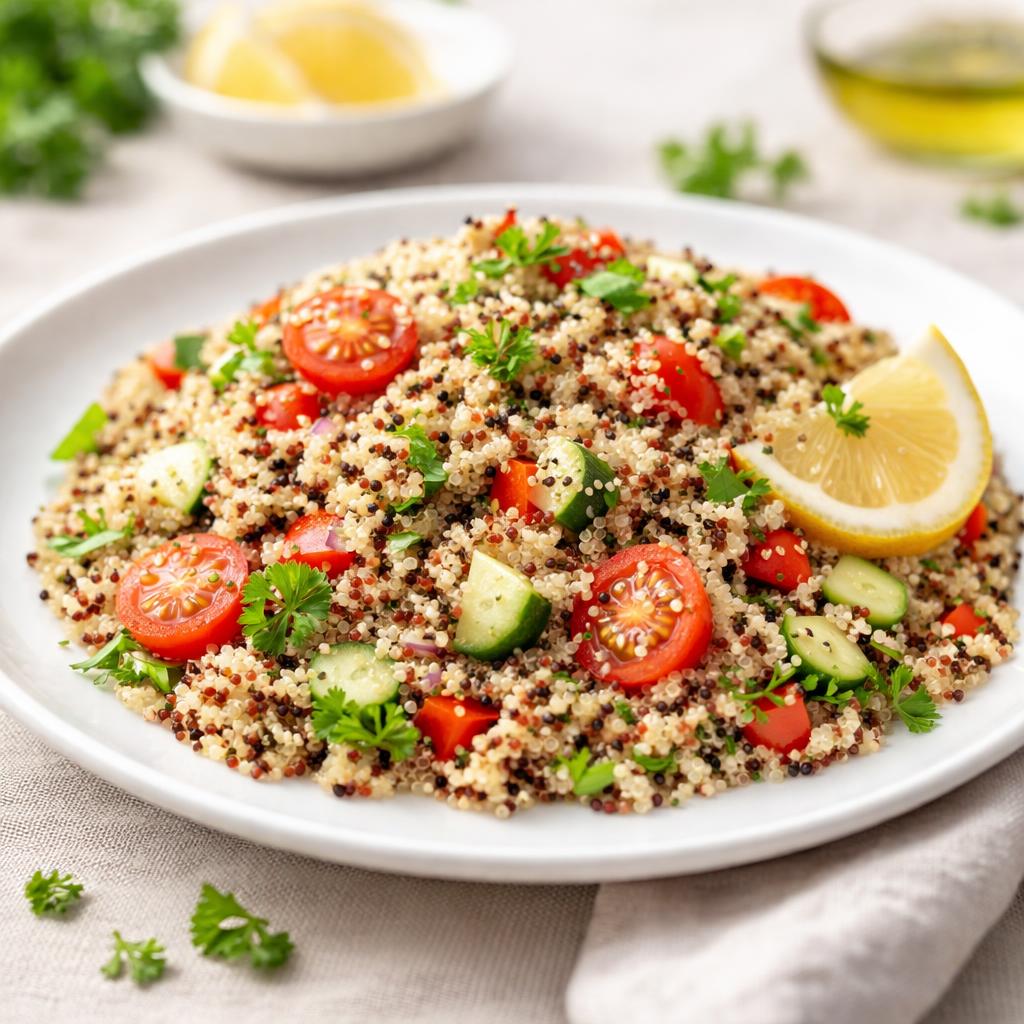
Quinoa
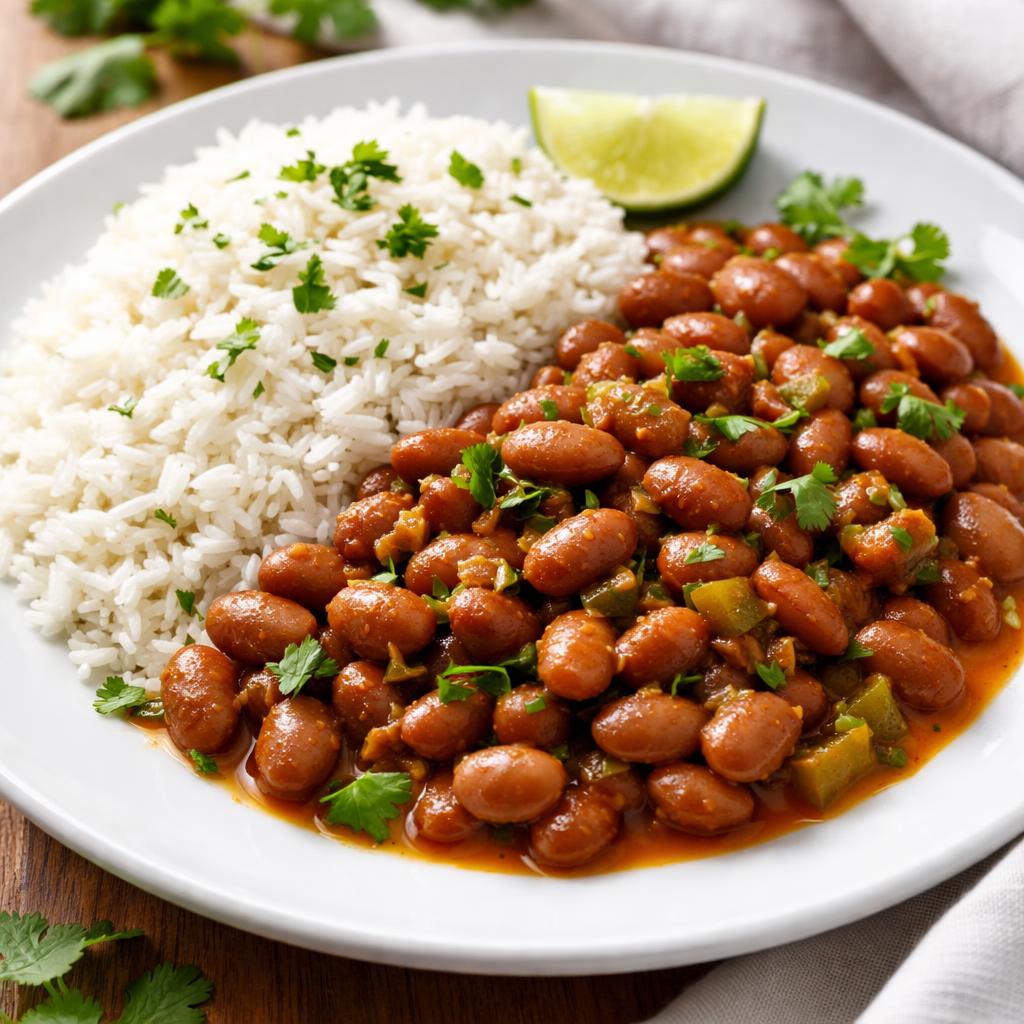
Rice And Beans
🎯 Quick Verdict
Quinoa stands out for its higher protein content and more micronutrients like iron and magnesium, making it ideal for protein-focused diets or athletes. On the other hand, rice and beans provide more dietary fiber and sustained energy due to their higher carb and fiber content, making them suitable for heart health and digestion. Both options are nutrient-rich for plant-based meals.

Smart Nutrition Tracking with SnapCalorie

📊 Nutritional Comparison
Macronutrients
| Nutrient | Food 1 | Food 2 | Winner |
|---|---|---|---|
| Calories | 222 (per cup, cooked) | 220 (per cup, cooked) | − |
| Protein | 8g | 7g | − |
| Carbs | 39g | 44g | − |
| Fat | 3.5g | 1.5g | − |
| Fiber | 2.8g | 7g | − |
Vitamins & Minerals
| Nutrient | Food 1 | Food 2 | Winner |
|---|---|---|---|
| Vitamin D | 0mcg | 0mcg | − |
| Calcium | 31mg | 40mg | − |
| Iron | 2.8mg | 2.1mg | − |
| Magnesium | 118mg | 49mg | − |
🏆 Category Winners
Protein
Quinoa contains 14% more protein per cup.
Fiber
Rice and beans provide nearly three times more fiber per serving.
Calories
Both foods have nearly identical calorie content per cup.
Vitamins
Quinoa has higher iron and magnesium levels, supporting energy and muscle function.
🥗 Diet Compatibility
Keto
Food 1: Not Compatible
Food 2: Not Compatible
Both are high-carb foods and exceed keto-friendly carb limits.
Vegan
Food 1: Compatible
Food 2: Compatible
Both are plant-based and suitable for vegan diets.
Gluten Free
Food 1: Compatible
Food 2: Compatible
Neither food contains gluten.
Paleo
Food 1: Compatible
Food 2: Not Compatible
Quinoa fits paleo guidelines, but rice and beans are excluded due to legumes and processed grains.
Low-Carb
Food 1: Not Compatible
Food 2: Not Compatible
Both contain over 39g of carbs per serving.
💪 Health Benefits Comparison
Food 1 Benefits
- Complete protein source with all essential amino acids
- Rich in magnesium, supporting muscle and nerve function
- High in iron, important for red blood cell production
- Gluten-free and easy to digest
Food 2 Benefits
- Good source of dietary fiber, supporting digestion
- Rich in complex carbs for sustained energy
- Provides calcium for strong bones
- Supports heart health with moderate protein and fiber
✅ The Bottom Line
Quinoa is ideal for individuals seeking a high-protein, nutrient-dense option for muscle maintenance or endurance activities. Rice and beans serve as a fiber-rich, energy-sustaining alternative great for heart health and digestion. Both are excellent choices for plant-based meals depending on dietary goals.
Choose Food 1 for: Athletes, weight management, protein-focused diets, gluten-free meals
Choose Food 2 for: Heart health, sustained energy, high-fiber diets


