Quinoa VS Purple Rice
A detailed nutritional comparison
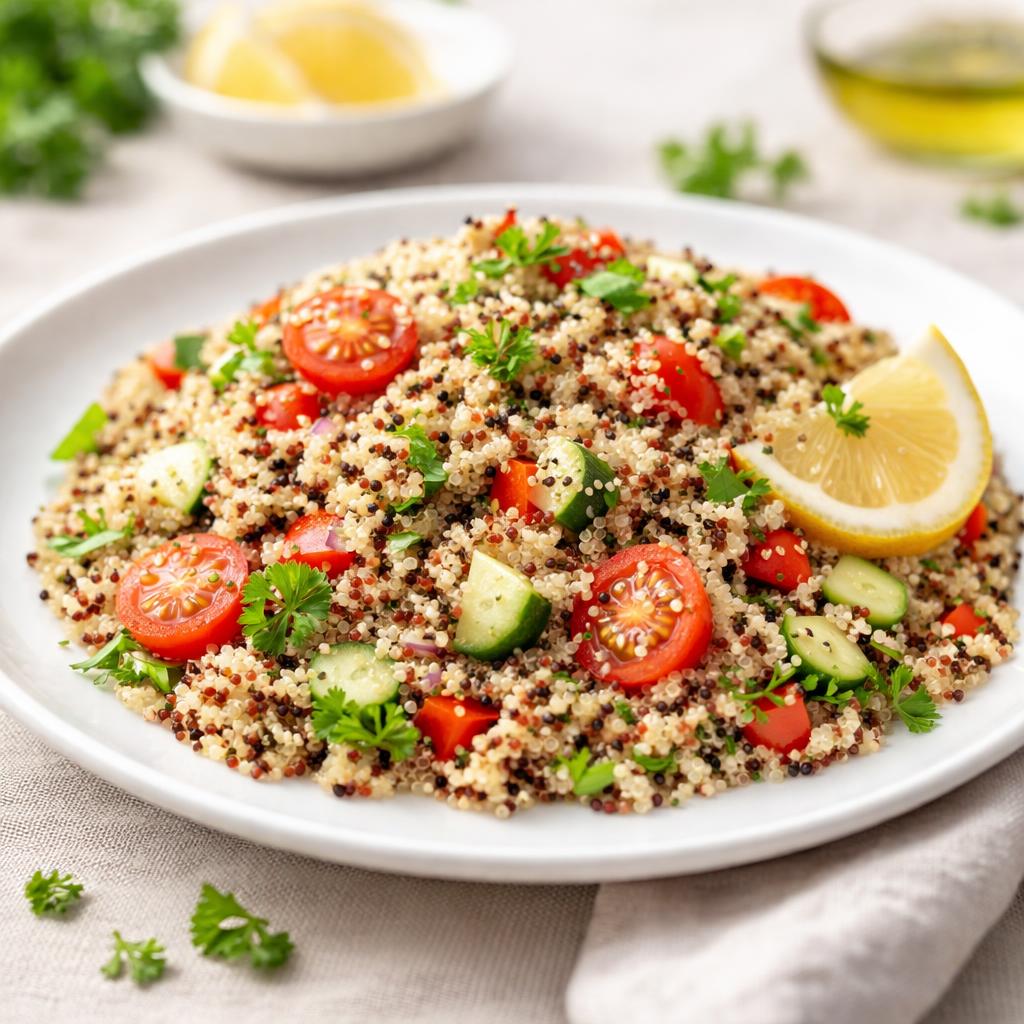
Quinoa
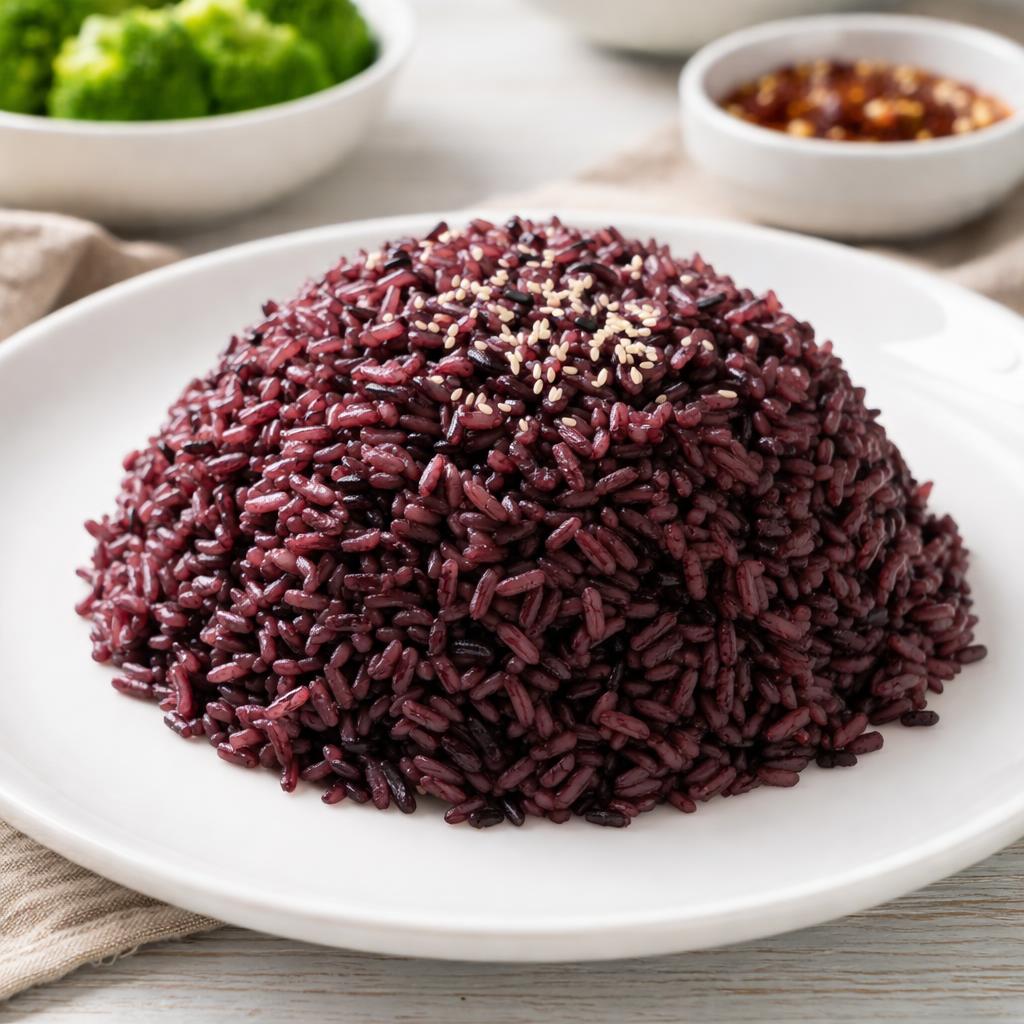
Purple Rice
🎯 Quick Verdict
Quinoa and purple rice are both nutrient-dense grains, but quinoa comes out ahead in terms of protein (4g vs. 3g per serving), fiber (2.8g vs. 1g), and calorie control (120 vs. 140 calories per cup, cooked). Purple rice shines with a slightly higher antioxidant profile, thanks to anthocyanins. Quinoa is ideal for high-protein meals and balanced diets, while purple rice offers a pop of vibrant nutrients and flavor for those seeking variety in their grain intake.

Smart Nutrition Tracking with SnapCalorie

📊 Nutritional Comparison
Macronutrients
| Nutrient | Food 1 | Food 2 | Winner |
|---|---|---|---|
| Calories | 120 | 140 | ✓ |
| Protein | 4g | 3g | ✓ |
| Carbs | 21.3g | 31g | ✓ |
| Fat | 1.9g | 1g | ✓ |
| Fiber | 2.8g | 1g | ✓ |
Vitamins & Minerals
| Nutrient | Food 1 | Food 2 | Winner |
|---|---|---|---|
| Vitamin B6 | 0.1mg | 0.06mg | ✓ |
| Magnesium | 64mg | 57mg | ✓ |
| Iron | 1.4mg | 0.6mg | ✓ |
| Vitamin E | 0.6mg | 0.3mg | ✓ |
🏆 Category Winners
Protein
Quinoa has 33% more protein per serving.
Fiber
Quinoa provides nearly 3x more fiber than purple rice.
Calories
Quinoa contains 14% fewer calories per serving.
Vitamins
Quinoa is richer in magnesium, iron, and Vitamin E.
🥗 Diet Compatibility
Keto
Food 1: Not Compatible
Food 2: Not Compatible
Both are high-carb grains, not suitable for keto diets.
Vegan
Food 1: Compatible
Food 2: Compatible
Both foods are plant-based and vegan-friendly.
Gluten Free
Food 1: Compatible
Food 2: Compatible
Neither contains gluten.
Paleo
Food 1: Not Compatible
Food 2: Not Compatible
Grains are not permitted on strict paleo diets.
Low Carb
Food 1: Not Compatible
Food 2: Not Compatible
Both are moderate to high in carbohydrates and unsuitable for low-carb diets.
💪 Health Benefits Comparison
Food 1 Benefits
- High in protein for muscle health and cell repair
- Provides magnesium for bone and energy metabolism
- Contains fiber for digestive health and satiety
- Rich in iron to support oxygen transport and energy production
Food 2 Benefits
- Rich in antioxidants, including anthocyanins, for reducing inflammation
- Provides healthy carbohydrates for sustained energy
- Contains trace minerals, including phosphorus and potassium
- Low in fat, ideal for heart-friendly diets
✅ The Bottom Line
Quinoa is the better choice overall for more protein, fiber, and calorie control, making it ideal for weight management, high-protein diets, or post-workout meals. Purple rice is a good option if you're looking for antioxidant-rich grains to add variety and color to your diet. Pair quinoa with vegetables and beans for a balanced meal or use purple rice as a base for Asian-inspired dishes.
Choose Food 1 for: Weight loss, high-protein meals, post-workout recovery
Choose Food 2 for: Antioxidant-rich diets, variety in grains, heart health


