Quinoa VS Porridge Oats
A detailed nutritional comparison
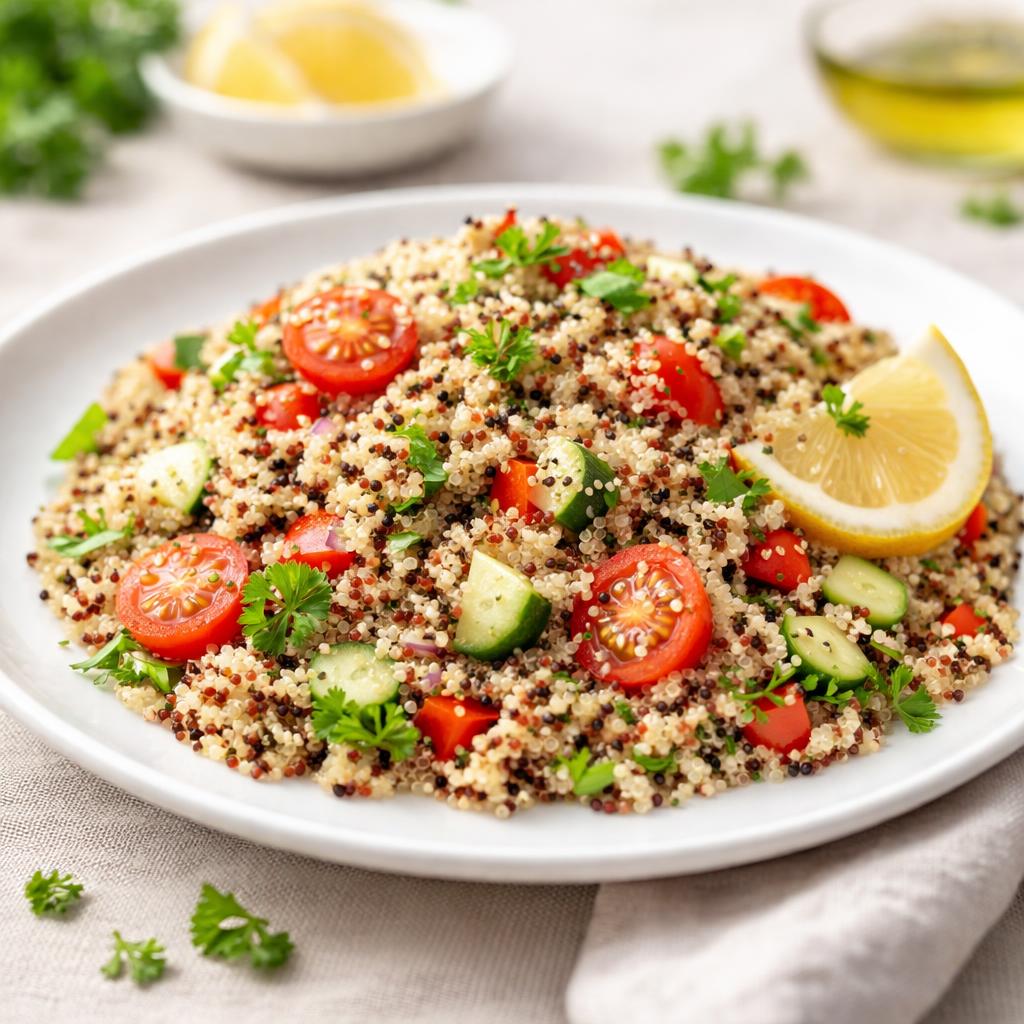
Quinoa
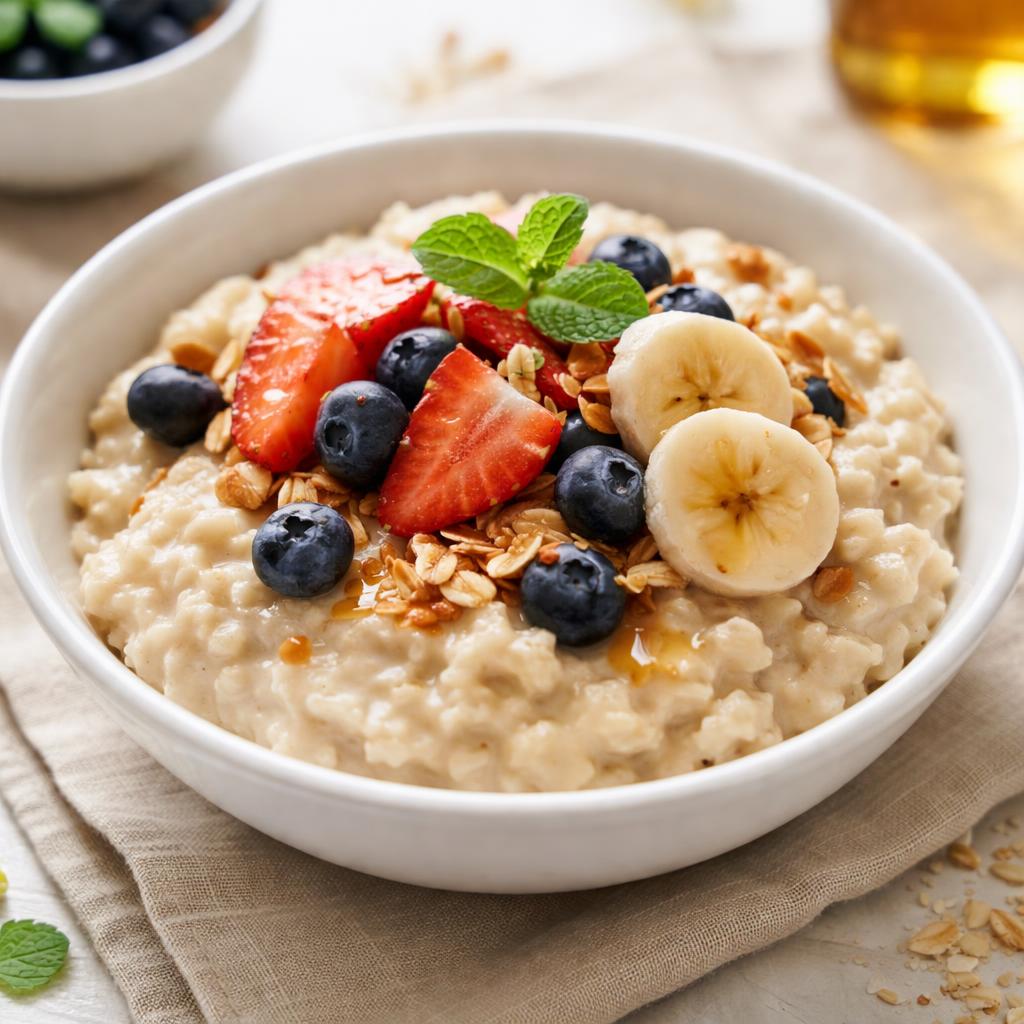
Porridge Oats
🎯 Quick Verdict
Quinoa and porridge oats are both nutrient-dense, versatile foods with distinct advantages. Quinoa is higher in protein (4.1g vs 2.5g per 100g cooked), making it ideal for muscle maintenance or post-workout meals. Porridge oats excel in fiber content (1.7g vs 1.3g per 100g cooked), which supports digestion and satiety. Both are excellent options for plant-based diets but serve different dietary goals depending on calorie needs and nutrient priorities.

Smart Nutrition Tracking with SnapCalorie

📊 Nutritional Comparison
Macronutrients
| Nutrient | Food 1 | Food 2 | Winner |
|---|---|---|---|
| Calories | 120 | 120 | − |
| Protein | 4.1g | 2.5g | ✓ |
| Carbs | 21.3g | 21g | − |
| Fat | 1.9g | 2g | − |
| Fiber | 1.3g | 1.7g | ✓ |
Vitamins & Minerals
| Nutrient | Food 1 | Food 2 | Winner |
|---|---|---|---|
| Vitamin B1 (Thiamine) | 0.1mg | 0.3mg | ✓ |
| Magnesium | 64mg | 37mg | ✓ |
| Iron | 1.5mg | 0.6mg | ✓ |
| Zinc | 1.1mg | 0.9mg | ✓ |
🏆 Category Winners
Protein
Quinoa has 64% more protein than porridge oats per 100g cooked.
Fiber
Porridge oats contain 31% more fiber, supporting digestion.
Calories
Both foods contain roughly the same calorie count per 100g cooked.
Vitamins
Quinoa provides higher levels of magnesium, iron, and zinc, contributing to better metabolic and immune health.
🥗 Diet Compatibility
Keto
Food 1: Not Compatible
Food 2: Not Compatible
Both foods are high in carbohydrates.
Vegan
Food 1: Compatible
Food 2: Compatible
Both are plant-based foods suitable for vegan diets.
Gluten Free
Food 1: Compatible
Food 2: Not Compatible
Quinoa is naturally gluten-free, but porridge oats may contain traces of gluten unless certified gluten-free.
Paleo
Food 1: Compatible
Food 2: Not Compatible
Quinoa is acceptable in some paleo variations; oats are generally avoided.
Low-Carb
Food 1: Not Compatible
Food 2: Not Compatible
Both foods are carbohydrate-rich and not suitable for low-carb diets.
💪 Health Benefits Comparison
Food 1 Benefits
- High in complete protein, containing all nine essential amino acids.
- Rich in magnesium, supporting muscle and nerve function.
- Good source of iron for improved energy levels and oxygen transport.
- Naturally gluten-free, suitable for people with gluten intolerances.
Food 2 Benefits
- Excellent fiber source for improved digestion and satiety.
- Provides sustained energy due to its low glycemic index.
- Contains beta-glucan, which supports heart health and cholesterol management.
- Rich in thiamine (Vitamin B1), aiding carbohydrate metabolism and brain health.
✅ The Bottom Line
Choose quinoa if you're looking for a protein-rich, gluten-free food that supports muscle maintenance and provides key minerals like magnesium and iron. Opt for porridge oats if you prioritize heart health, digestion, or steady energy throughout the day. Both are versatile and nutrient-dense, suitable for various dietary patterns depending on your goals.
Choose Food 1 for: Post-workout meals, gluten-free diets, mineral-rich dishes
Choose Food 2 for: Heart health, digestive support, energy-sustaining breakfast options


