Quinoa VS Plain Rice
A detailed nutritional comparison
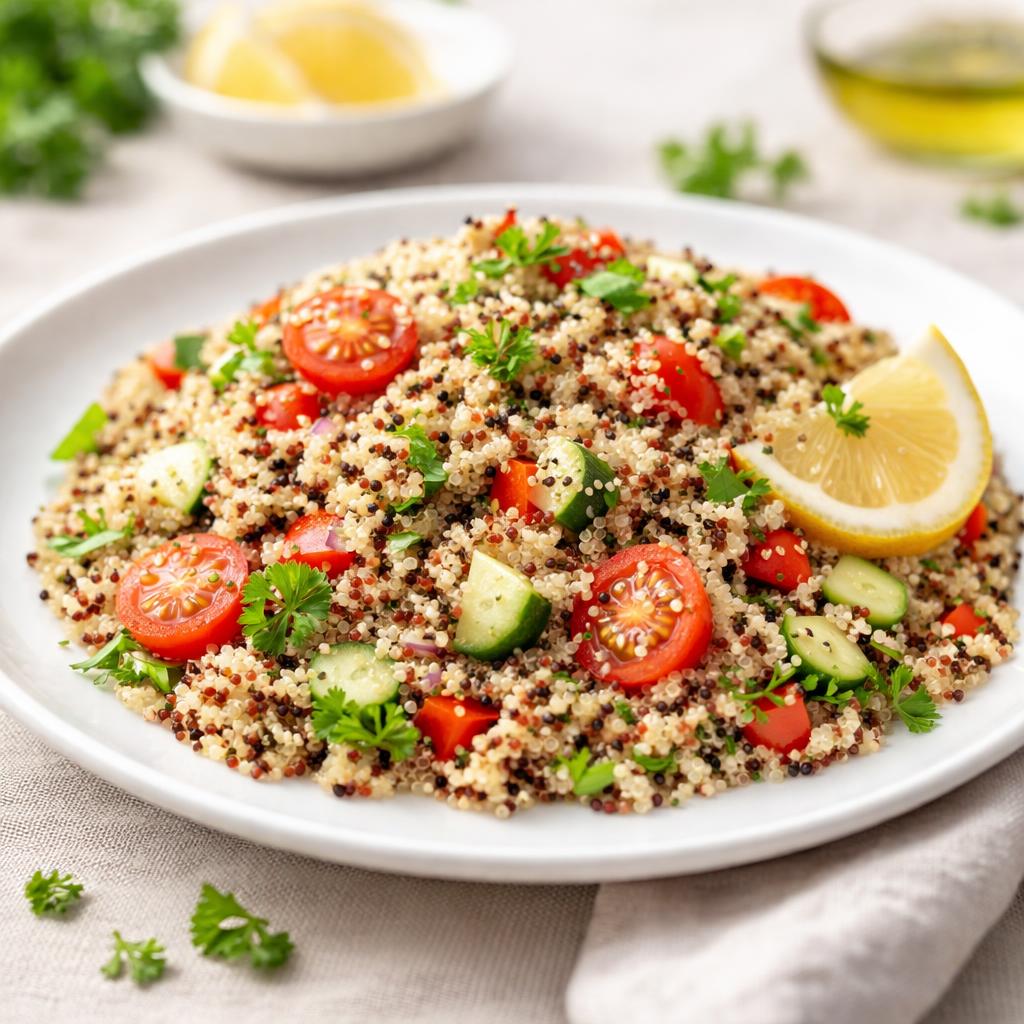
Quinoa
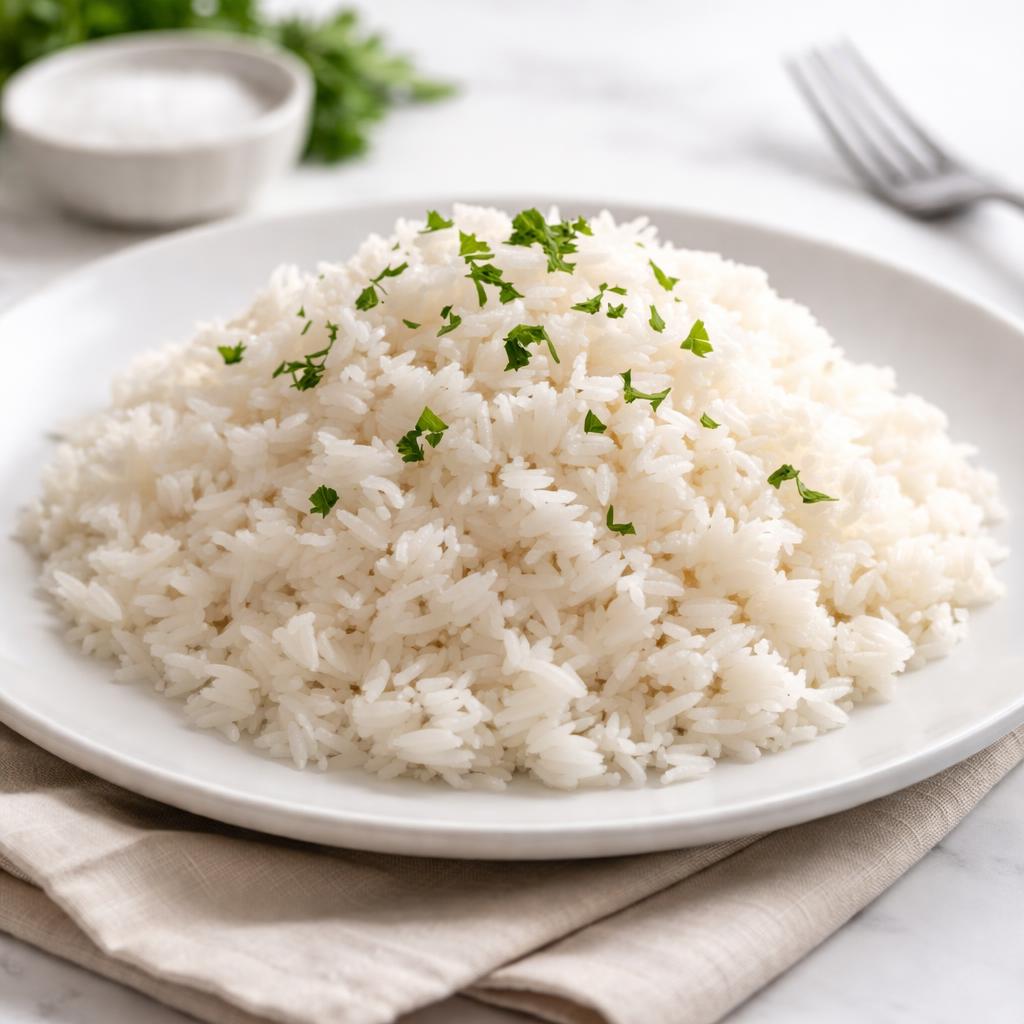
Plain Rice
🎯 Quick Verdict
Quinoa is nutritionally superior to plain rice in terms of protein (4.1g vs 2.7g per 100g cooked) and dietary fiber (2.8g vs 0.4g per 100g cooked), making it more filling and suitable for muscle growth and digestion support. Rice, however, is lower in calories (130 vs 120 per 100g cooked), which may make it better for calorie-sensitive diets. Quinoa is highly versatile and offers more micronutrients like magnesium and potassium compared to rice, appealing to health-conscious eaters.

Smart Nutrition Tracking with SnapCalorie

📊 Nutritional Comparison
Macronutrients
| Nutrient | Food 1 | Food 2 | Winner |
|---|---|---|---|
| Calories | 120 (per 100g cooked) | 130 (per 100g cooked) | ✓ |
| Protein | 4.1g | 2.7g | ✓ |
| Carbs | 21.3g | 28g | ✓ |
| Fat | 1.9g | 0.3g | ✓ |
| Fiber | 2.8g | 0.4g | ✓ |
Vitamins & Minerals
| Nutrient | Food 1 | Food 2 | Winner |
|---|---|---|---|
| Magnesium | 64mg (per 100g cooked) | 8mg (per 100g cooked) | ✓ |
| Potassium | 172mg | 35mg | ✓ |
| Iron | 1.5mg | 0.2mg | ✓ |
🏆 Category Winners
Protein
Quinoa has more than 50% higher protein content than rice per 100g serving, making it better for muscle growth.
Fiber
Quinoa provides significantly more dietary fiber than rice, aiding digestion and satiety.
Calories
Rice has slightly fewer calories per cooked serving, making it better for weight-loss diets focused solely on caloric intake.
Vitamins
Quinoa is richer in magnesium, potassium, and iron than rice, contributing to better energy metabolism and overall health.
🥗 Diet Compatibility
Keto
Food 1: Not Compatible
Food 2: Not Compatible
Both are high-carb foods and not suitable for ketogenic diets.
Vegan
Food 1: Compatible
Food 2: Compatible
Both quinoa and rice are plant-based and appropriate for vegans.
Gluten Free
Food 1: Compatible
Food 2: Compatible
Neither food contains gluten, making both safe for gluten-free diets.
Paleo
Food 1: Compatible
Food 2: Compatible
Both are accepted in paleo diets as whole, minimally processed foods.
Low-Carb
Food 1: Not Compatible
Food 2: Not Compatible
Both foods are high-carb, making them unsuitable for low-carb diets.
💪 Health Benefits Comparison
Food 1 Benefits
- High protein content supports muscle growth and repair.
- Contains dietary fiber for improved digestion and satiety.
- Rich in magnesium for bone health and energy production.
- Provides antioxidants that may reduce inflammation.
Food 2 Benefits
- Low-fat content makes it suitable for low-fat diets.
- Easy to digest and gentle on the stomach.
- Serves as a quick energy source due to higher carbohydrate content.
- Affordable and widely accessible, great for budget-friendly meal planning.
✅ The Bottom Line
Quinoa is overall nutritionally superior to plain rice, offering more protein, fiber, and essential vitamins and minerals. It is ideal for those looking to boost satiety, muscle growth, and overall health. Rice, on the other hand, is lower in fat and calories and serves as a fast energy source, making it a better option for those in need of simple carbs like athletes or calorie-focused dieters.
Choose Food 1 for: Health-conscious eating, muscle gain, digestion support, nutrient density
Choose Food 2 for: Budget-friendly meals, calorie-controlled diets, quick energy intake


