Quinoa VS Mixed Rice
A detailed nutritional comparison
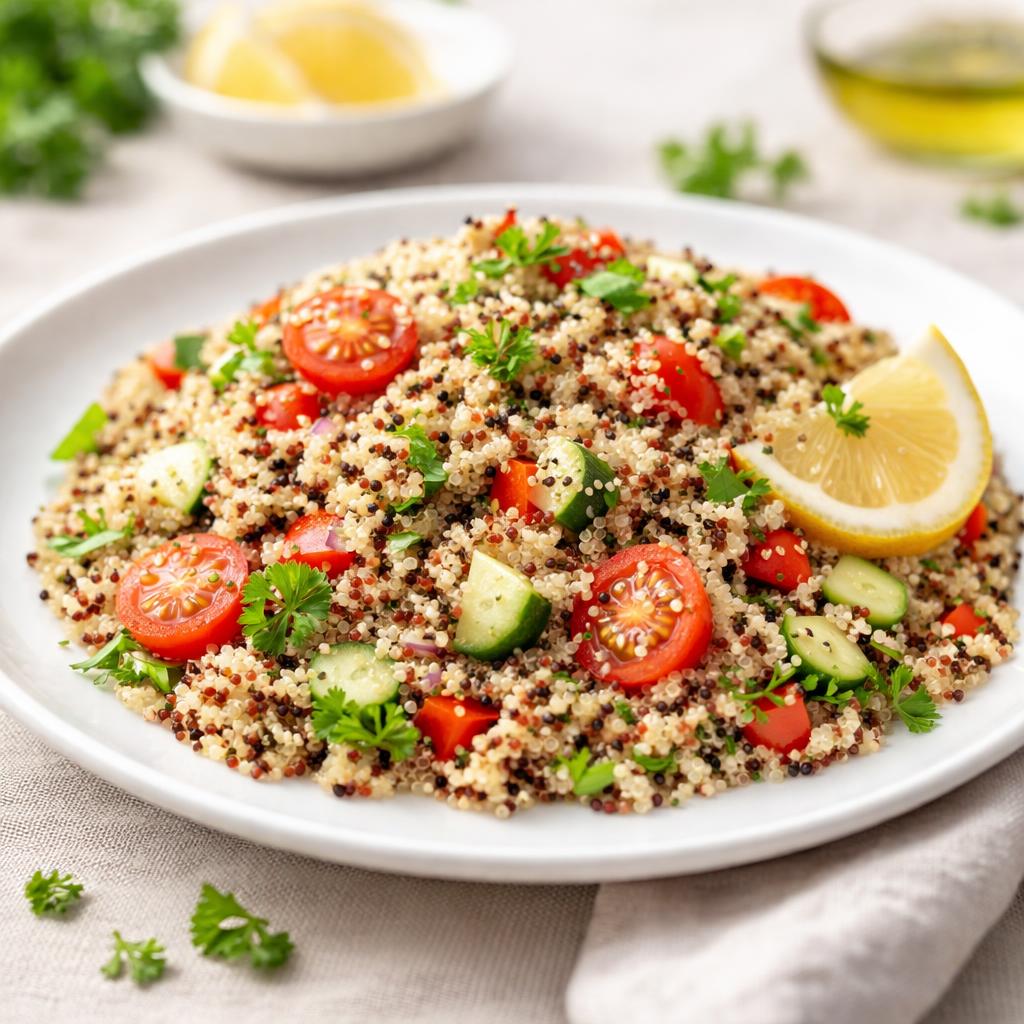
Quinoa
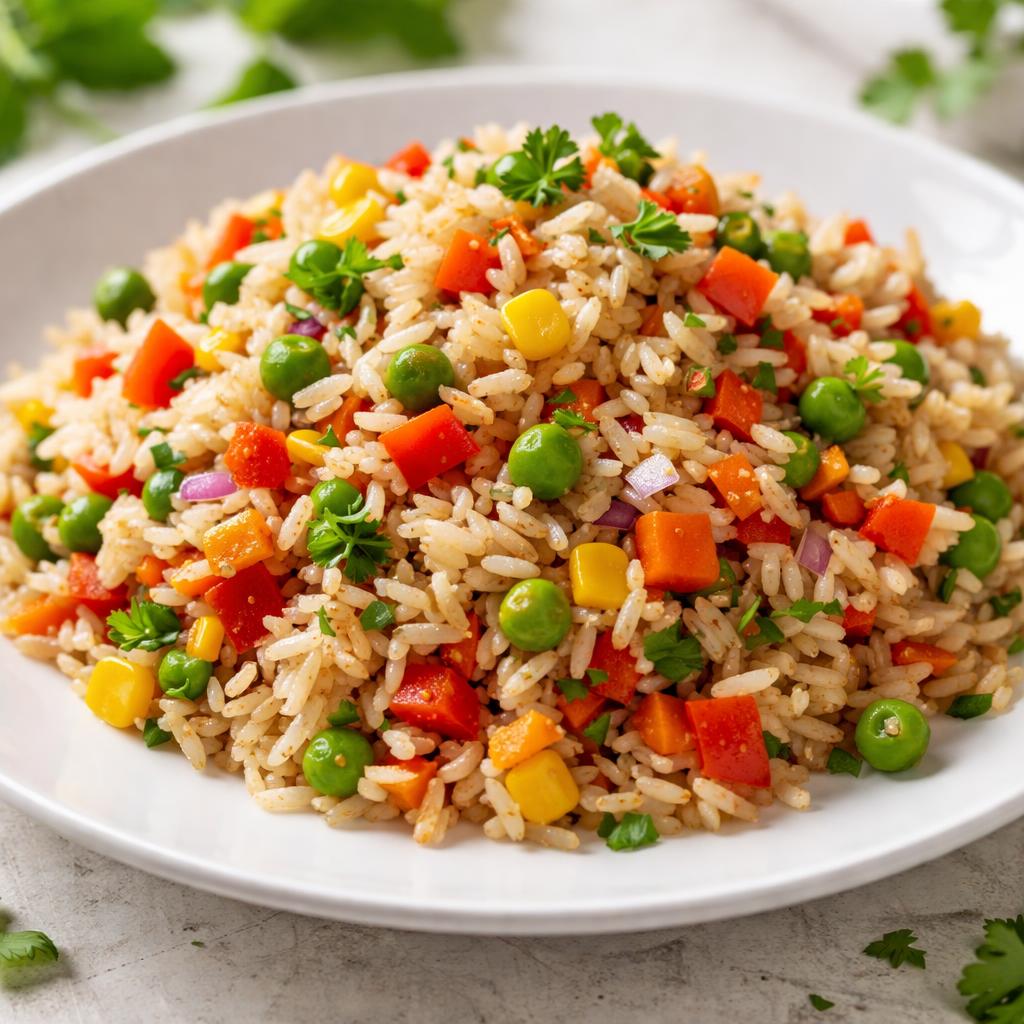
Mixed Rice
🎯 Quick Verdict
Quinoa and mixed rice both offer valuable nutrients but differ in their proportions. Quinoa boasts higher protein and fiber content, making it ideal for muscle maintenance and digestion, while mixed rice provides sustained energy with slightly higher carbs and flavor variety. Both are versatile staples useful in various diets.

Smart Nutrition Tracking with SnapCalorie

📊 Nutritional Comparison
Macronutrients
| Nutrient | Food 1 | Food 2 | Winner |
|---|---|---|---|
| Calories | 120 | 160 | ✓ |
| Protein | 4.1g | 3g | ✓ |
| Carbs | 21.3g | 34g | ✓ |
| Fat | 2g | 1g | ✓ |
| Fiber | 2.8g | 1.2g | ✓ |
Vitamins & Minerals
| Nutrient | Food 1 | Food 2 | Winner |
|---|---|---|---|
| Vitamin B1 (Thiamine) | 0.1mg | 0.05mg | ✓ |
| Magnesium | 64mg | 35mg | ✓ |
| Iron | 1.49mg | 0.9mg | ✓ |
| Potassium | 172mg | 70mg | ✓ |
🏆 Category Winners
Protein
Quinoa has 36% more protein per serving than mixed rice.
Fiber
Quinoa provides over twice the fiber of mixed rice, aiding digestion.
Calories
Quinoa is 25% lower in calories compared to mixed rice.
Vitamins
Quinoa is richer in iron, magnesium, and potassium essential for energy and metabolic health.
🥗 Diet Compatibility
Keto
Food 1: Not Compatible
Food 2: Not Compatible
Both foods are high in carbohydrates.
Vegan
Food 1: Compatible
Food 2: Compatible
Both are plant-based and suitable for vegan diets.
Gluten Free
Food 1: Compatible
Food 2: Compatible
Neither contains gluten, making both safe for gluten-sensitive individuals.
Paleo
Food 1: Not Compatible
Food 2: Not Compatible
Both foods are grains and not allowed on strict paleo diets.
Low-Carb
Food 1: Not Compatible
Food 2: Not Compatible
Both foods are carb-heavy and not suitable for low-carb diets.
💪 Health Benefits Comparison
Food 1 Benefits
- Higher protein content supports muscle building and maintenance.
- Rich in fiber for digestive health and satiety.
- Good source of magnesium and potassium for heart and metabolic health.
- Contains essential amino acids for overall cell function.
Food 2 Benefits
- Provides sustained energy due to higher carbohydrate content.
- Low in fat making it a lighter and versatile grain option.
- Contains some iron for oxygen transport in the body.
- Flavor variety enhances culinary flexibility in meals.
✅ The Bottom Line
Quinoa and mixed rice both have unique strengths depending on dietary goals. Choose quinoa for a higher protein and fiber option that supports satiety and muscle health, making it great for weight management or post-workout recovery. Opt for mixed rice when you need sustained energy and versatility in flavor for meals or side dishes.
Choose Food 1 for: Weight loss, high-protein diets, post-workout recovery, digestion support
Choose Food 2 for: Energy sustenance, flavorful meals, lighter grain option, general nutrient density


