Quinoa VS Lentil Pasta
A detailed nutritional comparison
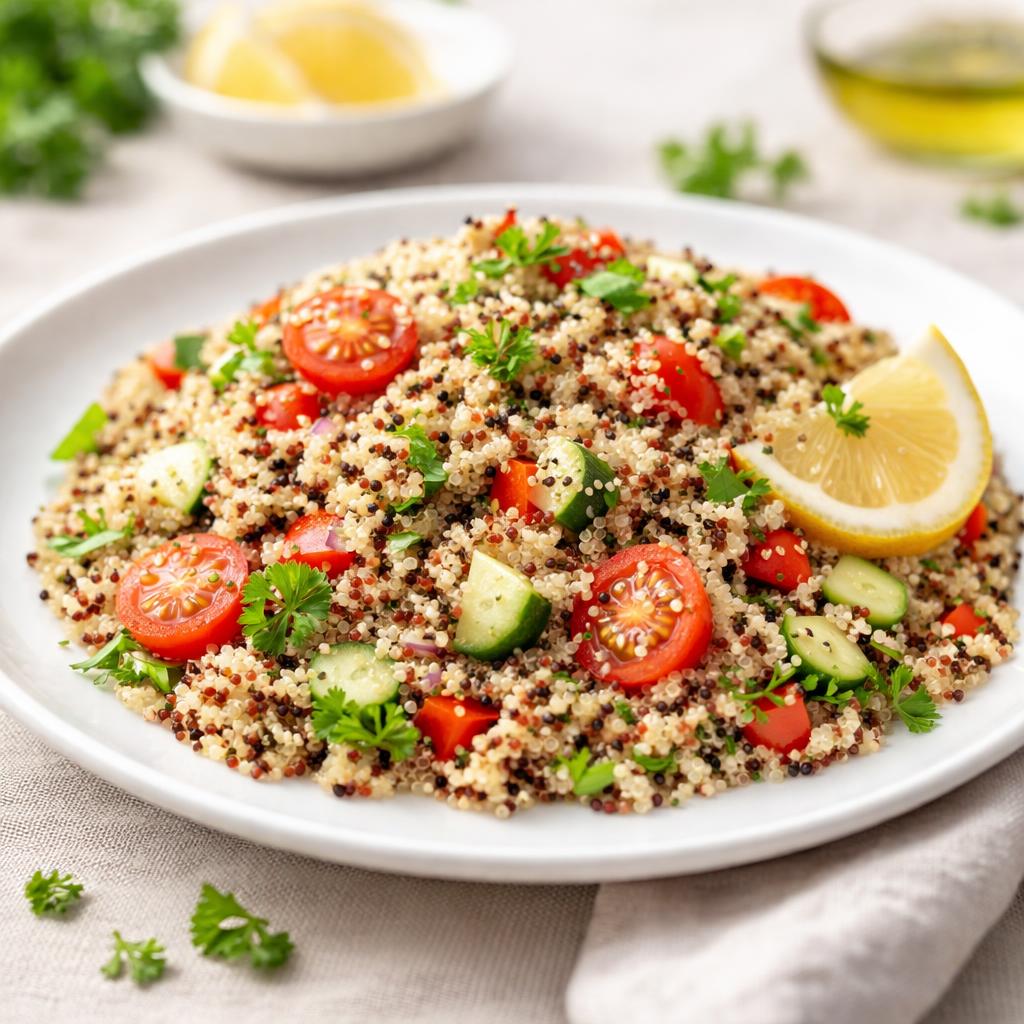
Quinoa
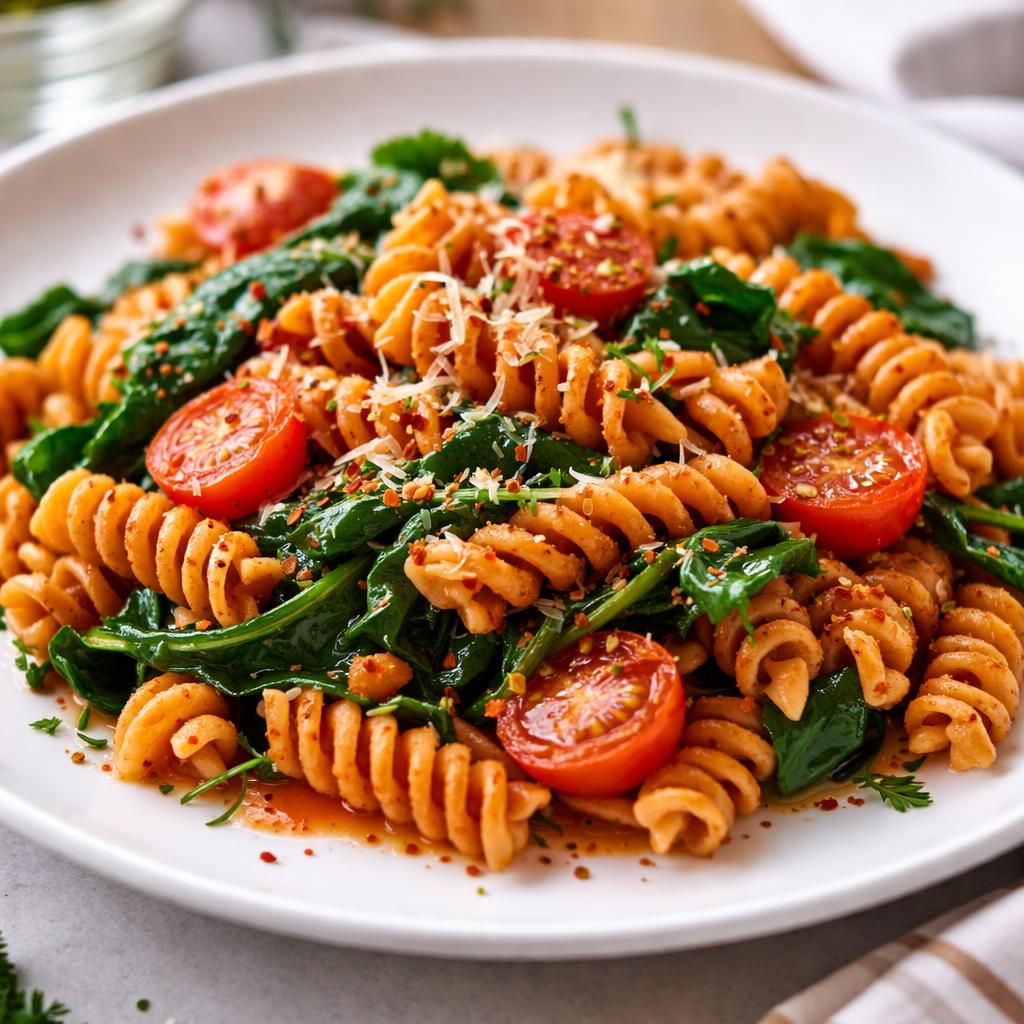
Lentil Pasta
🎯 Quick Verdict
Quinoa is a versatile whole grain that is lower in calories and provides complete protein, while lentil pasta offers higher protein and fiber, making it an excellent option for sustained energy and digestion. Quinoa is more nutrient-dense per serving and better suited for balanced diets, while lentil pasta is tailored for high-protein needs or active lifestyles.

Smart Nutrition Tracking with SnapCalorie

📊 Nutritional Comparison
Macronutrients
| Nutrient | Food 1 | Food 2 | Winner |
|---|---|---|---|
| Calories | 120 (per 1 cup cooked) | 200 (per 1 cup cooked) | ✓ |
| Protein | 4g | 14g | ✓ |
| Carbs | 21g | 35g | ✓ |
| Fat | 2g | 1.5g | ✓ |
| Fiber | 2.5g | 6g | ✓ |
Vitamins & Minerals
| Nutrient | Food 1 | Food 2 | Winner |
|---|---|---|---|
| Vitamin B6 | 0.2mg (15% DV) | 0.3mg (20% DV) | ✓ |
| Magnesium | 64mg (15% DV) | 60mg (14% DV) | ✓ |
| Iron | 1.2mg (7% DV) | 4mg (22% DV) | ✓ |
🏆 Category Winners
Protein
Lentil pasta has 250% more protein per serving compared to quinoa.
Fiber
Lentil pasta provides over 2x the fiber of quinoa.
Calories
Quinoa contains 40% fewer calories per cup.
Vitamins
Lentil pasta provides higher levels of iron and vitamin B6, important for energy and blood health.
🥗 Diet Compatibility
Keto
Food 1: Not Compatible
Food 2: Not Compatible
Both are relatively high in carbohydrates and unsuitable for keto diets.
Vegan
Food 1: Compatible
Food 2: Compatible
Both are plant-based and suitable for vegan diets.
Gluten Free
Food 1: Compatible
Food 2: Compatible
Neither food contains gluten.
Paleo
Food 1: Not Compatible
Food 2: Not Compatible
Quinoa is a grain and lentil pasta is legume-based, both excluded from strict paleo diets.
Low-Carb
Food 1: Not Compatible
Food 2: Not Compatible
Both contain moderate to high carbohydrate content per serving.
💪 Health Benefits Comparison
Food 1 Benefits
- Provides complete protein with essential amino acids
- Rich in magnesium for muscle and nerve health
- Low calorie and nutrient-dense, supporting balanced diets
Food 2 Benefits
- High in protein for muscle repair and growth
- Rich in fiber for digestive health and appetite control
- Good source of iron to support energy levels and oxygen transport
✅ The Bottom Line
Choose quinoa for lower-calorie meals and balanced nutrition or lentil pasta for high-protein, fiber-rich meals, especially if you're active or aiming to increase protein intake. Both foods are plant-based and gluten-free, making them versatile options for various diets.
Choose Food 1 for: Balanced diets, weight management, complete protein needs
Choose Food 2 for: High-protein meals, athletes, fiber-rich diets


