Quinoa VS Jasmin Rice
A detailed nutritional comparison
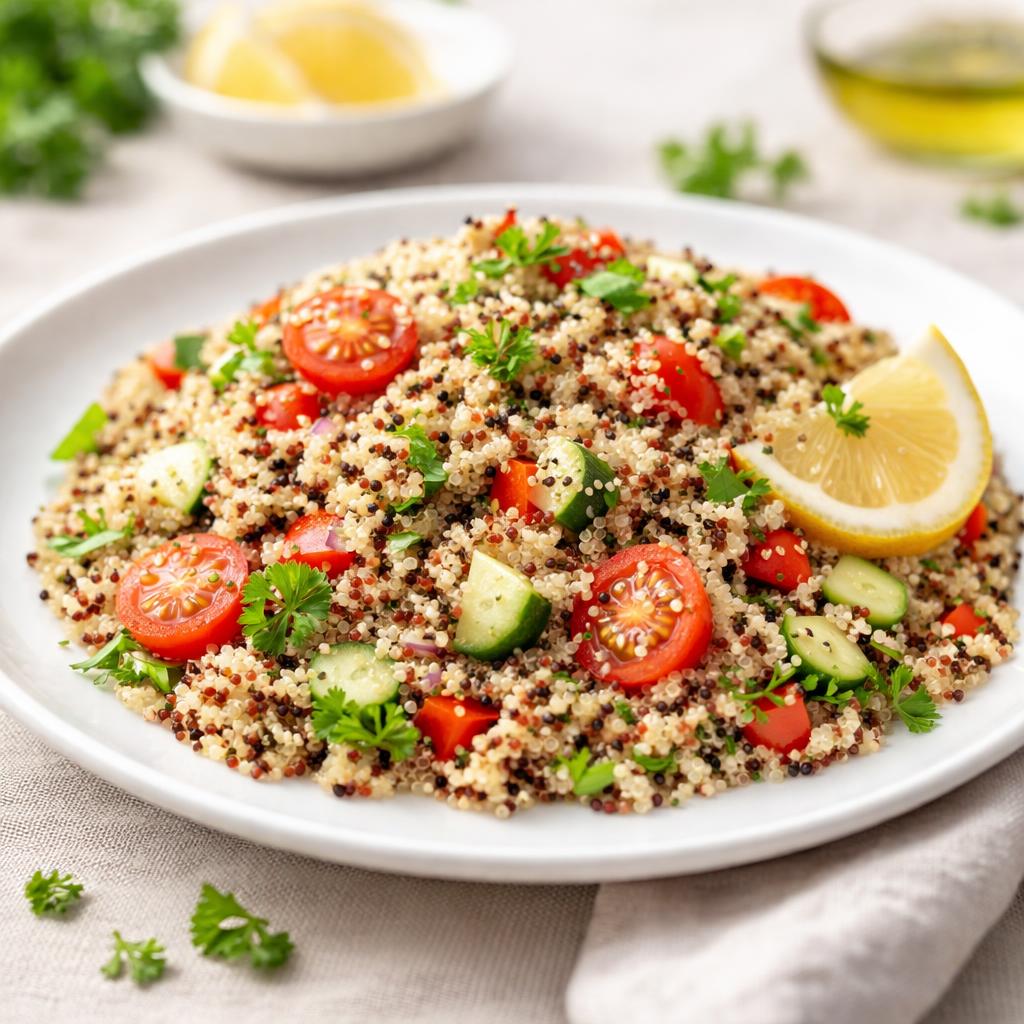
Quinoa
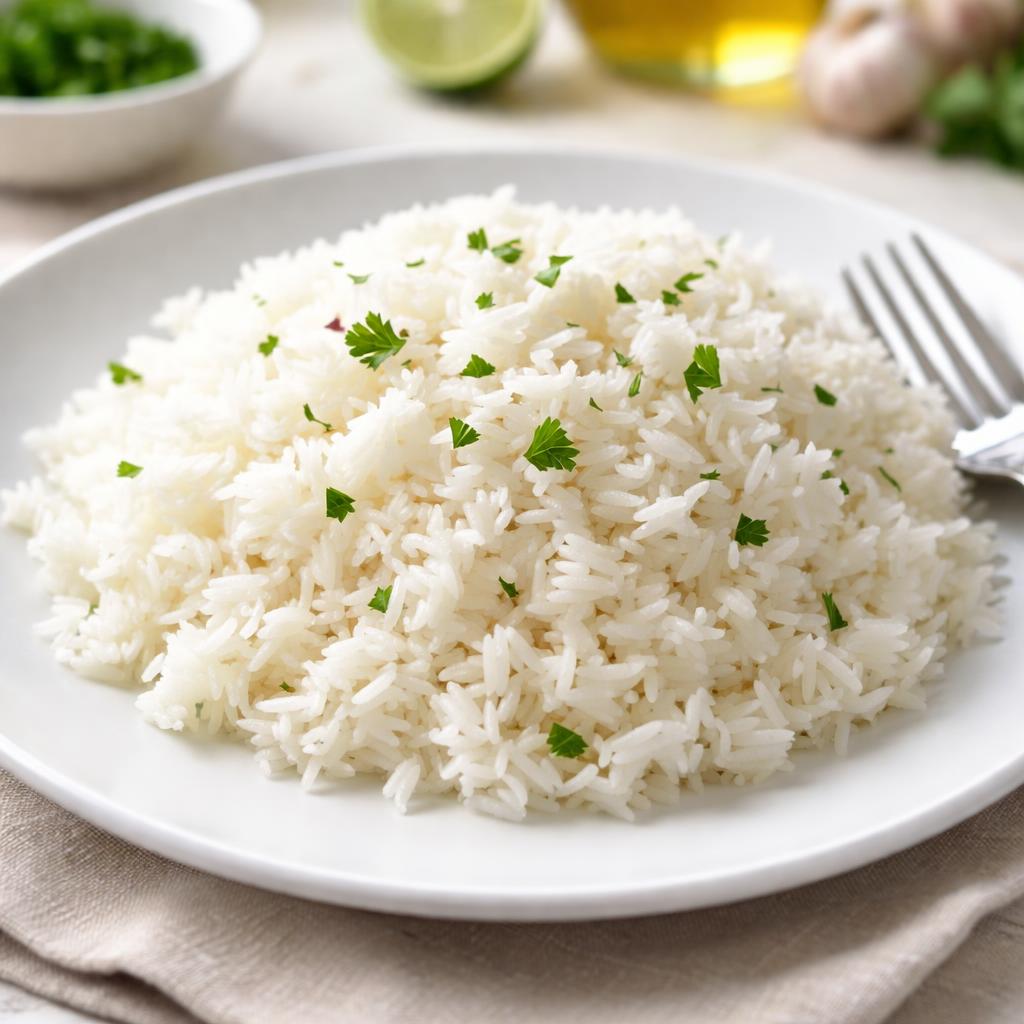
Jasmin Rice
🎯 Quick Verdict
Quinoa surpasses jasmine rice nutritionally by offering more protein, fiber, and fewer calories per serving. Jasmine rice, however, is a good option for those seeking easily digestible carbs for quick energy. Quinoa is better suited for high-protein diets and as a nutrient-dense choice, while jasmine rice is great for post-workout carb replenishment or traditional dishes requiring a mild flavor profile.

Smart Nutrition Tracking with SnapCalorie

📊 Nutritional Comparison
Macronutrients
| Nutrient | Food 1 | Food 2 | Winner |
|---|---|---|---|
| Calories | 120 calories (1 cup cooked) | 205 calories (1 cup cooked) | ✓ |
| Protein | 4g | 4g | − |
| Carbs | 21g | 45g | ✓ |
| Fat | 2g | 0g | ✓ |
| Fiber | 2.5g | 0.5g | ✓ |
Vitamins & Minerals
| Nutrient | Food 1 | Food 2 | Winner |
|---|---|---|---|
| Vitamin B6 | 0.1mg | 0.03mg | ✓ |
| Magnesium | 30mg | 11mg | ✓ |
| Iron | 1.4mg | 0.2mg | ✓ |
🏆 Category Winners
Protein
Both foods contain 4g of protein per cup cooked.
Fiber
Quinoa contains 2.5g of fiber compared to jasmine rice's 0.5g.
Calories
Quinoa has significantly fewer calories per cup than jasmine rice.
Vitamins
Quinoa provides superior micronutrients like magnesium and iron.
🥗 Diet Compatibility
Keto
Food 1: Not Compatible
Food 2: Not Compatible
Neither is low-carb enough for a keto diet.
Vegan
Food 1: Compatible
Food 2: Compatible
Both are plant-based and suitable for vegan diets.
Gluten Free
Food 1: Compatible
Food 2: Compatible
Neither contains gluten.
Paleo
Food 1: May be Compatible
Food 2: Compatible
Quinoa is technically a seed, so it is debated in Paleo circles, but jasmine rice is usually compatible.
Low-Carb
Food 1: Not Compatible
Food 2: Not Compatible
Both contain moderate to high amounts of carbohydrates.
💪 Health Benefits Comparison
Food 1 Benefits
- Rich source of fiber for improved digestion.
- Contains plant-based protein for muscle repair.
- High in magnesium and iron which support muscle function and oxygen transport.
- Provides antioxidants and essential amino acids.
Food 2 Benefits
- Good source of easily digestible carbohydrates for quick energy.
- Supports post-workout glycogen replenishment.
- Low in fat, making it suitable for calorie-conscious meals.
- Light flavor and texture pairs well with a variety of dishes.
✅ The Bottom Line
Quinoa is the more nutrient-dense option, with more fiber, lower calories, and essential micronutrients, making it ideal for balanced diets and weight management. Jasmine rice, however, is best for quick energy and carbohydrate replenishment, particularly in active lifestyles or traditional cuisine contexts.
Choose Food 1 for: Weight loss, nutrient-dense meals, vegetarian protein options
Choose Food 2 for: Fast energy, post-workout recovery, traditional Asian dishes


