Quinoa VS Cilantro Lime Rice
A detailed nutritional comparison
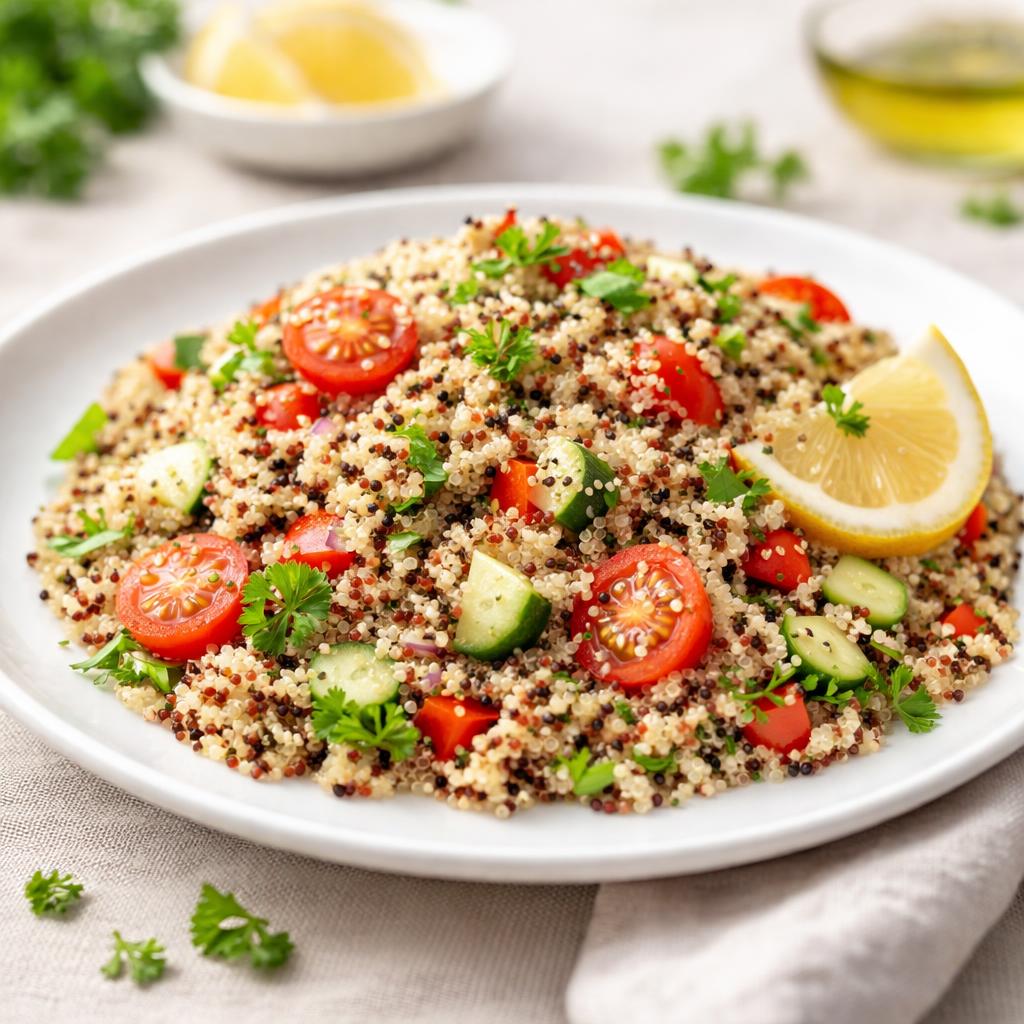
Quinoa
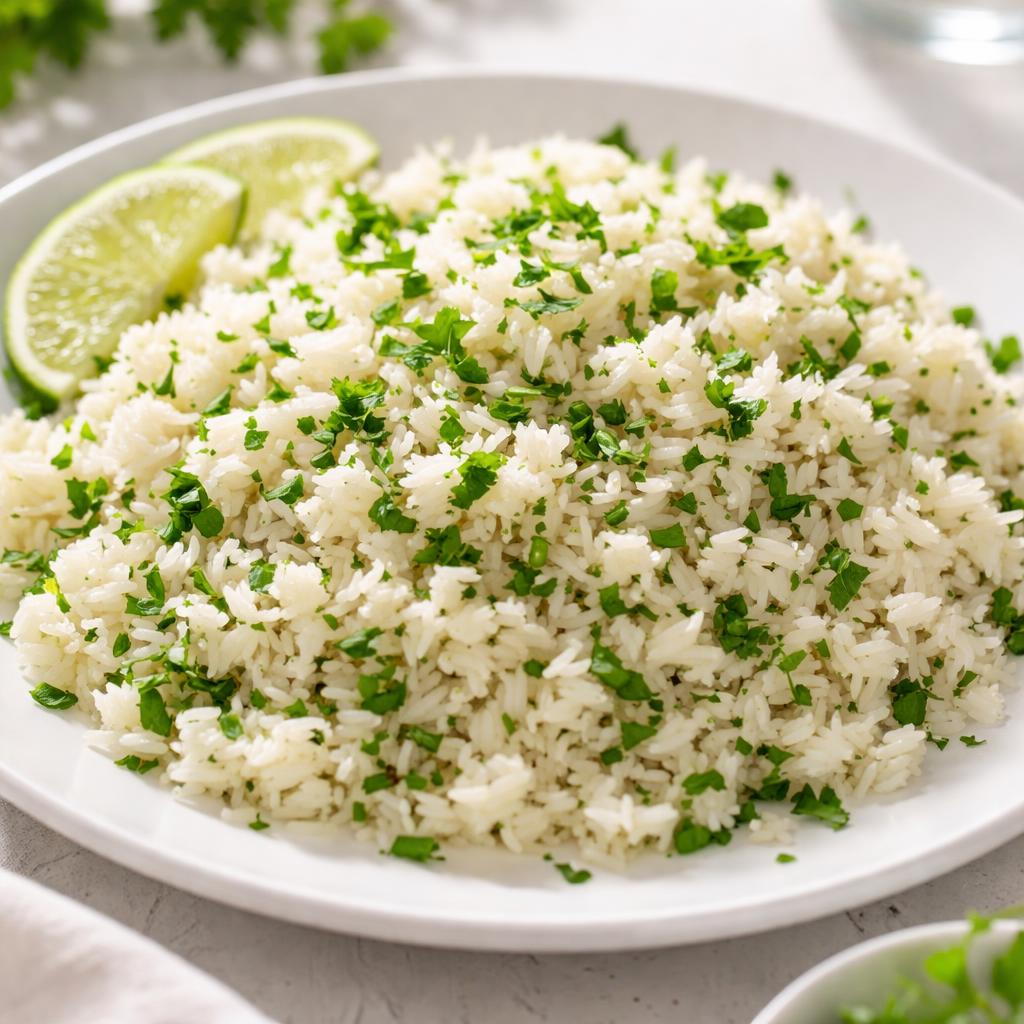
Cilantro Lime Rice
🎯 Quick Verdict
Quinoa outperforms cilantro lime rice in nearly all nutritional categories such as protein, fiber, and calorie count. While quinoa is a complete protein with significant health benefits, cilantro lime rice offers a flavorful option but is higher in calories and lower in essential nutrients. Quinoa is ideal for nutrient-dense meals, while cilantro lime rice works well for flavor-focused dishes or energy-rich sides.

Smart Nutrition Tracking with SnapCalorie

📊 Nutritional Comparison
Macronutrients
| Nutrient | Food 1 | Food 2 | Winner |
|---|---|---|---|
| Calories | 120 | 190 | ✓ |
| Protein | 4g | 2g | ✓ |
| Carbs | 21g | 36g | ✓ |
| Fat | 2g | 3g | ✓ |
| Fiber | 2.5g | 1g | ✓ |
Vitamins & Minerals
| Nutrient | Food 1 | Food 2 | Winner |
|---|---|---|---|
| Vitamin D | 0mcg | 0mcg | − |
| Calcium | 15mg | 10mg | ✓ |
| Iron | 1.5mg | 0.5mg | ✓ |
🏆 Category Winners
Protein
Quinoa contains twice the protein per serving compared to cilantro lime rice.
Fiber
Quinoa provides more than double the fiber content, aiding in digestion.
Calories
Quinoa has 37% fewer calories than cilantro lime rice per serving.
Vitamins
Quinoa offers higher levels of iron and calcium compared to cilantro lime rice.
🥗 Diet Compatibility
Keto
Food 1: Not Compatible
Food 2: Not Compatible
Both foods are relatively high in carbs and not suitable for keto diets.
Vegan
Food 1: Compatible
Food 2: Compatible
Both foods are plant-based and suitable for vegan diets.
Gluten Free
Food 1: Compatible
Food 2: Compatible
Neither food contains gluten.
Paleo
Food 1: Compatible
Food 2: Not Compatible
Quinoa is considered acceptable on some paleo diets, but cilantro lime rice is typically excluded.
Low-Carb
Food 1: Not Compatible
Food 2: Not Compatible
Both foods contain moderate to high levels of carbohydrates.
💪 Health Benefits Comparison
Food 1 Benefits
- Complete protein containing all essential amino acids
- Rich in fiber for digestive health
- Good source of iron and magnesium for energy production and muscle function
- Lower glycemic index compared to white rice, aiding in blood sugar management
Food 2 Benefits
- Provides quick energy due to higher carbohydrate content
- Contains healthy fats from additions like lime or oil
- Good flavor enhancer in balanced meals
- Low in fiber but offers minerals including trace amounts of calcium
✅ The Bottom Line
Choose quinoa for a nutrient-dense option that delivers higher protein, fiber, and lower calories. It is ideal for weight loss, muscle building, and balanced meals. Cilantro lime rice is better suited as a flavorful side dish for energy-rich meals or occasions where taste is a priority.
Choose Food 1 for: Weight loss, high-protein diets, balanced meals
Choose Food 2 for: Flavor enhancement, energy-rich side, casual meals


