Quinoa VS Bread With Cheese
A detailed nutritional comparison
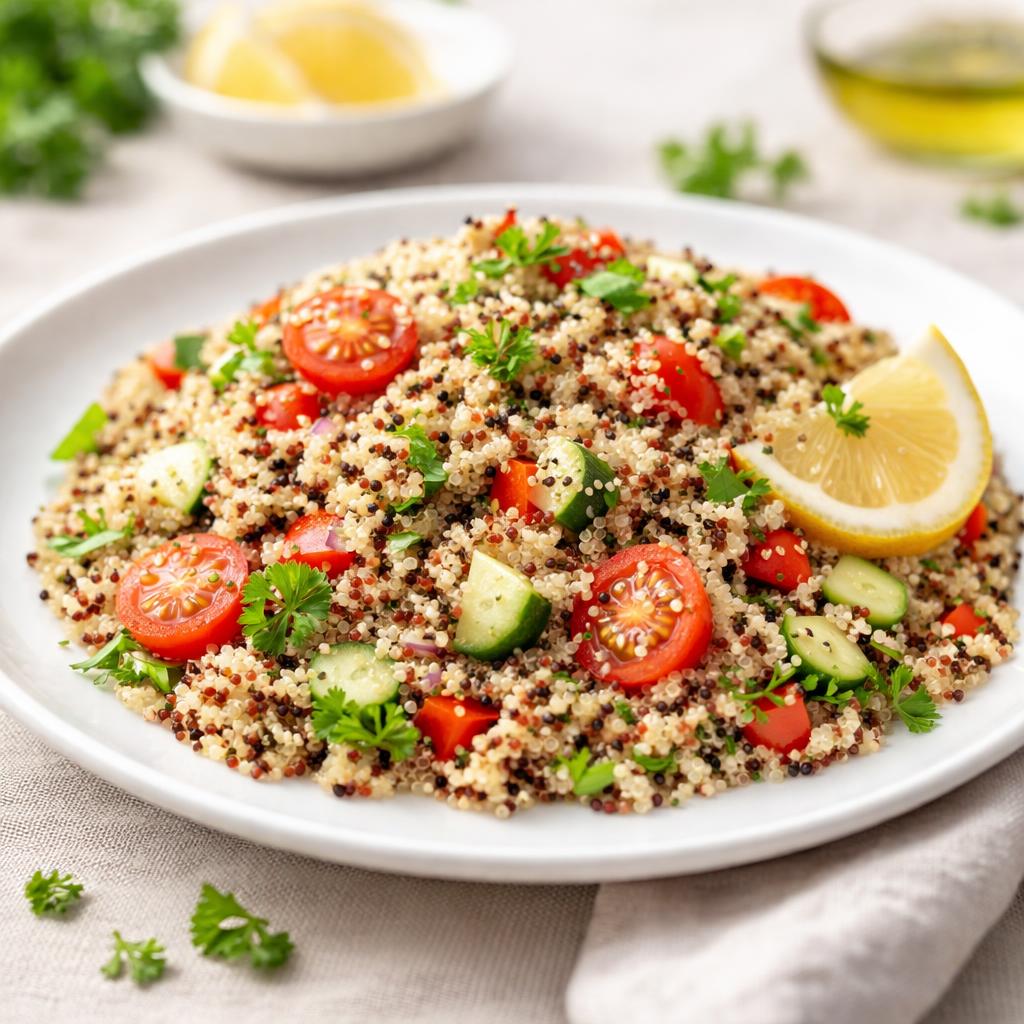
Quinoa
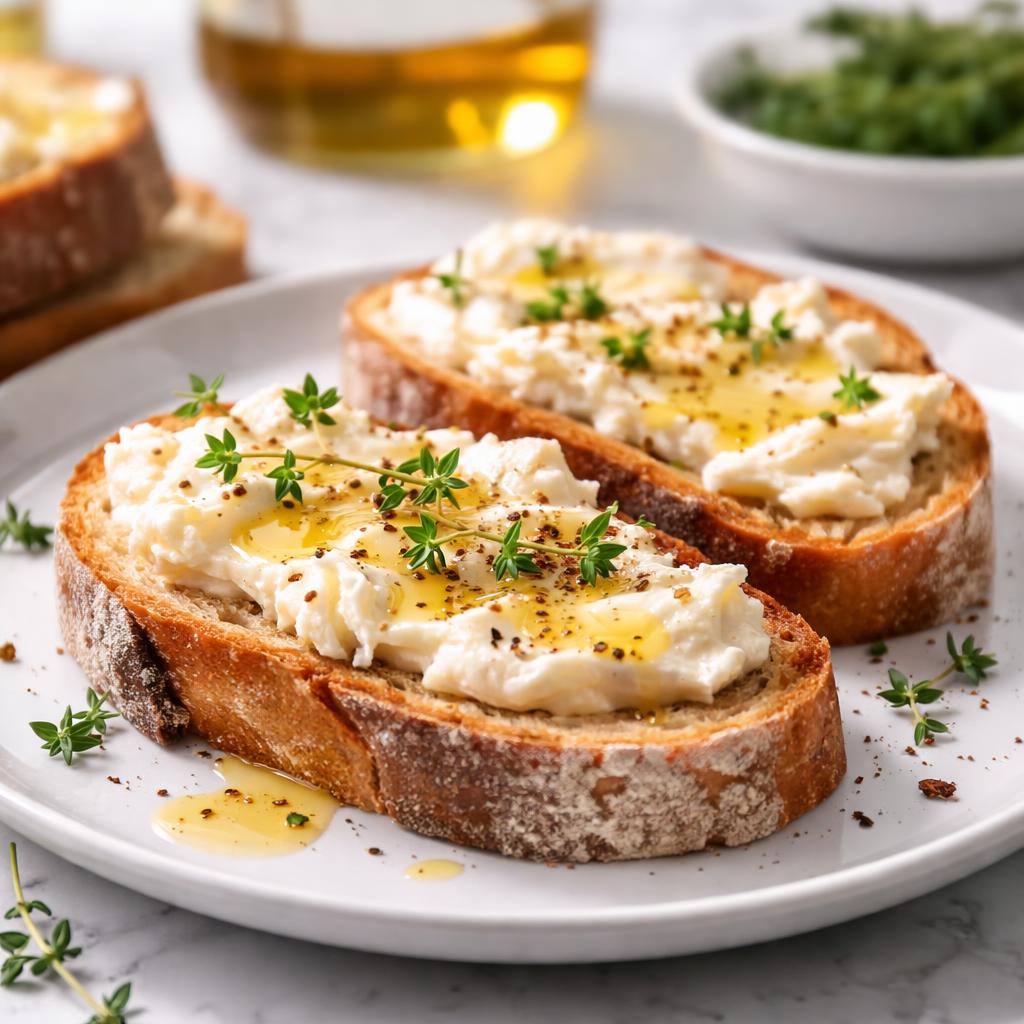
Bread With Cheese
🎯 Quick Verdict
Quinoa is nutrient-dense, offering a higher protein content, more fiber, and fewer calories compared to bread with cheese. Bread with cheese provides more calcium and fat, making it ideal for those who need energy-dense snacks. Both foods complement different dietary preferences depending on nutritional goals.

Smart Nutrition Tracking with SnapCalorie

📊 Nutritional Comparison
Macronutrients
| Nutrient | Food 1 | Food 2 | Winner |
|---|---|---|---|
| Calories | 120 per 1/2 cup cooked | 195 per 1 slice with cheese | ✓ |
| Protein | 4g per 1/2 cup cooked | 8g per slice with cheese | ✓ |
| Carbs | 21g per 1/2 cup cooked | 15g per slice with cheese | ✓ |
| Fat | 2g per 1/2 cup cooked | 9g per slice with cheese | ✓ |
| Fiber | 3g per 1/2 cup cooked | 1g per slice with cheese | ✓ |
Vitamins & Minerals
| Nutrient | Food 1 | Food 2 | Winner |
|---|---|---|---|
| Vitamin D | 0mcg | 0.2mcg | ✓ |
| Calcium | 20mg | 150mg | ✓ |
| Iron | 1.3mg | 0.5mg | ✓ |
| Magnesium | 64mg | 5mg | ✓ |
🏆 Category Winners
Protein
Bread with cheese provides 100% more protein per serving.
Fiber
Quinoa contains 3x more fiber, supporting better digestion.
Calories
Quinoa is lower in calories, making it better for weight control.
Vitamins
Quinoa offers broader micronutrient support, including magnesium and iron, while bread with cheese is richer in calcium.
🥗 Diet Compatibility
Keto
Food 1: Not Compatible
Food 2: Not Compatible
Both are high in carbohydrates.
Vegan
Food 1: Compatible
Food 2: Not Compatible
Quinoa is plant-based, while cheese makes food2 non-vegan.
Gluten Free
Food 1: Compatible
Food 2: Not Compatible
Quinoa is naturally gluten-free, while bread contains gluten.
Paleo
Food 1: Compatible
Food 2: Not Compatible
Quinoa aligns with paleo diets; bread and cheese do not.
Low Carb
Food 1: Not Compatible
Food 2: Not Compatible
Both foods contain moderate to high levels of carbohydrates.
💪 Health Benefits Comparison
Food 1 Benefits
- Rich in fiber for digestive health
- Contains complete protein for muscle repair
- High in magnesium for bone and heart health
- Gluten-free providing an alternative grain option
Food 2 Benefits
- Good source of protein for muscle maintenance
- High in calcium to support bone strength
- Energy-dense, ideal for quick recovery or active individuals
- Provides healthy fats from cheese for sustained energy
✅ The Bottom Line
Quinoa is a nutrient-dense option, ideal for digestive health, weight management, and clean eating. Bread with cheese is better for those seeking protein-rich, energy-dense snacks or meals. Each food fits different dietary needs and goals.
Choose Food 1 for: Weight loss, gluten-free diets, nutrient density
Choose Food 2 for: Active individuals, high-protein snacks, calcium intake


