Quinoa VS Bread Toast
A detailed nutritional comparison
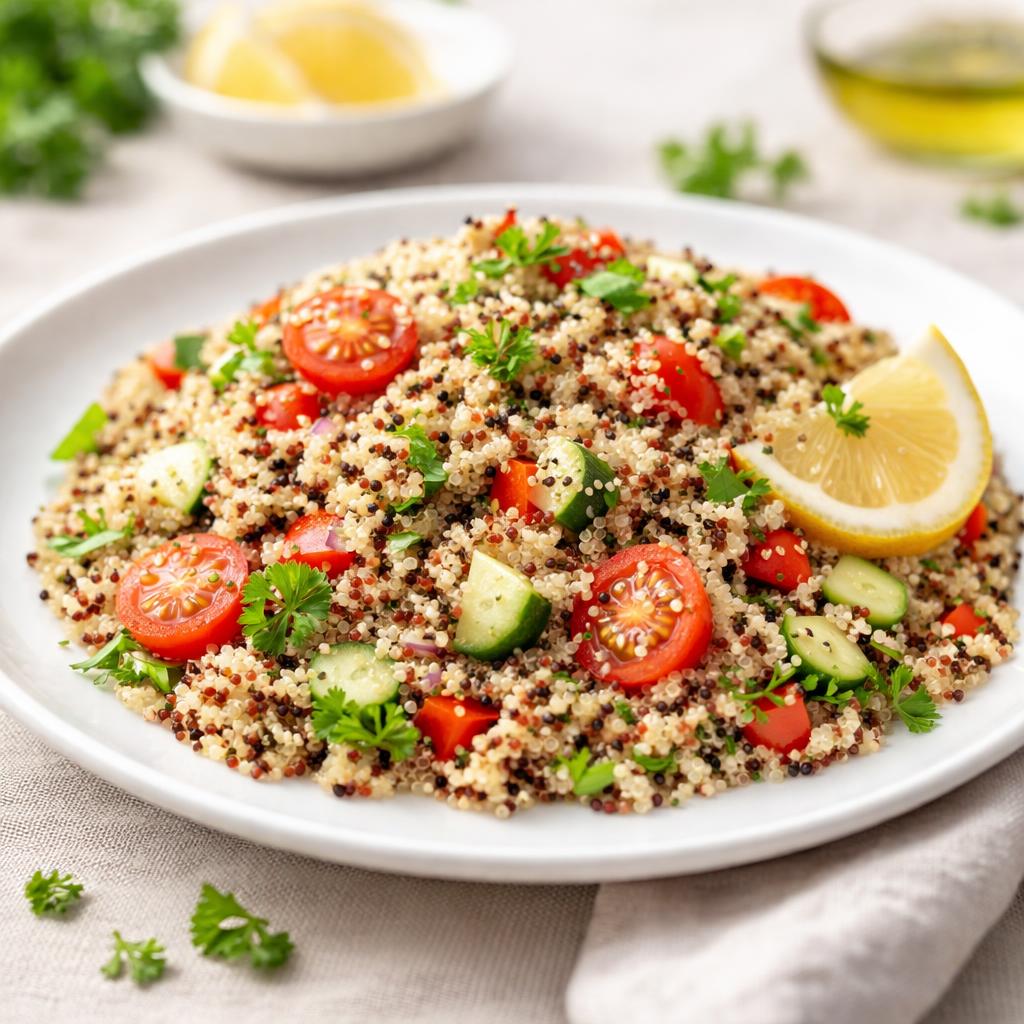
Quinoa
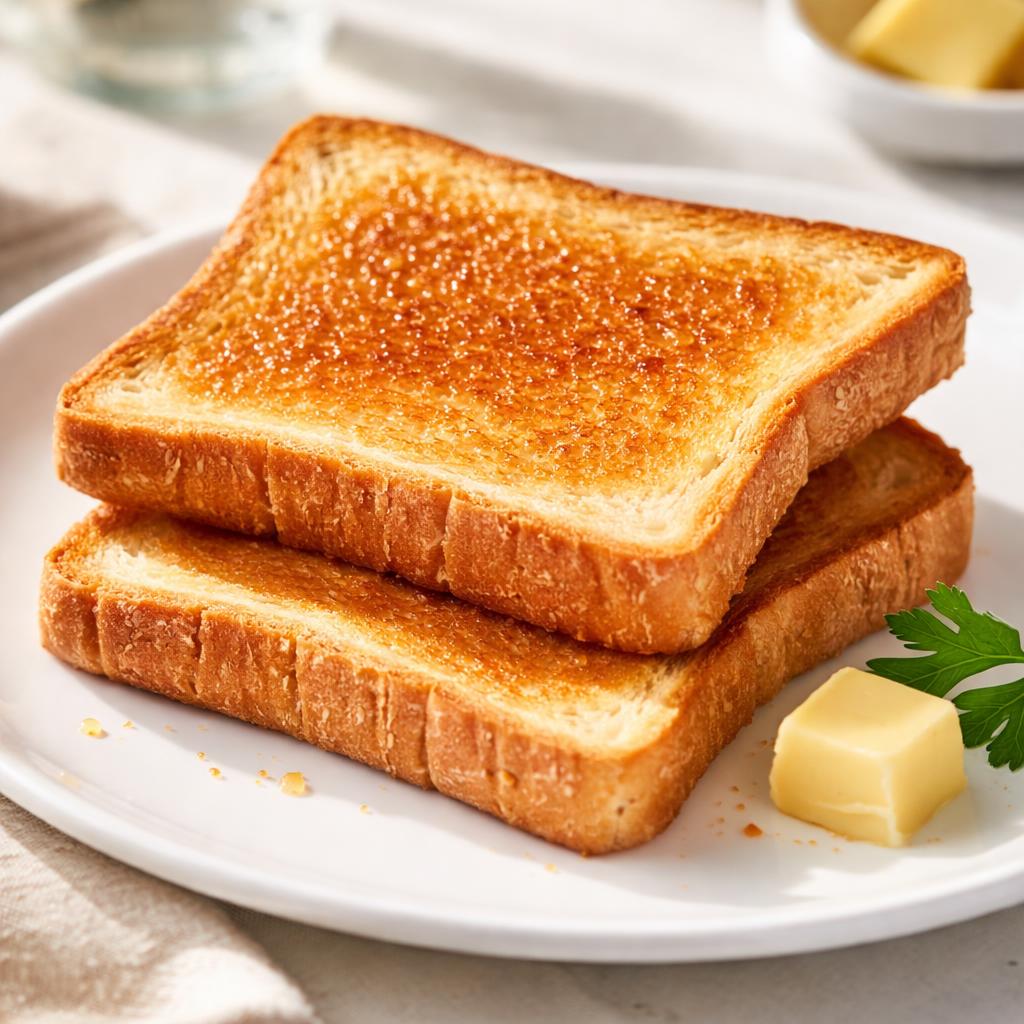
Bread Toast
🎯 Quick Verdict
Quinoa offers higher protein (4g per ½ cup cooked), fiber, and essential minerals compared to bread toast, making it a nutrient-dense option. Bread toast is higher in calories and carbs but can provide quick energy and convenience. Quinoa is best suited for balanced meals and dietary goals, while bread toast is better for on-the-go snacks or sandwiches.

Smart Nutrition Tracking with SnapCalorie

📊 Nutritional Comparison
Macronutrients
| Nutrient | Food 1 | Food 2 | Winner |
|---|---|---|---|
| Calories | 111 (½ cup cooked) | 75 (1 slice) | ✓ |
| Protein | 4g | 2g | ✓ |
| Carbs | 20g | 14g | ✓ |
| Fat | 2g | 1g | ✓ |
| Fiber | 2.6g | 0.8g | ✓ |
Vitamins & Minerals
| Nutrient | Food 1 | Food 2 | Winner |
|---|---|---|---|
| Vitamin D | 0mcg | 0mcg | − |
| Calcium | 9mg | 36mg | ✓ |
| Iron | 1.3mg | 0.7mg | ✓ |
🏆 Category Winners
Protein
Quinoa has double the protein per serving compared to bread toast.
Fiber
Quinoa is significantly richer in fiber with over triple the amount.
Calories
Bread toast has fewer calories per serving, ideal for quick energy.
Vitamins
Quinoa provides more essential minerals like iron.
🥗 Diet Compatibility
Keto
Food 1: Not Compatible
Food 2: Not Compatible
Both are moderately high in carbs.
Vegan
Food 1: Compatible
Food 2: Compatible
Both are plant-based foods.
Gluten Free
Food 1: Compatible
Food 2: Not Compatible
Quinoa is naturally gluten-free, but bread toast usually contains gluten.
Paleo
Food 1: Compatible
Food 2: Not Compatible
Quinoa is considered a pseudocereal and fits paleo diets, while bread does not.
Low Carb
Food 1: Not Compatible
Food 2: Not Compatible
Both foods exceed typical low-carb thresholds.
💪 Health Benefits Comparison
Food 1 Benefits
- Complete protein source with all essential amino acids
- Rich in fiber for improved digestion and satiety
- High in iron and magnesium for energy production and muscle health
- Naturally gluten-free for sensitive individuals
Food 2 Benefits
- Quick energy source due to easily digestible carbs
- Convenient for pairing with spreads, proteins, or fruits
- Moderate calcium content supports bone health
- Can be fortified with nutrients (depending on type of bread)
✅ The Bottom Line
Quinoa is the better option if you're looking for a nutrient-dense, protein- and fiber-rich food that is naturally gluten-free. Bread toast provides quick energy and convenience but lacks the nutrient diversity of quinoa. Choose quinoa for balanced meals and dietary goals, and bread toast for fast snacks or light energy boosts.
Choose Food 1 for: Muscle building, digestion, gluten-free diets, nutrient-rich meals
Choose Food 2 for: Quick snacks, energy for physical activity, convenience


