Protein Bread VS Shrimp Pasta
A detailed nutritional comparison
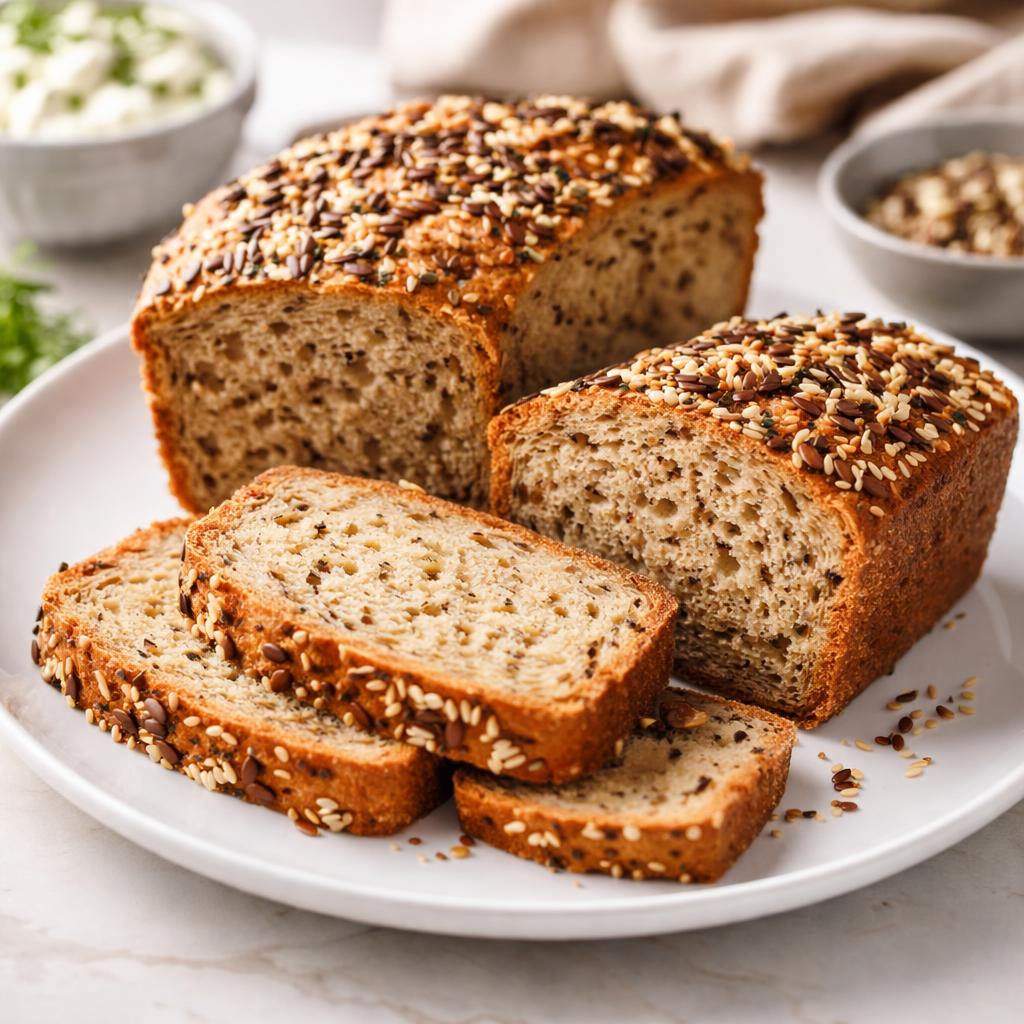
Protein Bread
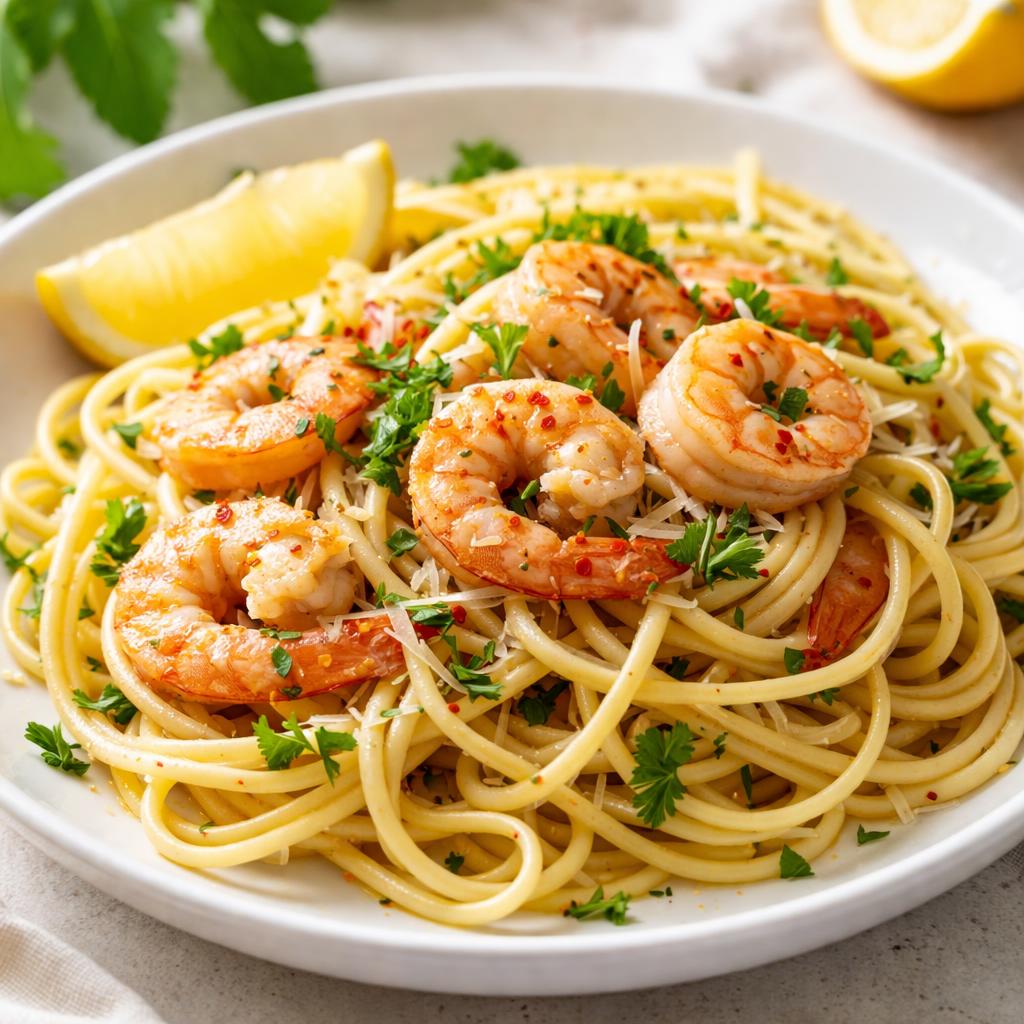
Shrimp Pasta
🎯 Quick Verdict
Protein bread generally outperforms shrimp pasta in terms of protein content, fiber, and lower calorie density, making it an excellent choice for weight management and high-protein diets. Shrimp pasta provides more overall carbs, fats, and some additional minerals, making it better suited for carb-loading or balanced energy needs.

Smart Nutrition Tracking with SnapCalorie

📊 Nutritional Comparison
Macronutrients
| Nutrient | Food 1 | Food 2 | Winner |
|---|---|---|---|
| Calories | 120 | 300 | ✓ |
| Protein | 15g | 12g | ✓ |
| Carbs | 15g | 40g | ✓ |
| Fat | 2g | 8g | ✓ |
| Fiber | 5g | 2g | ✓ |
Vitamins & Minerals
| Nutrient | Food 1 | Food 2 | Winner |
|---|---|---|---|
| Vitamin D | 0mcg | 2mcg | ✓ |
| Calcium | 100mg | 60mg | ✓ |
| Iron | 2mg | 1.5mg | ✓ |
🏆 Category Winners
Protein
Protein bread provides 25% more protein per serving than shrimp pasta.
Fiber
Protein bread delivers 150% more fiber, aiding digestion.
Calories
Protein bread is 60% lower in calories than shrimp pasta.
Vitamins
Shrimp pasta offers higher Vitamin D content, which supports bone health.
🥗 Diet Compatibility
Keto
Food 1: Compatible
Food 2: Not Compatible
Protein bread is low-carb, meeting keto guidelines, while shrimp pasta is higher in carbs.
Vegan
Food 1: Compatible
Food 2: Not Compatible
Protein bread is plant-based; shrimp pasta contains seafood.
Gluten Free
Food 1: Not Compatible
Food 2: Not Compatible
Neither food is gluten-free unless specified by the manufacturer.
Paleo
Food 1: Not Compatible
Food 2: Compatible
Shrimp pasta aligns with paleo principles if made with non-grain pasta; protein bread typically uses grains.
Low-Carb
Food 1: Compatible
Food 2: Not Compatible
Protein bread contains only 15g of carbs, while shrimp pasta contains 40g.
💪 Health Benefits Comparison
Food 1 Benefits
- Rich in protein for muscle repair and maintenance
- High in fiber to improve gut health
- Low-calorie option for weight management
- Contains plant-based nutrients
Food 2 Benefits
- Good source of Vitamin D for bone and immune health
- Provides healthy fats from shrimp for cardiovascular protection
- Balanced macronutrients for sustained energy
- Contains antioxidants and minerals like zinc for cellular support
✅ The Bottom Line
Protein bread is ideal for high-protein, low-calorie diets, and is well-suited for athletes or weight-conscious individuals. Shrimp pasta works better for those seeking sustained energy, higher Vitamin D intake, or a more indulgent meal. Each food has unique benefits, so the choice depends on dietary goals.
Choose Food 1 for: Weight loss, high-protein diets, post-workout recovery
Choose Food 2 for: Balanced energy, indulgent meals, bone health due to Vitamin D


