Protein Bread VS Fitness Bread
A detailed nutritional comparison
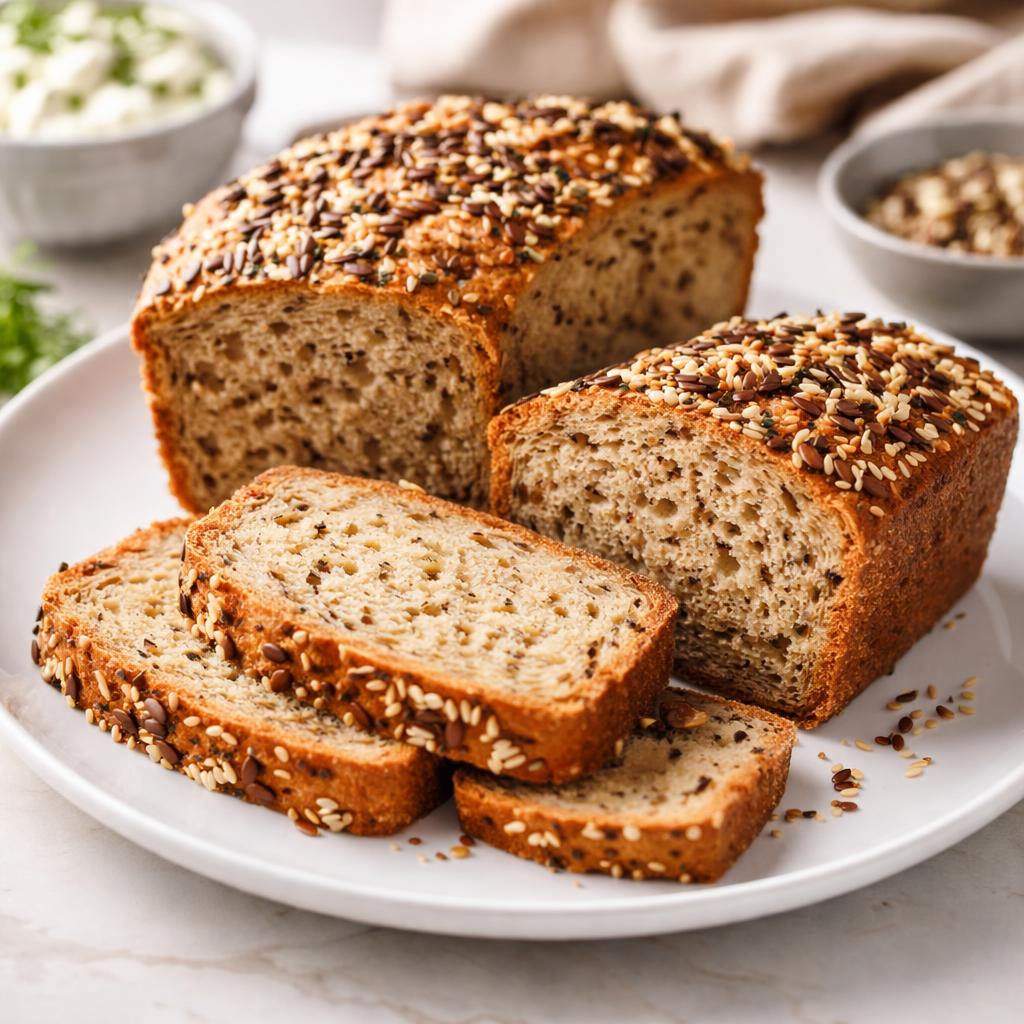
Protein Bread
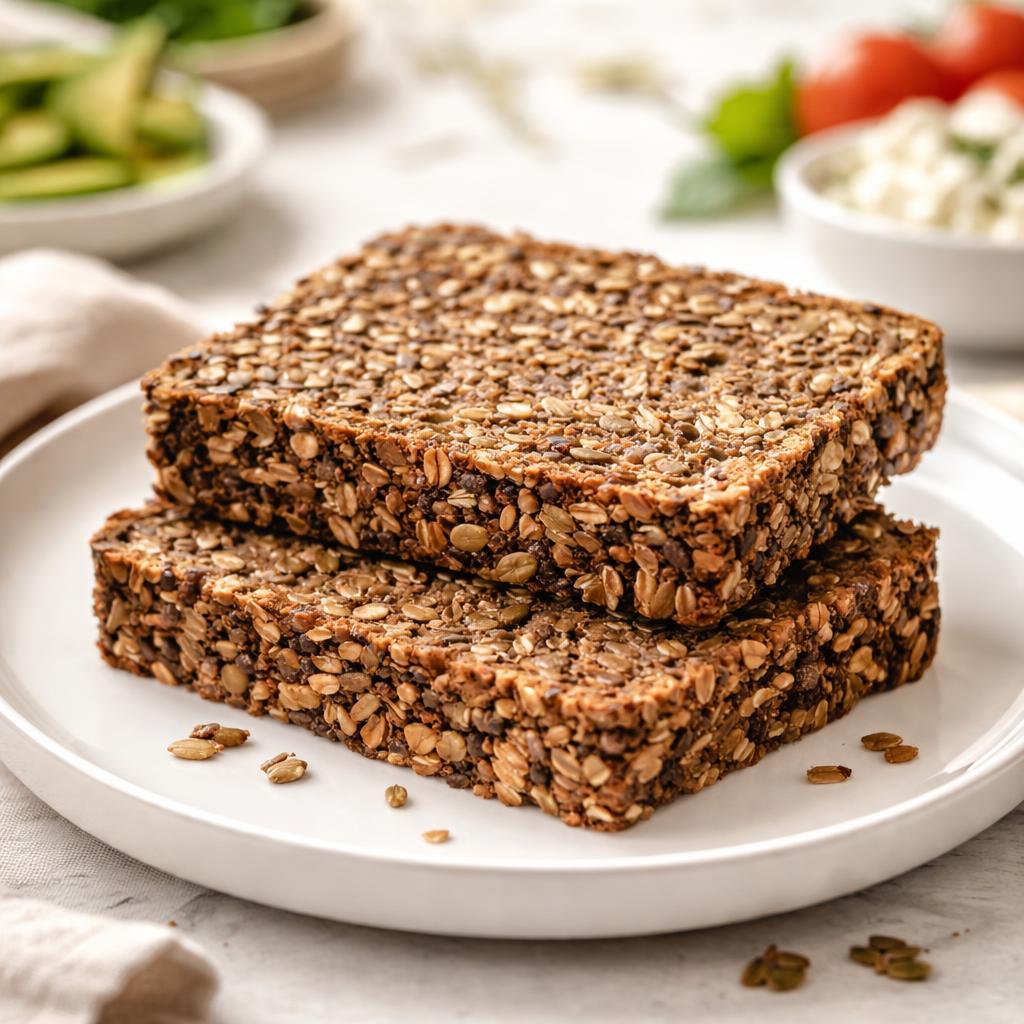
Fitness Bread
🎯 Quick Verdict
Protein bread (Food 1) is a higher-protein, lower-calorie option, making it ideal for muscle maintenance and weight management. Fitness bread (Food 2) boasts more fiber and healthy fats, better suited for sustained energy and digestive health. Both are excellent choices depending on your specific nutrition goals.

Smart Nutrition Tracking with SnapCalorie

📊 Nutritional Comparison
Macronutrients
| Nutrient | Food 1 | Food 2 | Winner |
|---|---|---|---|
| Calories | 120 | 150 | ✓ |
| Protein | 10g | 6g | ✓ |
| Carbs | 13g | 20g | ✓ |
| Fat | 3g | 5g | ✓ |
| Fiber | 4g | 8g | ✓ |
Vitamins & Minerals
| Nutrient | Food 1 | Food 2 | Winner |
|---|---|---|---|
| Vitamin B6 | 0.3mg | 0.5mg | ✓ |
| Thiamine (Vitamin B1) | 0.2mg | 0.4mg | ✓ |
| Iron | 2mg | 1.5mg | ✓ |
| Magnesium | 25mg | 40mg | ✓ |
🏆 Category Winners
Protein
Protein bread has 67% more protein per serving, aiding muscle maintenance.
Fiber
Fitness bread contains 100% more fiber, promoting digestive health.
Calories
Protein bread has 20% fewer calories, supporting weight management.
Vitamins
Fitness bread offers higher B-vitamin levels and more magnesium.
🥗 Diet Compatibility
Keto
Food 1: Compatible
Food 2: Not Compatible
Protein bread is low-carb with 13g of carbs per serving.
Vegan
Food 1: Compatible
Food 2: Compatible
Both are plant-based breads without animal products.
Gluten Free
Food 1: Not Compatible
Food 2: Not Compatible
Both contain gluten from grains.
Paleo
Food 1: Not Compatible
Food 2: Not Compatible
Neither aligns with paleo due to grain content.
Low-Carb
Food 1: Compatible
Food 2: Not Compatible
Protein bread is considered low-carb while fitness bread is higher in carbs.
💪 Health Benefits Comparison
Food 1 Benefits
- High in protein for muscle maintenance and repair
- Lower in calories, making it ideal for weight management
- Contains a moderate amount of fiber for digestive health
Food 2 Benefits
- Rich in fiber, supporting gut health and satiety
- Contains healthy fats for sustained energy and heart health
- Provides key nutrients like B vitamins and magnesium for energy production
✅ The Bottom Line
Protein bread is an excellent choice for those focusing on high protein intake, lower calorie consumption, and low-carb diets, such as weight management or post-workout meals. Fitness bread offers more fiber and healthy fats, better suited for individuals prioritizing digestive health, sustained energy, and overall nutrient density.
Choose Food 1 for: Weight management, high-protein diets, keto-friendly meals
Choose Food 2 for: Digestive health, sustained energy, nutrient-dense snacking


