Protein Bread VS Bread With Peanut Butter
A detailed nutritional comparison
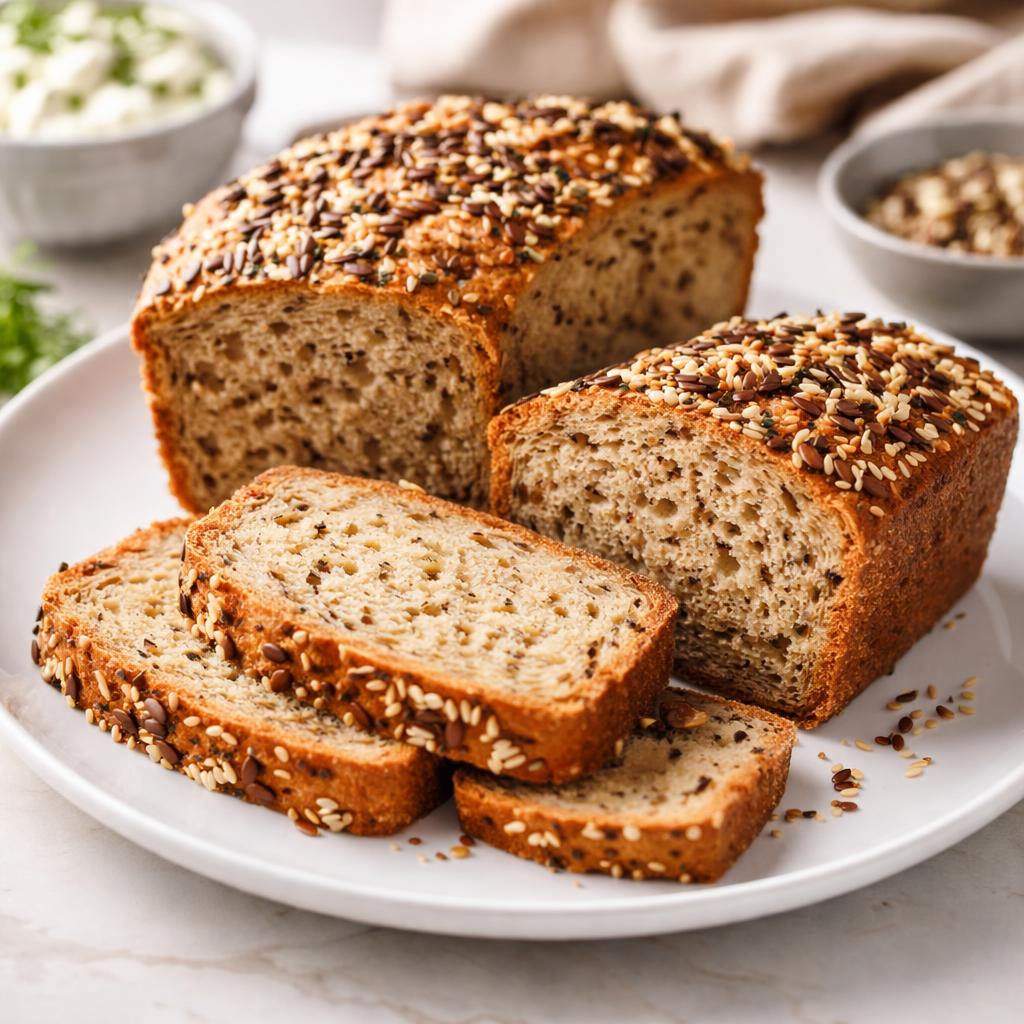
Protein Bread
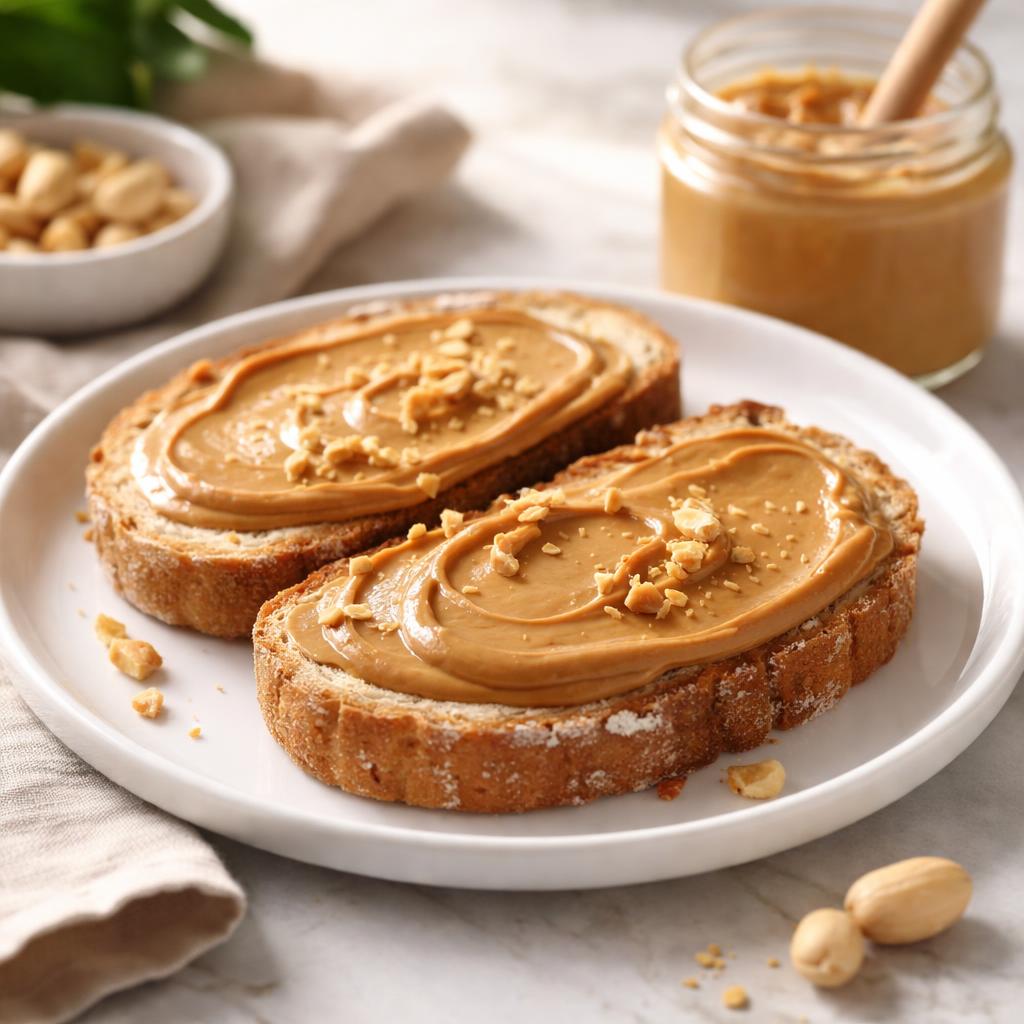
Bread With Peanut Butter
🎯 Quick Verdict
Protein bread offers significantly higher protein (around 15g per slice) and fewer calories compared to bread with peanut butter. Bread with peanut butter has more healthy fats and additional nutrients like vitamin E, making it a better choice for sustained energy and heart health. Choose protein bread for weight loss and muscle maintenance, and bread with peanut butter for nutrient-dense energy boosts.

Smart Nutrition Tracking with SnapCalorie

📊 Nutritional Comparison
Macronutrients
| Nutrient | Food 1 | Food 2 | Winner |
|---|---|---|---|
| Calories | 120 | 210 | ✓ |
| Protein | 15g | 8g | ✓ |
| Carbs | 10g | 18g | ✓ |
| Fat | 3g | 12g | ✓ |
| Fiber | 5g | 4g | ✓ |
Vitamins & Minerals
| Nutrient | Food 1 | Food 2 | Winner |
|---|---|---|---|
| Vitamin E | 0.5mg | 1.5mg | ✓ |
| Calcium | 150mg | 90mg | ✓ |
| Iron | 2mg | 1mg | ✓ |
🏆 Category Winners
Protein
Protein bread has almost double the protein per serving compared to bread with peanut butter.
Fiber
Protein bread provides 25% more fiber for digestive health.
Calories
Protein bread has 40% fewer calories, supporting calorie-conscious diets.
Vitamins
Bread with peanut butter is richer in vitamin E, beneficial for skin and heart health.
🥗 Diet Compatibility
Keto
Food 1: Compatible
Food 2: Not Compatible
Protein bread is lower in carbs (10g per slice).
Vegan
Food 1: Compatible
Food 2: Compatible
Both foods can be vegan with plant-based peanut butter.
Gluten Free
Food 1: Not Compatible
Food 2: Not Compatible
Both foods typically contain gluten unless gluten-free variations are used.
Paleo
Food 1: Not Compatible
Food 2: Not Compatible
Neither aligns with paleo principles due to grains and processed ingredients.
Low-Carb
Food 1: Compatible
Food 2: Not Compatible
Protein bread aligns better with low-carb diets due to fewer carbs.
💪 Health Benefits Comparison
Food 1 Benefits
- Excellent source of high-quality protein for muscle growth and repair
- High fiber content supports gut health and digestion
- Low-calorie and lower-carb option suitable for weight management
Food 2 Benefits
- Rich in healthy fats for heart and brain health
- Contains antioxidants like vitamin E for skin and cell protection
- Provides sustained energy from a combination of carbs and fats
✅ The Bottom Line
Protein bread is ideal for calorie-conscious, high-protein diets or post-workout recovery. Bread with peanut butter suits those seeking sustained energy and heart-healthy nutrients like vitamin E. Each food has unique advantages; base your choice on dietary priorities and goals.
Choose Food 1 for: Weight loss, muscle maintenance, post-workout nutrition
Choose Food 2 for: Heart health, quick energy boosts, general nutrient density


