Protein Bread VS Alfredo Pasta
A detailed nutritional comparison
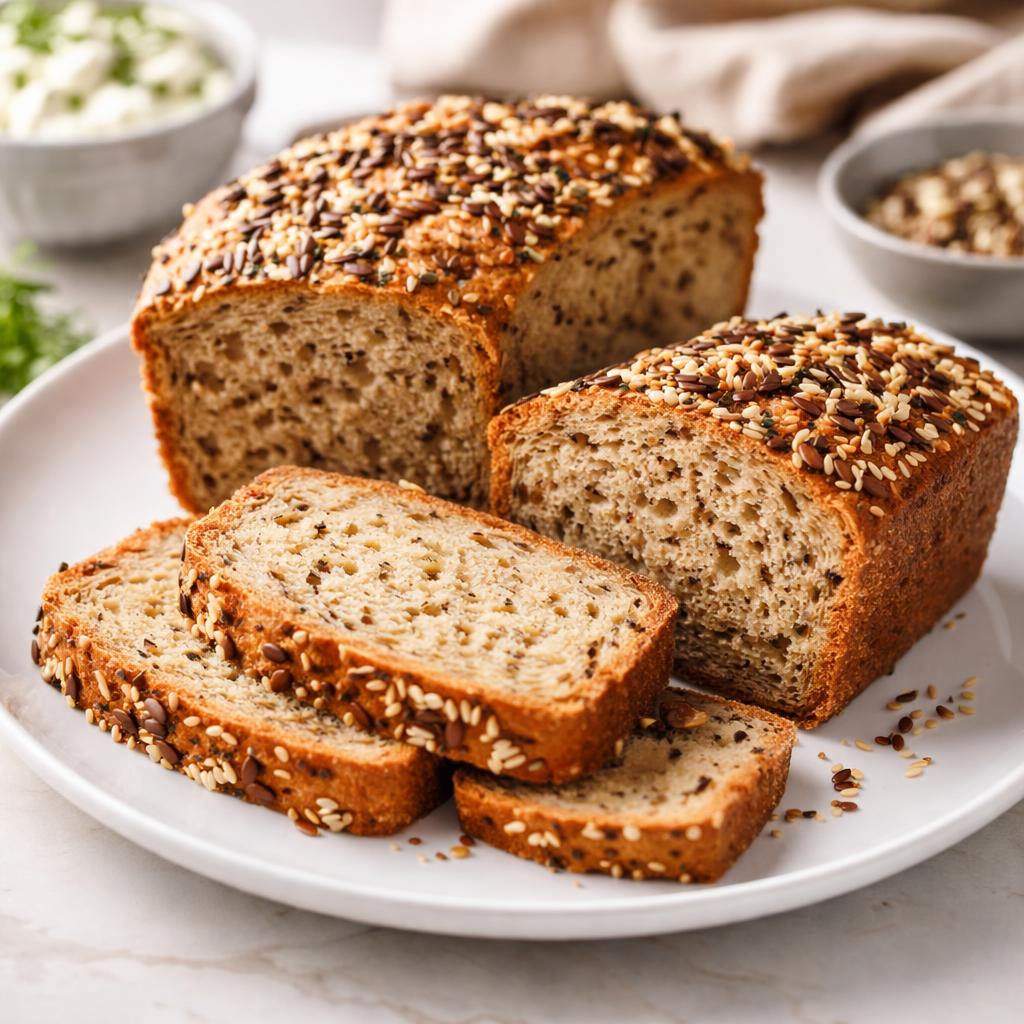
Protein Bread
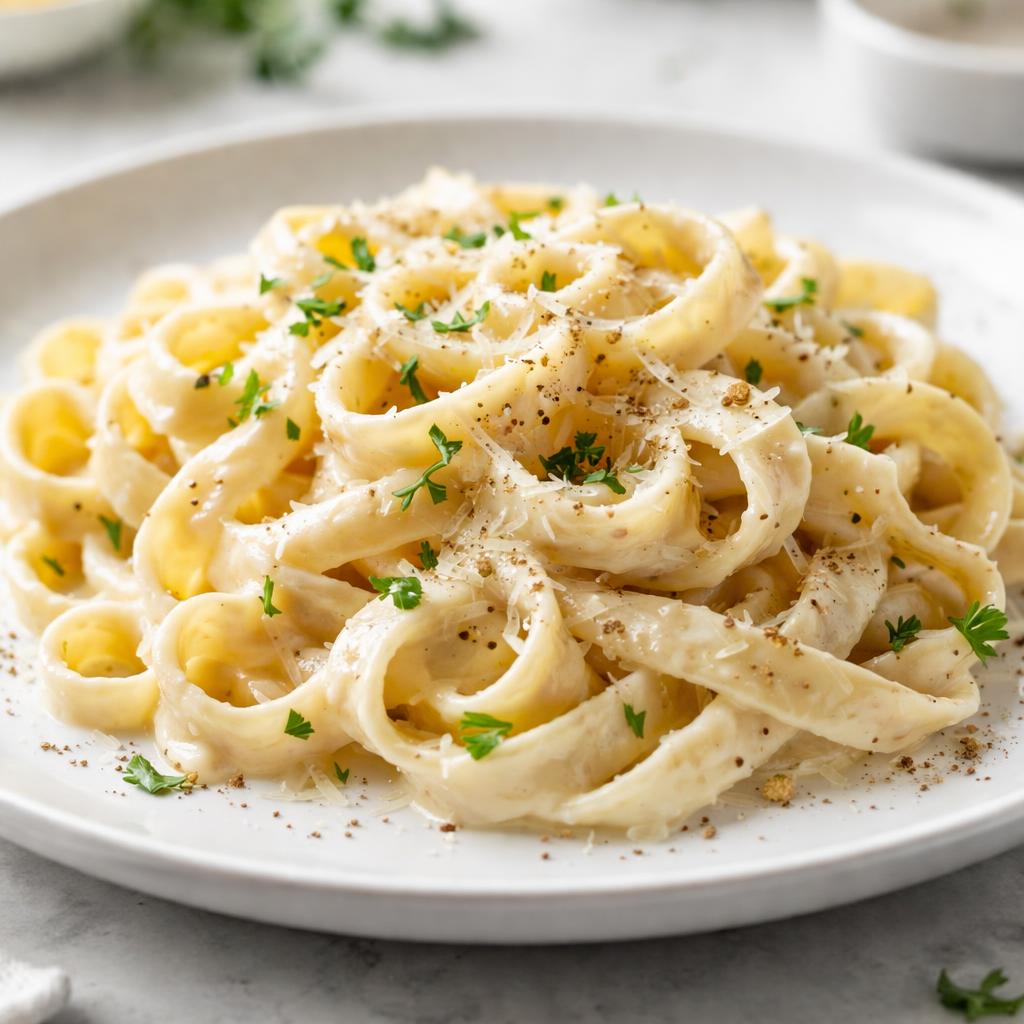
Alfredo Pasta
🎯 Quick Verdict
Protein bread stands out for its high protein and fiber content, making it ideal for weight-conscious or athletic individuals. Alfredo pasta is higher in calories, fat, and carbs but offers creamy richness and energy for active lifestyles or indulgence meals.

Smart Nutrition Tracking with SnapCalorie

📊 Nutritional Comparison
Macronutrients
| Nutrient | Food 1 | Food 2 | Winner |
|---|---|---|---|
| Calories | 120 | 310 | ✓ |
| Protein | 12g | 7g | ✓ |
| Carbs | 12g | 35g | ✓ |
| Fat | 2g | 15g | ✓ |
| Fiber | 5g | 2g | ✓ |
Vitamins & Minerals
| Nutrient | Food 1 | Food 2 | Winner |
|---|---|---|---|
| Vitamin D | 1mcg | 0mcg | ✓ |
| Calcium | 100mg | 280mg | ✓ |
| Iron | 3mg | 2mg | ✓ |
| Vitamin A | 0mcg | 150mcg | ✓ |
🏆 Category Winners
Protein
Protein bread delivers 71% more protein per serving.
Fiber
Fiber content in protein bread is over double that of Alfredo pasta.
Calories
Protein bread contains 61% fewer calories than Alfredo pasta per serving.
Vitamins
Alfredo pasta excels in calcium and vitamin A, while protein bread wins in iron and fiber.
🥗 Diet Compatibility
Keto
Food 1: Not Compatible
Food 2: Not Compatible
Both are too high in carbs for keto-friendly diets.
Vegan
Food 1: Compatible
Food 2: Not Compatible
Protein bread is plant-based, whereas Alfredo pasta typically contains dairy and possibly eggs.
Gluten Free
Food 1: Not Compatible
Food 2: Not Compatible
Neither food is gluten-free unless specifically formulated.
Paleo
Food 1: Not Compatible
Food 2: Not Compatible
Both contain processed ingredients not aligned with Paleo guidelines.
Low Carb
Food 1: Compatible
Food 2: Not Compatible
Protein bread offers significantly lower carbs than Alfredo pasta (12g vs 35g).
💪 Health Benefits Comparison
Food 1 Benefits
- High protein content supports muscle growth and repair.
- Excellent source of dietary fiber for improved digestion.
- Provides iron for better oxygen transport and energy levels.
Food 2 Benefits
- Rich in calcium for bone health.
- Contains healthy fats from cream and cheese, beneficial for energy.
- Good source of vitamin A, improving eye and skin health.
✅ The Bottom Line
Protein bread is optimal for individuals aiming for weight control, digestion support, and high protein intake. Alfredo pasta is better suited for indulgence or active energy needs, providing creamy texture and calorie density. Moderation should be applied as part of balanced diets.
Choose Food 1 for: Weight loss, high-protein diets, post-workout recovery
Choose Food 2 for: Energy replenishment, indulgent meals, calcium intake


