Pita Bread VS Vegetable Rice
A detailed nutritional comparison
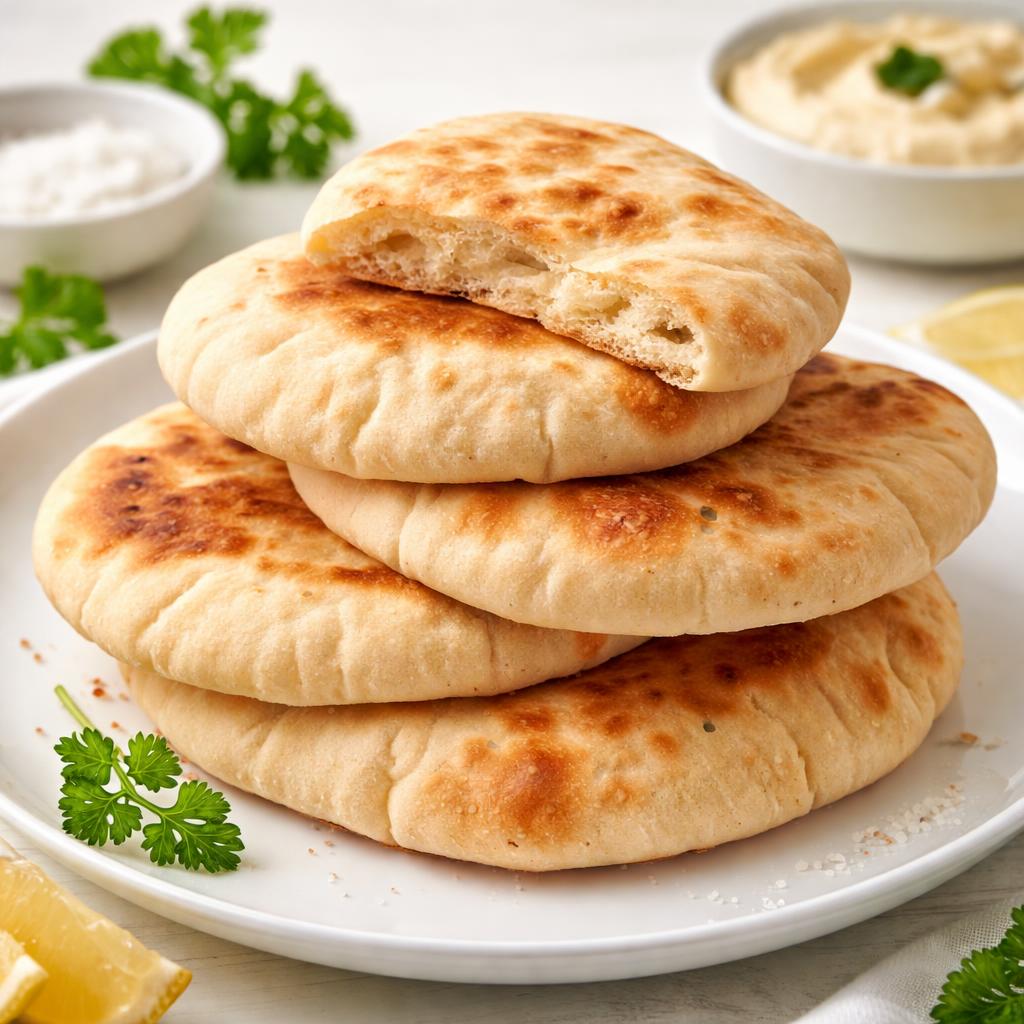
Pita Bread
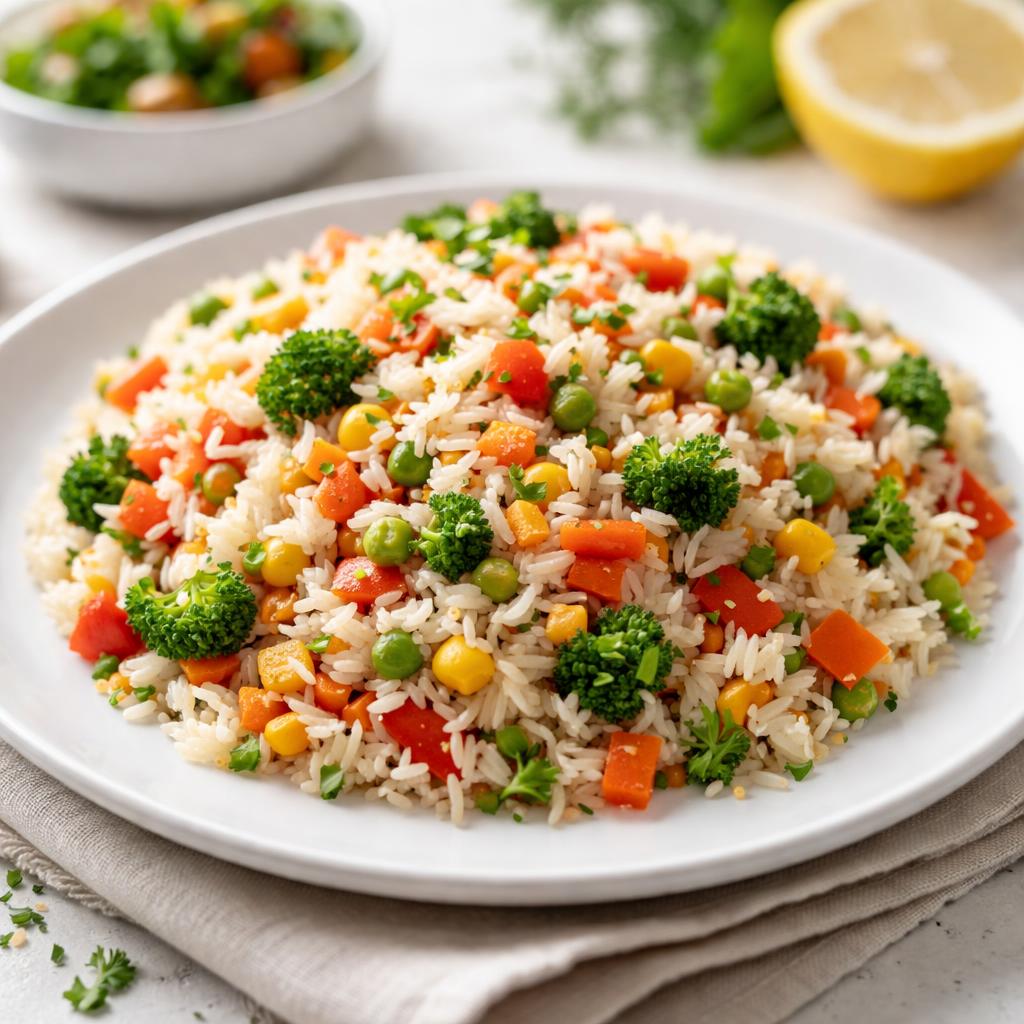
Vegetable Rice
🎯 Quick Verdict
Pita bread is lower in calories and has slightly more protein, making it a better option for those seeking a light and protein-forward meal. Vegetable rice, on the other hand, is richer in fiber due to its vegetable content and provides a greater range of micronutrients, ideal for nutrient density and sustained energy. Both options are versatile and can fit into different dietary goals.

Smart Nutrition Tracking with SnapCalorie

📊 Nutritional Comparison
Macronutrients
| Nutrient | Food 1 | Food 2 | Winner |
|---|---|---|---|
| Calories | − | ||
| Protein | − | ||
| Carbs | − | ||
| Fat | − | ||
| Fiber | − |
Vitamins & Minerals
| Nutrient | Food 1 | Food 2 | Winner |
|---|---|---|---|
| Vitamin A | − | ||
| Vitamin C | − | ||
| Potassium | − |
🏆 Category Winners
Protein
Pita bread has 66% more protein per serving.
Fiber
Vegetable rice contains 50% more fiber, supporting better digestion.
Calories
Pita bread has 17% fewer calories per serving.
Vitamins
Vegetable rice provides significantly more micronutrients, including Vitamin A, C, and potassium.
🥗 Diet Compatibility
Keto
Food 1: Unknown
Food 2: Unknown
Both are moderate-to-high in carbs and do not fit ketogenic macros.
Vegan
Food 1: Unknown
Food 2: Unknown
Both foods are entirely plant-based.
Gluten Free
Food 1: Unknown
Food 2: Unknown
Pita bread contains gluten, while vegetable rice is naturally gluten-free.
Paleo
Food 1: Unknown
Food 2: Unknown
Pita bread is processed and made with grains, while vegetable rice is whole-food based.
Low Carb
Food 1: Unknown
Food 2: Unknown
Both are fairly high in carbohydrates and are not suitable for low-carb diets.
💪 Health Benefits Comparison
Food 1 Benefits
Food 2 Benefits
✅ The Bottom Line
Choose pita bread for lower calorie and higher protein content, especially if you need a quick and light option. Vegetable rice is a better choice for those prioritizing fiber intake and micronutrient variety. Both are versatile and can be incorporated into balanced meals.


