Pita Bread VS Rice Bowl
A detailed nutritional comparison
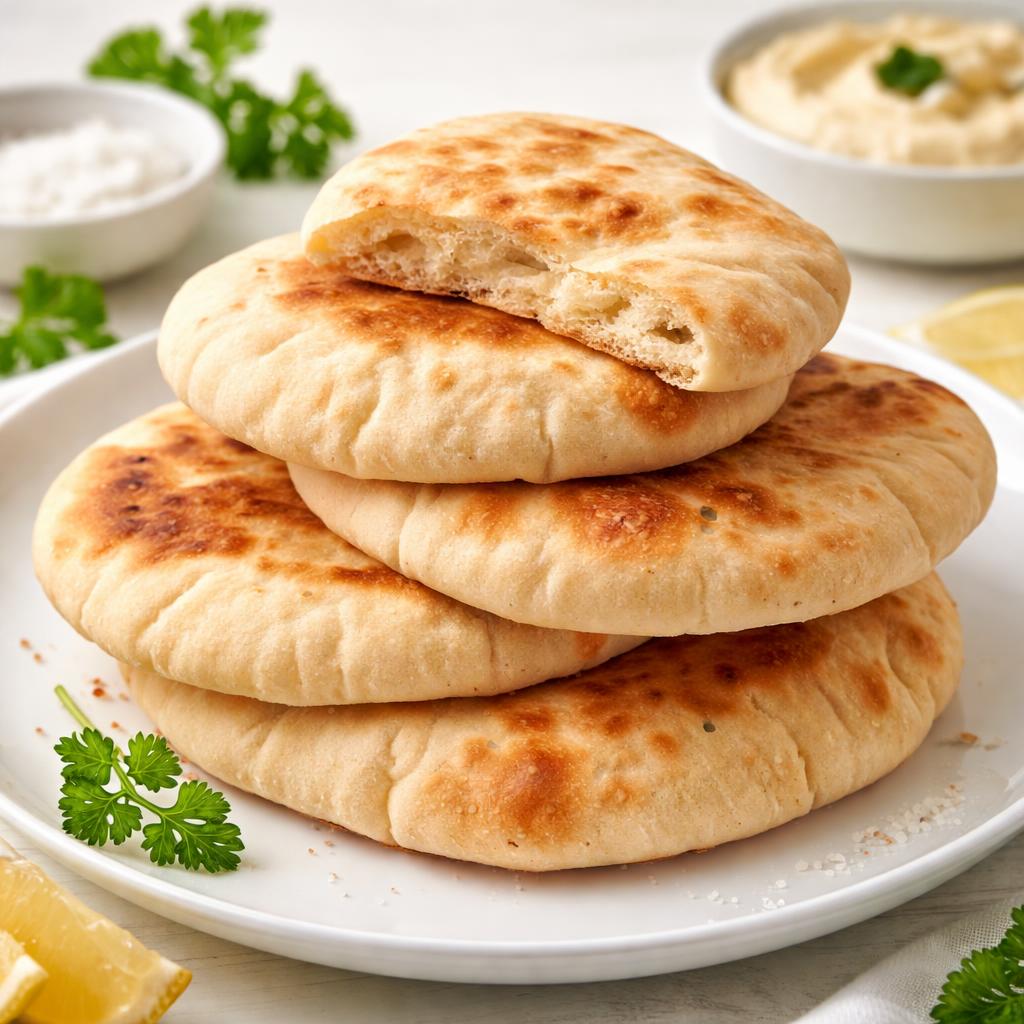
Pita Bread
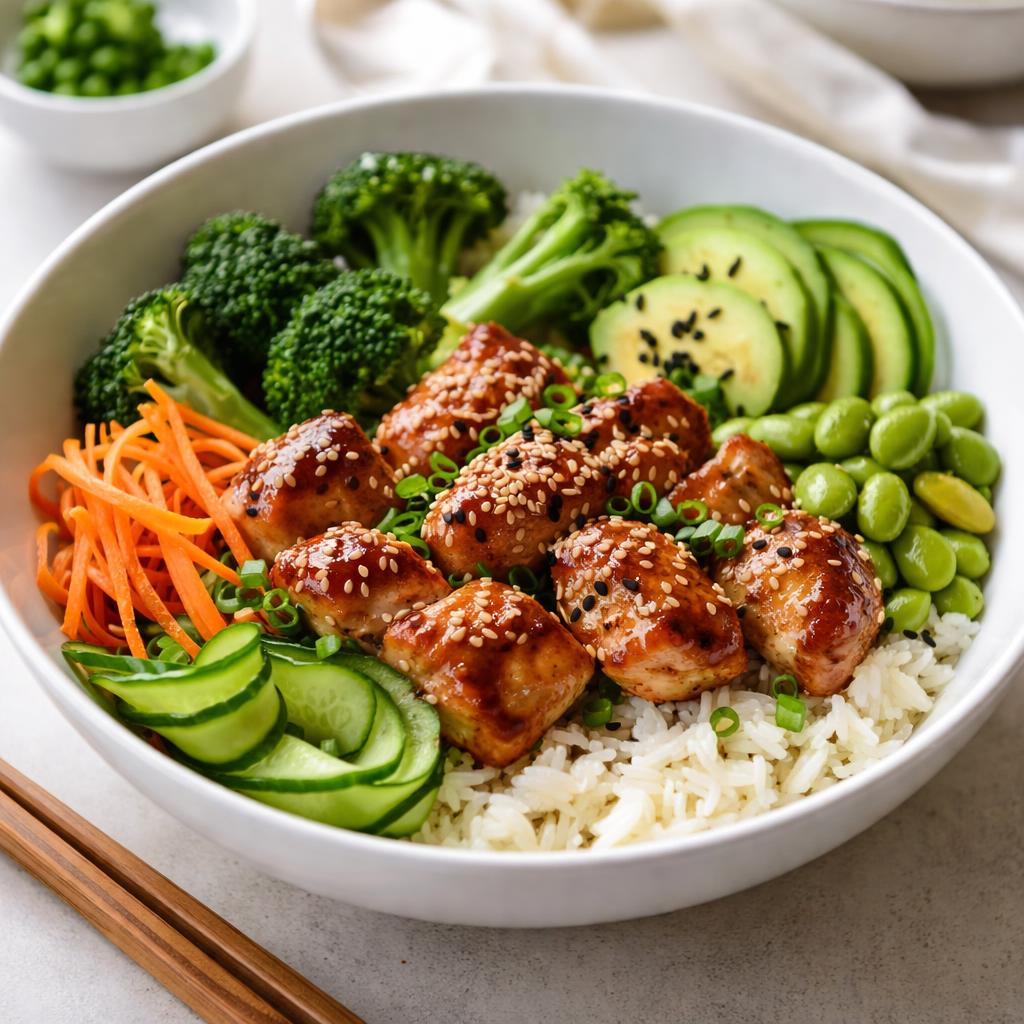
Rice Bowl
🎯 Quick Verdict
Pita bread is generally lower in calories and provides more protein and fiber per serving, ideal for balanced diets and weight management. Rice bowls, however, are rich in carbohydrates for sustained energy, making them suitable for active lifestyles or as a filling meal option. Both have unique strengths depending on dietary goals.

Smart Nutrition Tracking with SnapCalorie

📊 Nutritional Comparison
Macronutrients
| Nutrient | Food 1 | Food 2 | Winner |
|---|---|---|---|
| Calories | 170 | 250 | ✓ |
| Protein | 6g | 4g | ✓ |
| Carbs | 33g | 55g | ✓ |
| Fat | 2g | 3g | ✓ |
| Fiber | 2g | 1g | ✓ |
Vitamins & Minerals
| Nutrient | Food 1 | Food 2 | Winner |
|---|---|---|---|
| Vitamin D | 0mcg | 0mcg | − |
| Calcium | 50mg | 10mg | ✓ |
| Iron | 1.5mg | 1mg | ✓ |
🏆 Category Winners
Protein
Pita bread has 50% more protein per serving compared to the rice bowl.
Fiber
Pita bread contains twice as much fiber, which supports digestion.
Calories
Pita bread has 32% fewer calories than a rice bowl, making it lighter.
🥗 Diet Compatibility
Keto
Food 1: Not Compatible
Food 2: Not Compatible
Both are high in carbohydrates and not suitable for keto diets.
Vegan
Food 1: Compatible
Food 2: Compatible
Both are plant-based when prepared traditionally.
Gluten Free
Food 1: Not Compatible
Food 2: Compatible
Rice bowls are inherently gluten-free, while pita bread contains gluten.
Paleo
Food 1: Not Compatible
Food 2: Compatible
Rice fits paleo guidelines, but pita bread made from wheat is not allowed.
Low-Carb
Food 1: Not Compatible
Food 2: Not Compatible
Both foods have substantial carb content.
💪 Health Benefits Comparison
Food 1 Benefits
- Lower in calories, supporting weight management.
- Contains more protein, aiding muscle repair and maintenance.
- Provides dietary fiber for digestion and gut health.
Food 2 Benefits
- High in carbohydrates for sustained energy and replenishing glycogen stores.
- Contains trace minerals like manganese and selenium, important for enzyme function.
- Naturally gluten-free and suitable for those with celiac disease or gluten intolerance.
✅ The Bottom Line
Pita bread shines for those seeking higher protein, fiber, and lower calories, making it a great choice for meals focused on weight management or balanced nutrition. Rice bowls, on the other hand, are better for those needing sustained energy, such as athletes or individuals with physically demanding days. Choosing between the two depends on your dietary goals.
Choose Food 1 for: Weight management, light meals, balanced diets
Choose Food 2 for: Energy-heavy days, athletes, gluten-free diets


