Pesto Pasta VS Walnut Bread
A detailed nutritional comparison
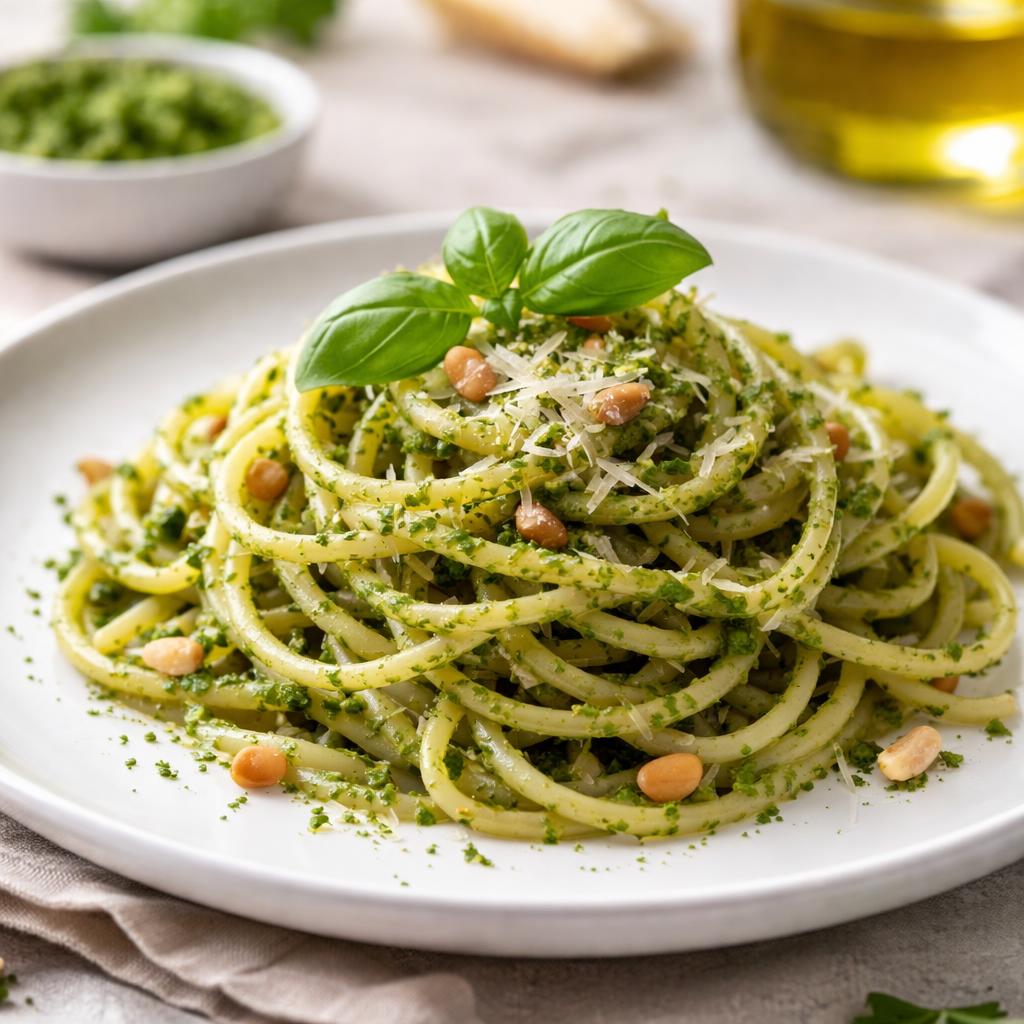
Pesto Pasta
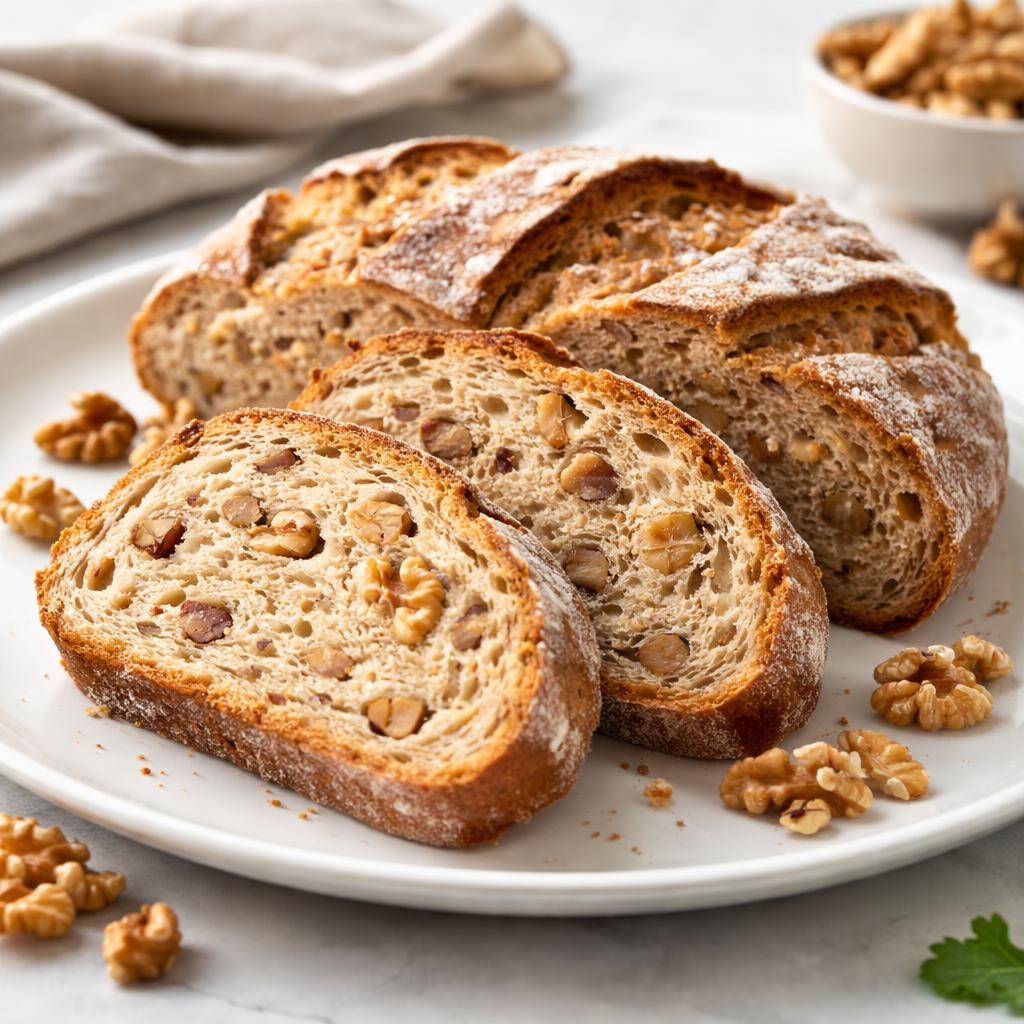
Walnut Bread
🎯 Quick Verdict
Pesto pasta is higher in calories and offers a more balanced macronutrient profile with moderate protein and carbohydrates. Walnut bread provides fewer calories, significantly more fiber, and healthy fats, making it more nutrient-dense. Pesto pasta is ideal for an energy-dense meal, while walnut bread is good for digestive health and heart-friendly fats.

Smart Nutrition Tracking with SnapCalorie

📊 Nutritional Comparison
Macronutrients
| Nutrient | Food 1 | Food 2 | Winner |
|---|---|---|---|
| Calories | 370 per 1 cup (150g) | 250 per slice (70g) | ✓ |
| Protein | 8g | 8g | − |
| Carbs | 45g | 30g | ✓ |
| Fat | 15g | 12g | ✓ |
| Fiber | 2g | 4g | ✓ |
Vitamins & Minerals
| Nutrient | Food 1 | Food 2 | Winner |
|---|---|---|---|
| Vitamin D | 0mcg | 0mcg | − |
| Calcium | 200mg | 70mg | ✓ |
| Iron | 1.5mg | 2mg | ✓ |
🏆 Category Winners
Protein
Both foods offer 8g of protein per serving.
Fiber
Walnut bread has double the fiber of pesto pasta.
Calories
Walnut bread has 120 fewer calories per serving.
Vitamins
Pesto pasta has more calcium, which supports bone health.
🥗 Diet Compatibility
Keto
Food 1: Not Compatible
Food 2: Not Compatible
Both foods are moderate to high in carbohydrates.
Vegan
Food 1: Not Compatible
Food 2: Compatible
Pesto pasta often contains dairy-based pesto, while walnut bread can be made vegan.
Gluten Free
Food 1: Not Compatible
Food 2: Not Compatible
Both foods are made with gluten-based ingredients.
Paleo
Food 1: Not Compatible
Food 2: Not Compatible
Both foods include processed grains not allowed in the paleo diet.
Low-Carb
Food 1: Not Compatible
Food 2: Partially Compatible
Walnut bread has lower carbs but is not strictly low-carb.
💪 Health Benefits Comparison
Food 1 Benefits
- High in energy, suitable for active individuals or post-workout recovery
- Good source of calcium for strong bones
- Contains healthy fats from pesto for heart health
Food 2 Benefits
- Rich in fiber for digestive health
- Contains healthy, plant-based fats from walnuts for heart health
- Provides antioxidants and minerals, especially iron for improved oxygen transport
✅ The Bottom Line
If you're looking for a hearty, energy-dense meal with moderate protein and good fats, pesto pasta is an excellent choice. On the other hand, walnut bread is lower in calories, richer in fiber, and packed with heart-healthy fats, making it better for lighter snacks or digestion-focused diets.
Choose Food 1 for: Energy boost, post-workout recovery, comfort meal
Choose Food 2 for: Heart health, lighter meals, digestive health


