Pesto Pasta VS Pita Bread
A detailed nutritional comparison
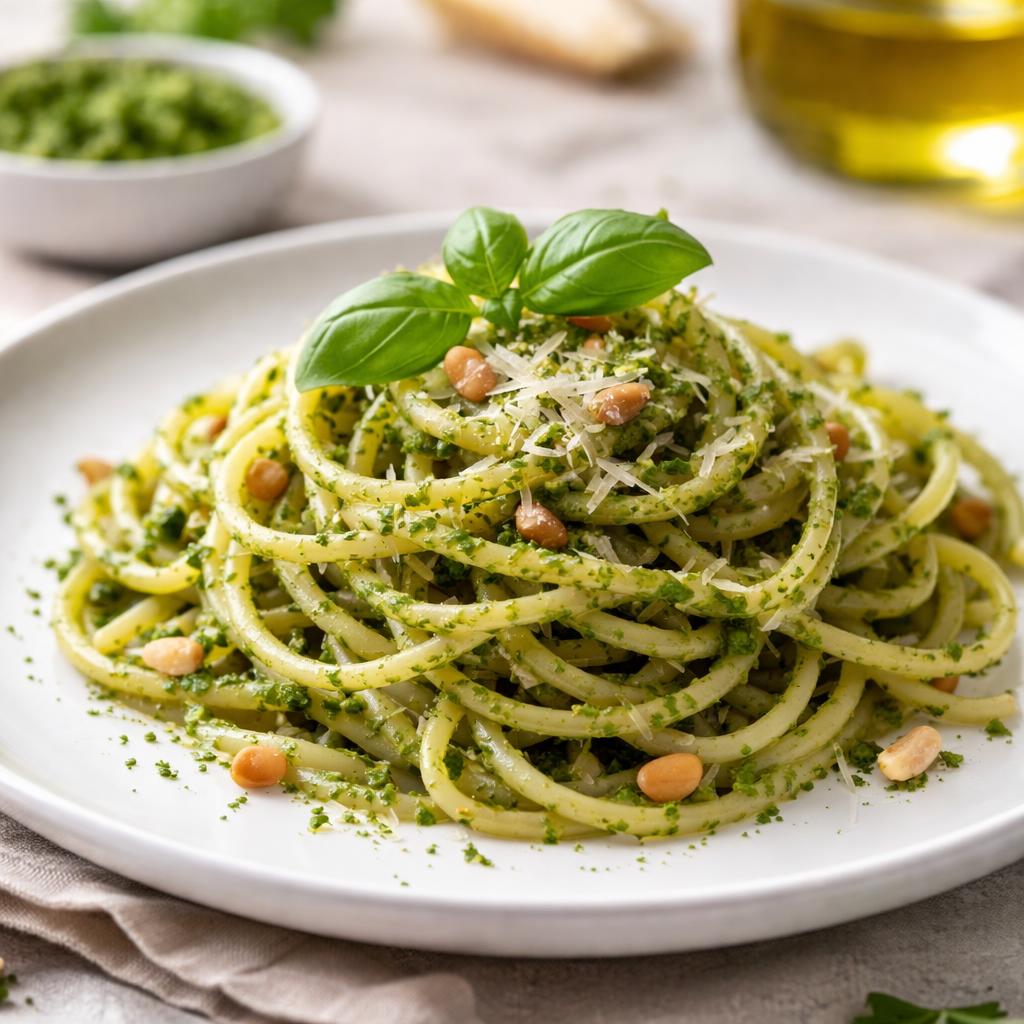
Pesto Pasta
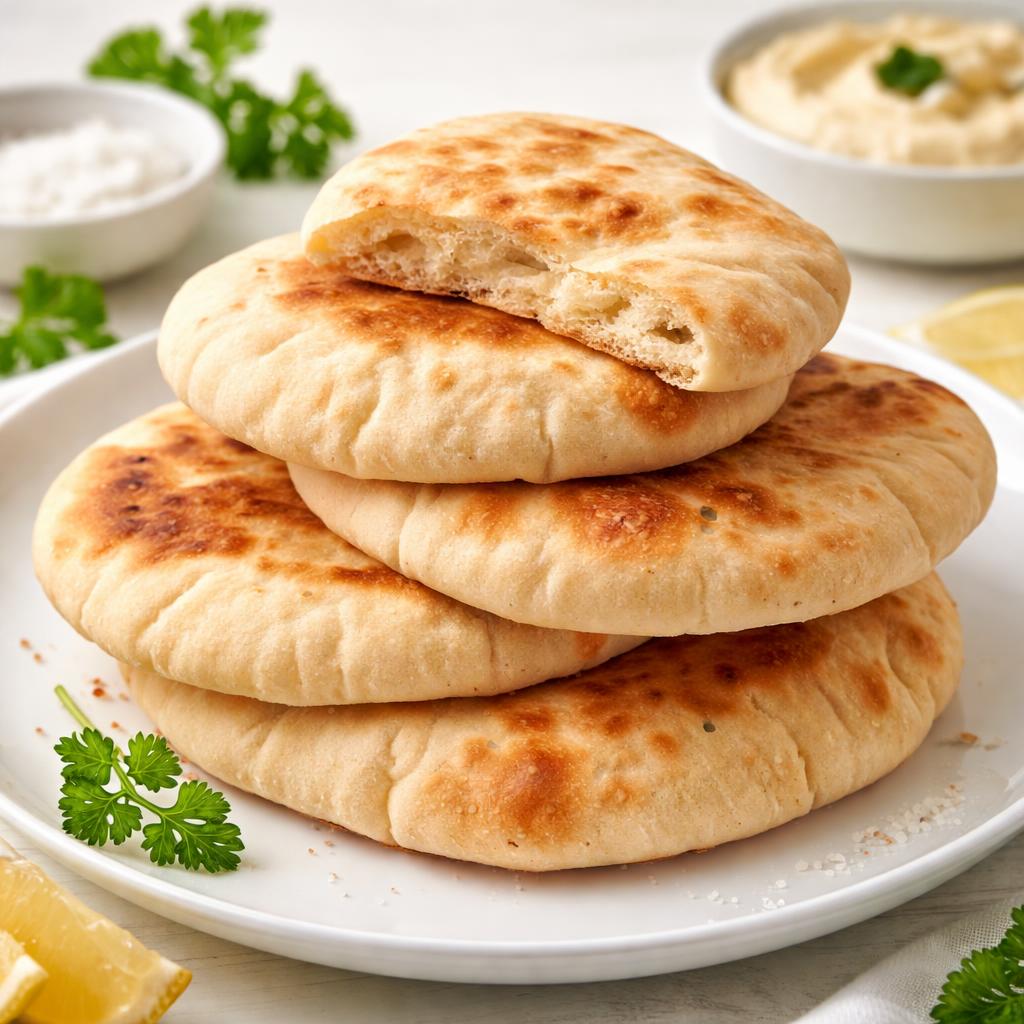
Pita Bread
🎯 Quick Verdict
Pesto pasta is higher in calories and fat due to its rich pesto sauce, making it more suitable for energy-dense meals, while pita bread provides more protein and fewer calories, ideal for lighter meals or use in wraps. Both foods have balanced fiber content, but pesto pasta offers more micronutrients like calcium and vitamin D thanks to the cheese and nuts in pesto. Choose based on your energy needs and meal type.

Smart Nutrition Tracking with SnapCalorie

📊 Nutritional Comparison
Macronutrients
| Nutrient | Food 1 | Food 2 | Winner |
|---|---|---|---|
| Calories | 350 | 180 | ✓ |
| Protein | 8g | 10g | ✓ |
| Carbs | 40g | 35g | ✓ |
| Fat | 17g | 1g | ✓ |
| Fiber | 4g | 4g | − |
Vitamins & Minerals
| Nutrient | Food 1 | Food 2 | Winner |
|---|---|---|---|
| Vitamin D | 2mcg | 0mcg | ✓ |
| Calcium | 150mg | 50mg | ✓ |
| Iron | 2mg | 2.5mg | ✓ |
🏆 Category Winners
Protein
Food2 has 25% more protein, making it better for muscle support.
Fiber
Both foods contain equal amounts of fiber, supporting digestion.
Calories
Food2 provides roughly 50% fewer calories, ideal for calorie-conscious diets.
Vitamins
Food1 is richer in calcium and vitamin D due to its cheese-based pesto sauce.
🥗 Diet Compatibility
Keto
Food 1: Not Compatible
Food 2: Not Compatible
Neither food is low-carb.
Vegan
Food 1: Not Compatible
Food 2: Compatible
Food1 contains cheese; food2 does not contain animal products.
Gluten Free
Food 1: Not Compatible
Food 2: Not Compatible
Both foods contain gluten from wheat.
Paleo
Food 1: Not Compatible
Food 2: Not Compatible
Both foods use processed grains which are not Paleo-friendly.
Low-Carb
Food 1: Not Compatible
Food 2: Not Compatible
Both have moderate to high carb content (35-40g per serving).
💪 Health Benefits Comparison
Food 1 Benefits
- Rich in healthy fats from olive oil and nuts for brain and heart health
- Provides calcium for bone strength
- Offers vitamin D for immune support
Food 2 Benefits
- Good source of protein for muscle repair
- Low in fat for weight management
- Contains iron for improved oxygen transport in the body
✅ The Bottom Line
Choose pesto pasta for energy-dense meals, nutrient-rich dining, or when calcium and healthy fats are priorities. Opt for pita bread if you want a lower-calorie, higher-protein option suitable for wraps or light meals.
Choose Food 1 for: Active individuals, nutrient-dense meals, flavorful pasta dishes
Choose Food 2 for: Weight management, high-protein snacks, versatile meal bases (e.g., wraps, dips)


