Pesto Pasta VS Olive Bread
A detailed nutritional comparison
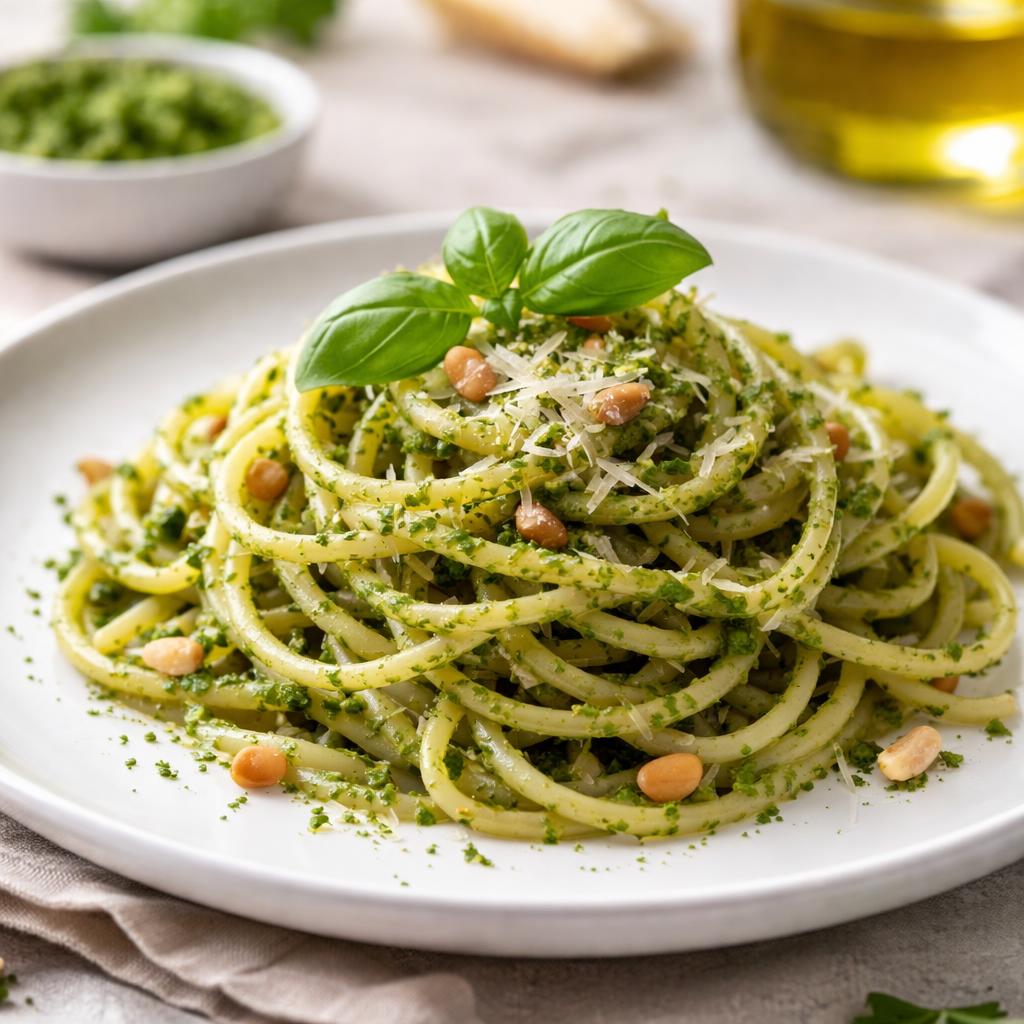
Pesto Pasta
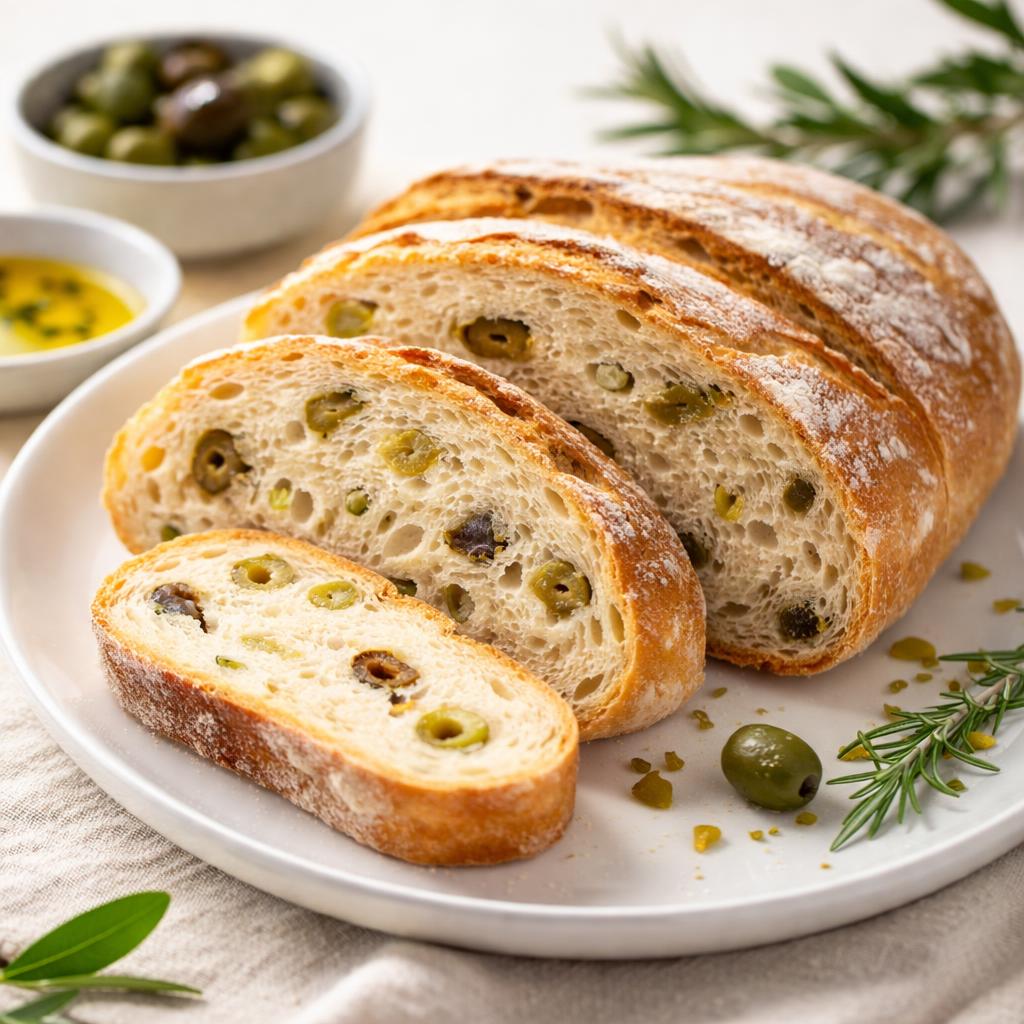
Olive Bread
🎯 Quick Verdict
Olive bread is the overall winner due to its lower calorie count, higher protein, and fiber content compared to pesto pasta. Pesto pasta is richer in healthy fats and carbohydrates, making it ideal for energy-intensive activities, while olive bread is a more nutrient-dense, versatile option for balanced meals or snacks.

Smart Nutrition Tracking with SnapCalorie

📊 Nutritional Comparison
Macronutrients
| Nutrient | Food 1 | Food 2 | Winner |
|---|---|---|---|
| Calories | 350 | 250 | ✓ |
| Protein | 10g | 12g | ✓ |
| Carbs | 40g | 32g | ✓ |
| Fat | 18g | 7g | ✓ |
| Fiber | 2g | 4g | ✓ |
Vitamins & Minerals
| Nutrient | Food 1 | Food 2 | Winner |
|---|---|---|---|
| Vitamin E | 1mg | 2mg | ✓ |
| Vitamin C | 0.5mg | 0.2mg | ✓ |
| Calcium | 50mg | 70mg | ✓ |
| Iron | 1.5mg | 2mg | ✓ |
🏆 Category Winners
Protein
Olive bread contains 20% more protein per serving than pesto pasta.
Fiber
Olive bread has 100% more fiber per serving.
Calories
Olive bread has 29% fewer calories per serving than pesto pasta.
Vitamins
Olive bread offers higher levels of calcium, iron, and vitamin E compared to pesto pasta.
🥗 Diet Compatibility
Keto
Food 1: Not Compatible
Food 2: Not Compatible
Both foods are high in carbohydrates.
Vegan
Food 1: Not Compatible
Food 2: Not Compatible
Pesto often contains cheese, and olive bread may use dairy-based ingredients.
Gluten Free
Food 1: Not Compatible
Food 2: Not Compatible
Both foods contain wheat-based products.
Paleo
Food 1: Not Compatible
Food 2: Not Compatible
Both foods include grains, which are not allowed on a paleo diet.
Low-Carb
Food 1: Not Compatible
Food 2: Not Compatible
Both have relatively high carbohydrate content per serving.
💪 Health Benefits Comparison
Food 1 Benefits
- Rich in healthy fats from pesto for heart health
- Provides quick energy due to high carbohydrate content
- Contains antioxidants from basil and olive oil
- Good source of flavor-enhancing nutrients
Food 2 Benefits
- High in fiber for improved digestion
- Good source of protein for muscle repair and growth
- Contains monounsaturated fats from olives for heart health
- Rich in minerals like iron and calcium
✅ The Bottom Line
Olive bread provides a better balance of nutrients, including protein, fiber, and lower calories, making it the preferred choice for those seeking a nutrient-dense and lower-calorie snack or side. Pesto pasta, on the other hand, is ideal for energy-demanding meals due to its higher carbohydrate and fat content.
Choose Food 1 for: Pre-workout meals, energy-intensive activities, flavorful indulgence
Choose Food 2 for: Balanced meals, digestion support, heart health-focused diets


