Pesto Pasta VS Bread Toast
A detailed nutritional comparison
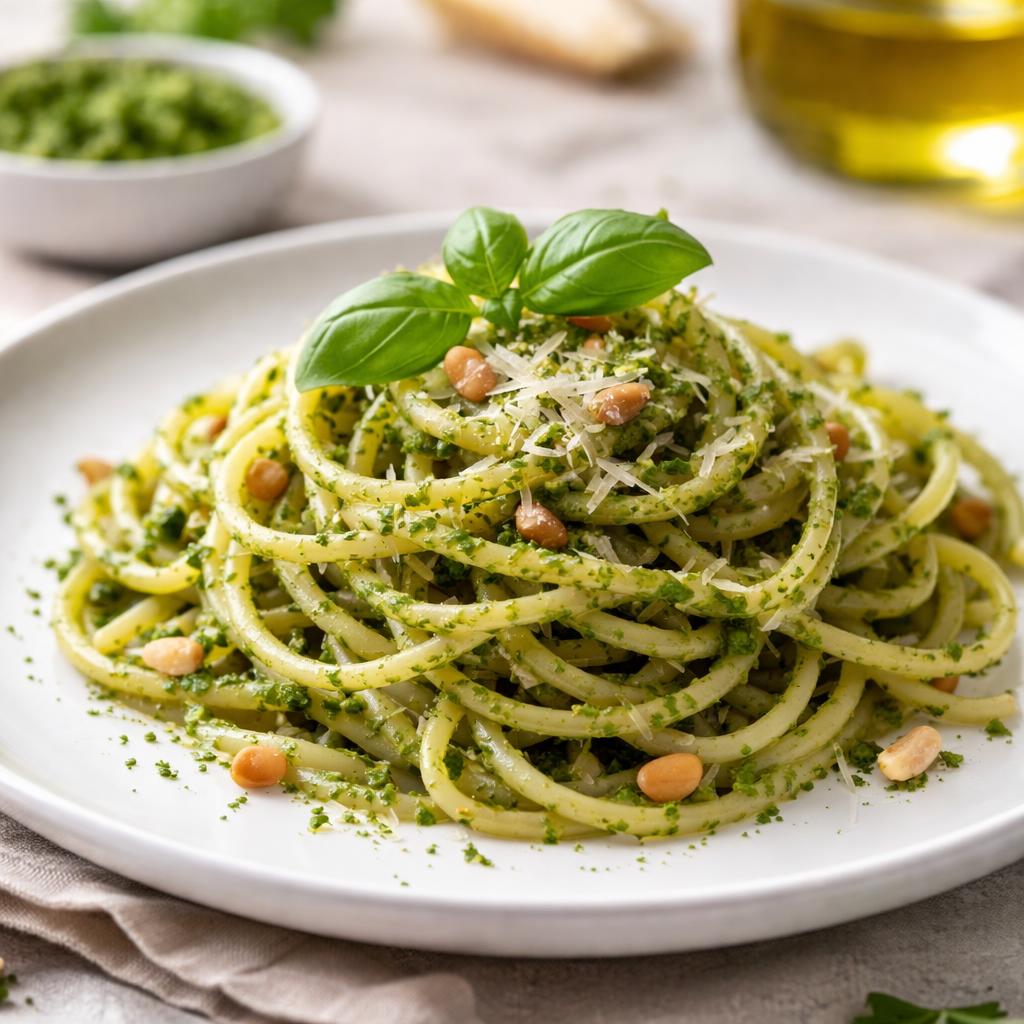
Pesto Pasta
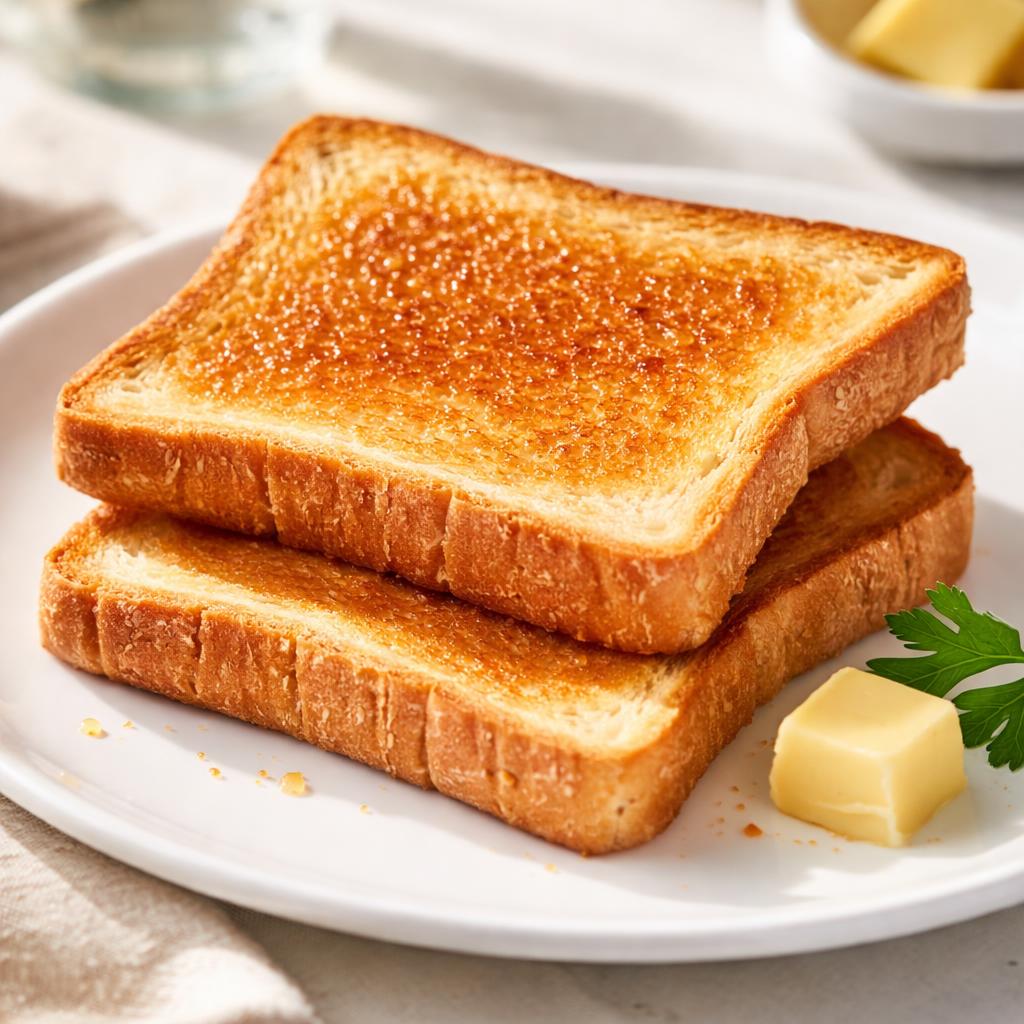
Bread Toast
🎯 Quick Verdict
Pesto pasta offers higher protein and a more balanced macronutrient profile, making it ideal for sustaining energy and muscle maintenance. Bread toast is lower in calories and richer in fiber, suitable for light snacks or digestive health. Both foods have distinct benefits depending on dietary goals and preferences.

Smart Nutrition Tracking with SnapCalorie

📊 Nutritional Comparison
Macronutrients
| Nutrient | Food 1 | Food 2 | Winner |
|---|---|---|---|
| Calories | 350 | 150 | ✓ |
| Protein | 10g | 5g | ✓ |
| Carbs | 45g | 25g | ✓ |
| Fat | 18g | 5g | ✓ |
| Fiber | 3g | 4g | ✓ |
Vitamins & Minerals
| Nutrient | Food 1 | Food 2 | Winner |
|---|---|---|---|
| Vitamin A | 50mcg | 10mcg | ✓ |
| Vitamin D | 2mcg | 0mcg | ✓ |
| Calcium | 100mg | 20mg | ✓ |
| Iron | 2mg | 3mg | ✓ |
🏆 Category Winners
Protein
Pesto pasta offers 100% more protein per serving compared to bread toast.
Fiber
Bread toast provides 33% more fiber per serving than pesto pasta.
Calories
Bread toast has 57% fewer calories compared to pesto pasta.
Vitamins
Pesto pasta provides significantly more vitamin A, D, and calcium overall.
🥗 Diet Compatibility
Keto
Food 1: Not Compatible
Food 2: Not Compatible
Both are high-carb foods and unsuitable for ketogenic diets.
Vegan
Food 1: Not Compatible
Food 2: Compatible
Pesto typically contains dairy, while bread toast can be made dairy-free.
Gluten Free
Food 1: Not Compatible
Food 2: Not Compatible
Both foods contain gluten unless made with alternative ingredients.
Paleo
Food 1: Not Compatible
Food 2: Not Compatible
Both foods rely on grains, which are not allowed in paleo diets.
Low-Carb
Food 1: Not Compatible
Food 2: Not Compatible
Both foods are relatively high in carbohydrates.
💪 Health Benefits Comparison
Food 1 Benefits
- Provides a good source of protein for muscle maintenance
- Rich in healthy fats from olive oil and nuts in pesto
- Offers various vitamins such as Vitamin A and calcium for bone health
Food 2 Benefits
- Lower in calories, making it ideal for weight control
- Higher fiber content for better digestion
- Versatile and easy to pair with nutrient-rich toppings such as avocado or peanut butter
✅ The Bottom Line
Pesto pasta is better for those seeking balanced nutrition with higher protein and fat. Bread toast, on the other hand, excels for lighter meals, fiber, and calorie-conscious diets. Choose pesto pasta for a more filling and nutrient-dense option, and bread toast for light, customizable snacks or breakfast.
Choose Food 1 for: High-protein meals, sustaining energy, post-workout
Choose Food 2 for: Snack options, fiber-rich diets, lower calorie intake


