Penne Pasta With Tomato Sauce VS Tuna Pasta
A detailed nutritional comparison
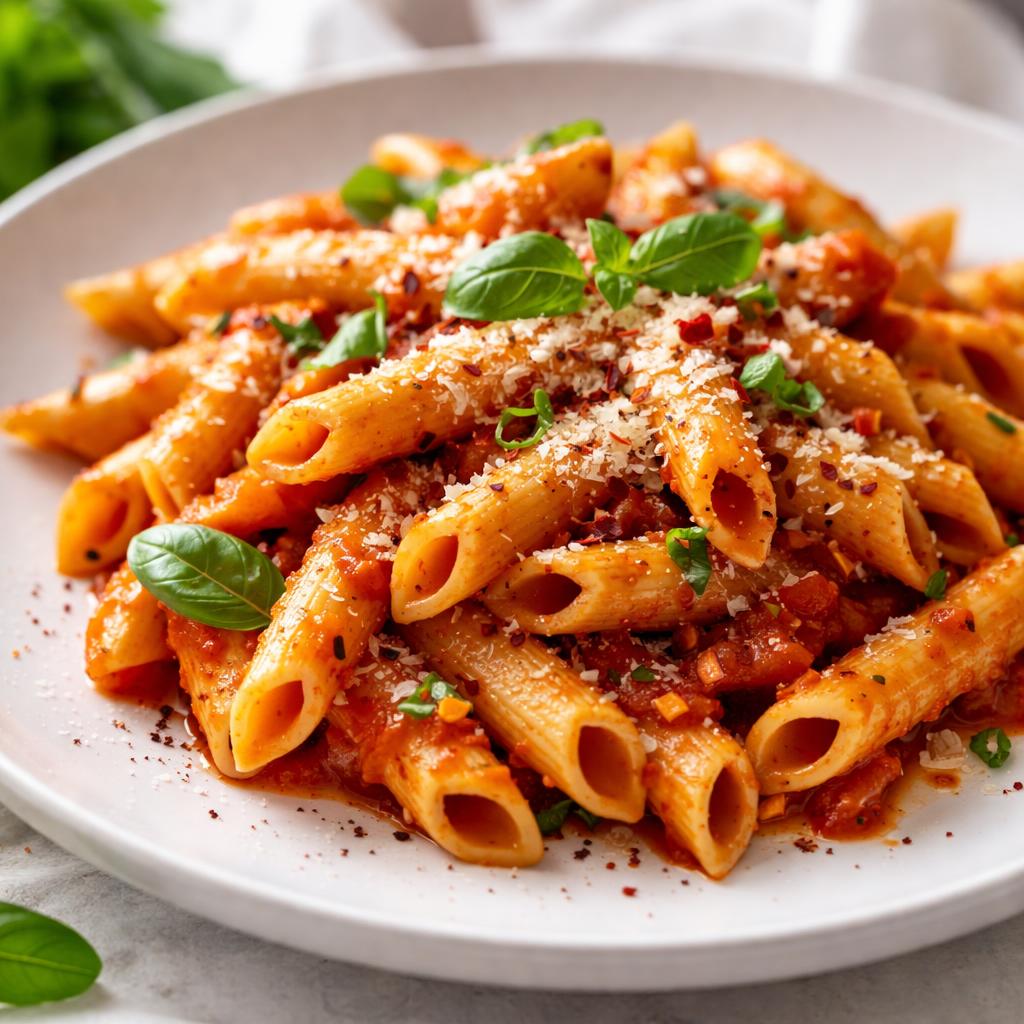
Penne Pasta With Tomato Sauce
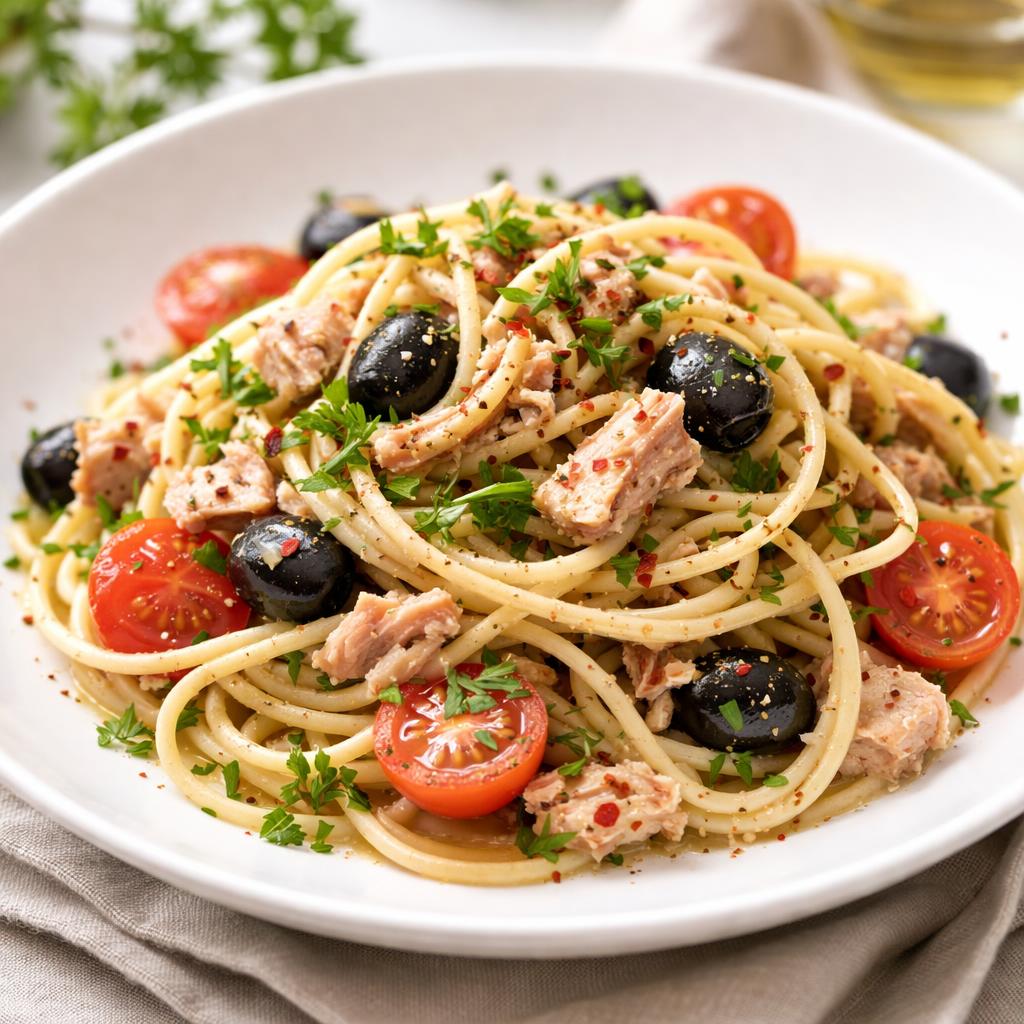
Tuna Pasta
🎯 Quick Verdict
Tuna pasta delivers significantly more protein and healthy fats, making it ideal for muscle repair and energy. Penne pasta with tomato sauce, however, is lower in calories and higher in fiber, making it better suited for digestion and weight management. Both have distinct nutritional profiles depending on dietary preferences and goals.

Smart Nutrition Tracking with SnapCalorie

📊 Nutritional Comparison
Macronutrients
| Nutrient | Food 1 | Food 2 | Winner |
|---|---|---|---|
| Calories | 220 | 350 | ✓ |
| Protein | 6g | 22g | ✓ |
| Carbs | 40g | 35g | ✓ |
| Fat | 3g | 12g | ✓ |
| Fiber | 4g | 2g | ✓ |
Vitamins & Minerals
| Nutrient | Food 1 | Food 2 | Winner |
|---|---|---|---|
| Vitamin A | 40mcg | 20mcg | ✓ |
| Vitamin D | 0mcg | 3mcg | ✓ |
| Calcium | 40mg | 15mg | ✓ |
| Iron | 1mg | 1.5mg | ✓ |
🏆 Category Winners
Protein
Food2 contains nearly 4x more protein, making it ideal for muscle synthesis.
Fiber
Food1 offers double the fiber, supporting digestive health.
Calories
Food1 is lower in calories, helpful for weight management.
Vitamins
Both offer unique benefits: Food1 is better for Vitamin A and Calcium, while Food2 excels in Vitamin D and Iron.
🥗 Diet Compatibility
Keto
Food 1: Not Compatible
Food 2: Not Compatible
Both are high in carbs.
Vegan
Food 1: Compatible
Food 2: Not Compatible
Food1 is plant-based, while Food2 contains tuna.
Gluten Free
Food 1: Not Compatible
Food 2: Not Compatible
Both use wheat-based pasta unless gluten-free alternatives are substituted.
Paleo
Food 1: Not Compatible
Food 2: Not Compatible
Both contain grains, which are excluded in paleo diets.
Low-Carb
Food 1: Not Compatible
Food 2: Not Compatible
Both have over 30g of carbs per serving.
💪 Health Benefits Comparison
Food 1 Benefits
- Rich in fiber for better digestion
- Low in fat and calories, suitable for weight management
- Contains Vitamin A for eye health
Food 2 Benefits
- High protein content supports muscle repair and growth
- Provides healthy fats for heart health and energy
- Rich in Vitamin D, promoting bone strength and immune function
✅ The Bottom Line
Choose penne pasta with tomato sauce for a lighter, fiber-rich meal better suited for digestion and weight management. Opt for tuna pasta if you need high protein for muscle building or energy-intensive activities. Both can fit into a balanced diet depending on your specific goals.
Choose Food 1 for: Weight management, light meals, vegetarian diets
Choose Food 2 for: Muscle building, post-workout recovery, heart health


