Penne Pasta VS Chickpea Pasta
A detailed nutritional comparison
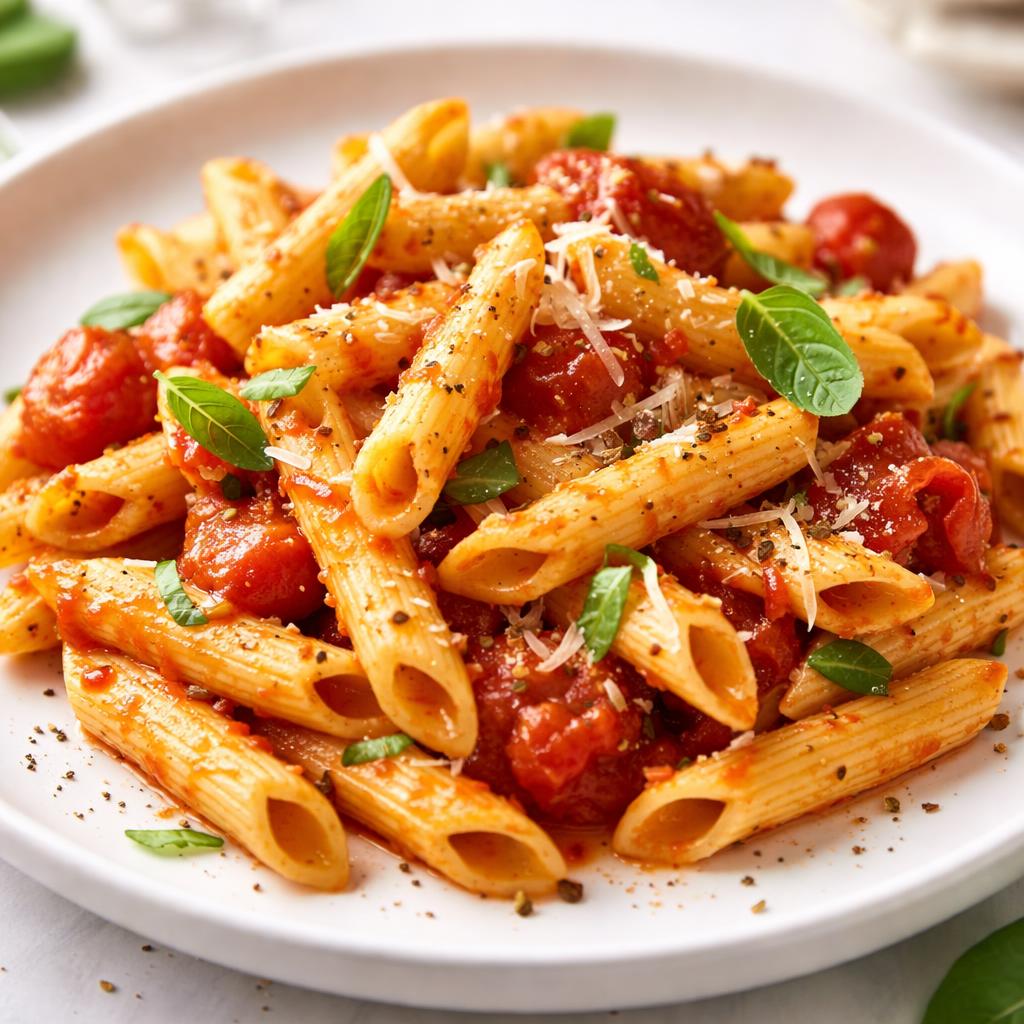
Penne Pasta
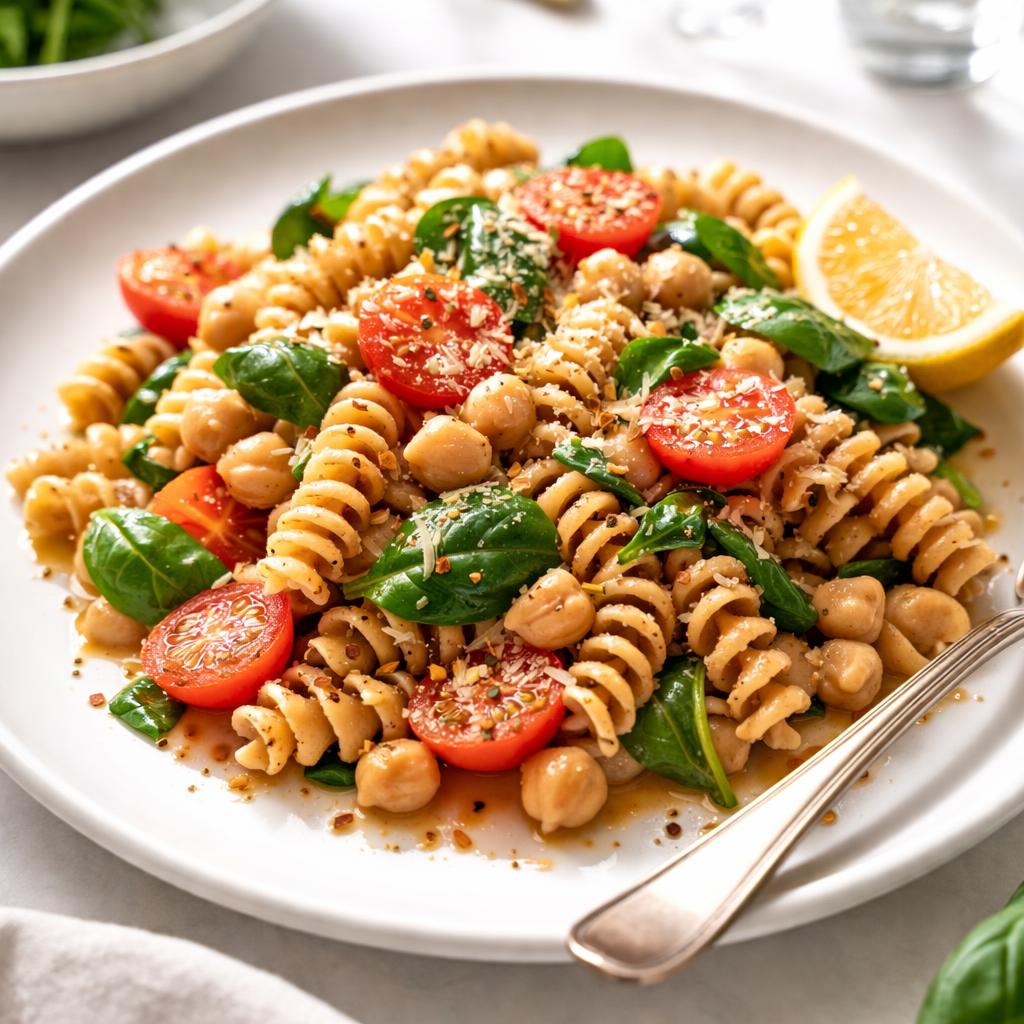
Chickpea Pasta
🎯 Quick Verdict
Chickpea pasta outperforms traditional penne pasta in several key nutritional areas. It provides significantly more protein and fiber while being lower in calories and carbohydrates, making it a better choice for high-protein, high-fiber diets. Penne pasta, however, is less expensive and works well for traditional pasta dishes.

Smart Nutrition Tracking with SnapCalorie

📊 Nutritional Comparison
Macronutrients
| Nutrient | Food 1 | Food 2 | Winner |
|---|---|---|---|
| Calories | 200 | 170 | ✓ |
| Protein | 7g | 13g | ✓ |
| Carbs | 42g | 32g | ✓ |
| Fat | 1.5g | 3g | ✓ |
| Fiber | 2g | 8g | ✓ |
Vitamins & Minerals
| Nutrient | Food 1 | Food 2 | Winner |
|---|---|---|---|
| Vitamin B1 (Thiamin) | 0.2mg | 0.4mg | ✓ |
| Iron | 1mg | 3.5mg | ✓ |
| Calcium | 8mg | 50mg | ✓ |
🏆 Category Winners
Protein
Chickpea pasta contains nearly double the protein of penne pasta.
Fiber
Chickpea pasta has 300% more fiber per serving.
Calories
Chickpea pasta has 30 fewer calories per serving compared to penne pasta.
Vitamins
Chickpea pasta provides higher amounts of iron and calcium, improving nutrient density.
🥗 Diet Compatibility
Keto
Food 1: Not Compatible
Food 2: Not Compatible
Both are too high in carbohydrates for keto diets.
Vegan
Food 1: Compatible
Food 2: Compatible
Both are plant-based products.
Gluten Free
Food 1: Not Compatible
Food 2: Compatible
Chickpea pasta is gluten-free whereas traditional penne pasta typically contains gluten.
Paleo
Food 1: Not Compatible
Food 2: Partially Compatible
Chickpea pasta may fit into a modified paleo diet; penne pasta does not.
Low-Carb
Food 1: Not Compatible
Food 2: Partially Compatible
Chickpea pasta contains fewer carbs but is not strictly low-carb.
💪 Health Benefits Comparison
Food 1 Benefits
- Provides quick energy from carbohydrates
- Low in fat, suitable for low-fat diets
- Affordable and widely available
Food 2 Benefits
- High protein content supports muscle repair and maintenance
- Rich in fiber for digestive health and enhanced satiety
- Contains more iron and calcium for bone and blood health
✅ The Bottom Line
Chickpea pasta is a nutritionally superior choice for those seeking higher protein, fiber, and overall nutrient density. Traditional penne pasta may be better for those prioritizing cost, convenience, and versatility in classic recipes.
Choose Food 1 for: Affordable meals, traditional pasta dishes, quick energy before workouts
Choose Food 2 for: High-protein diets, gluten-free options, improved fiber intake


