Pasta With Tomato Sauce VS Rotini Pasta
A detailed nutritional comparison
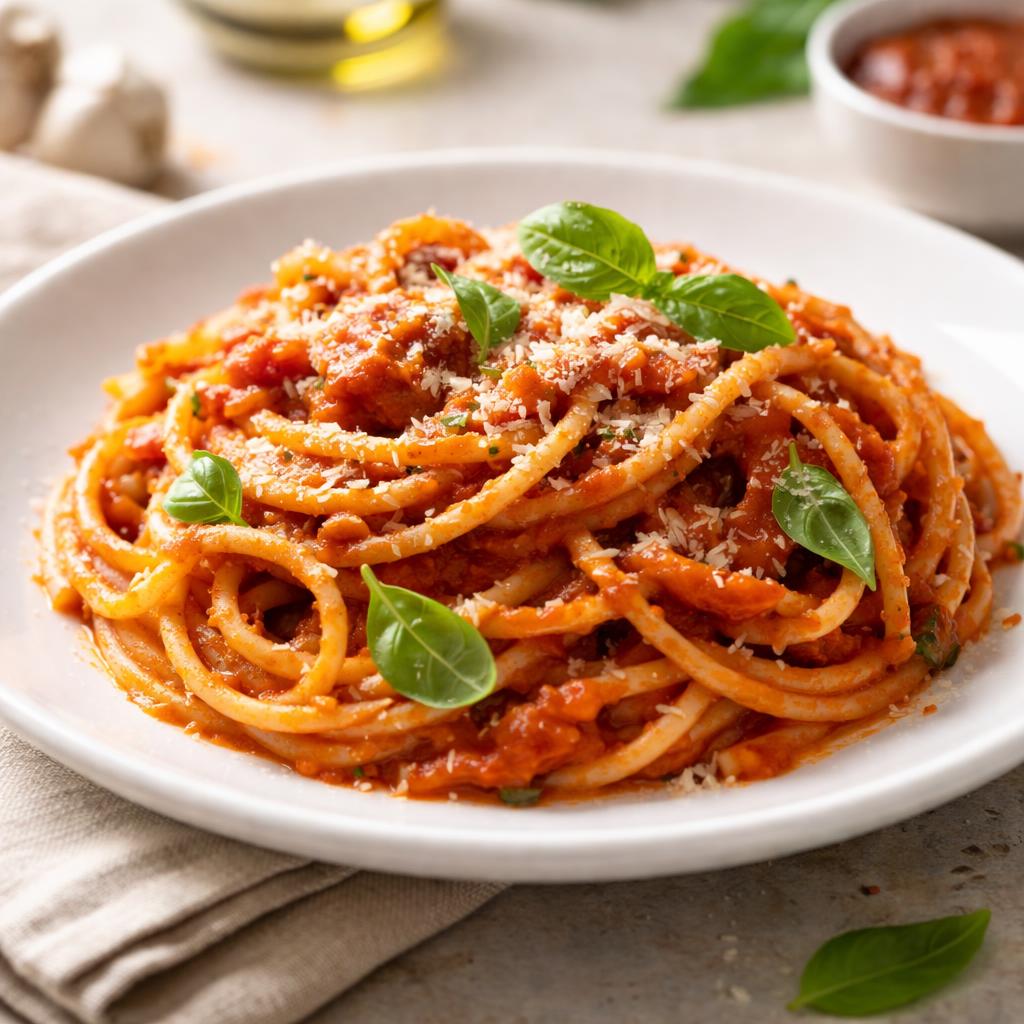
Pasta With Tomato Sauce
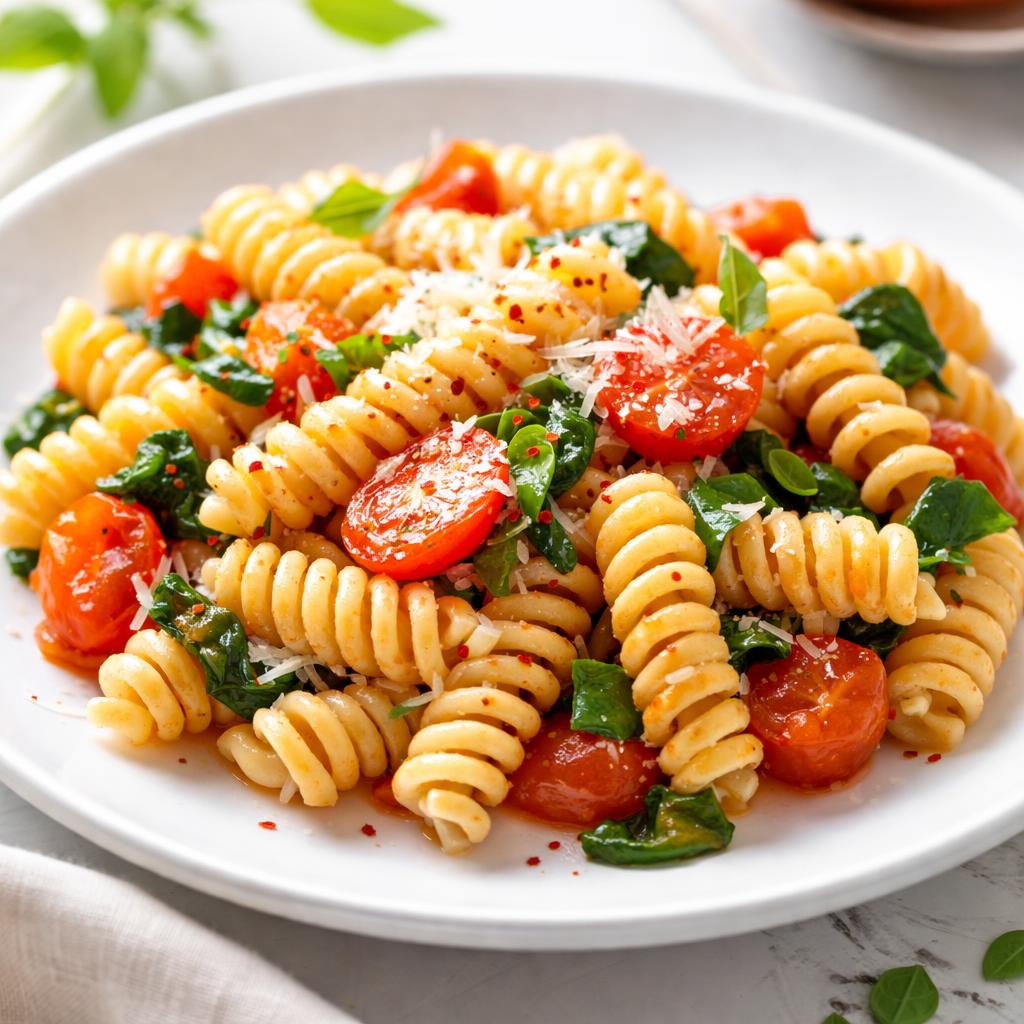
Rotini Pasta
🎯 Quick Verdict
Pasta with tomato sauce (food1) provides more fiber and balanced nutrients due to the added tomato sauce, making it a more complete nutritional choice for digestion and health. Rotini pasta (food2) is simpler and lower in calories, ideal for those looking to customize sauces or control calorie intake. Food1 suits those seeking added vitamins and minerals, while food2 is versatile for pairing with other ingredients.

Smart Nutrition Tracking with SnapCalorie

📊 Nutritional Comparison
Macronutrients
| Nutrient | Food 1 | Food 2 | Winner |
|---|---|---|---|
| Calories | 280 | 210 | ✓ |
| Protein | 8g | 8g | − |
| Carbs | 50g | 42g | ✓ |
| Fat | 3g | 1g | ✓ |
| Fiber | 4g | 2g | ✓ |
Vitamins & Minerals
| Nutrient | Food 1 | Food 2 | Winner |
|---|---|---|---|
| Vitamin C | 10mg | 0mg | ✓ |
| Vitamin A | 500IU | 0IU | ✓ |
| Iron | 2mg | 1mg | ✓ |
🏆 Category Winners
Protein
Both foods have equal protein content (8g per serving).
Fiber
Food1 provides 100% more fiber due to the added tomato sauce.
Calories
Food2 contains 25% fewer calories than food1.
Vitamins
Food1 is richer in vitamin C, A, and iron from the tomato sauce.
🥗 Diet Compatibility
Keto
Food 1: Not Compatible
Food 2: Not Compatible
Both are high in carbohydrates, unsuitable for a keto diet.
Vegan
Food 1: Compatible
Food 2: Compatible
Both are plant-based and suitable for vegans.
Gluten Free
Food 1: Not Compatible
Food 2: Not Compatible
Both contain gluten unless gluten-free variants are specifically used.
Paleo
Food 1: Not Compatible
Food 2: Not Compatible
Pasta products are not allowed on the paleo diet.
Low Carb
Food 1: Not Compatible
Food 2: Not Compatible
Both foods have high carbohydrate content.
💪 Health Benefits Comparison
Food 1 Benefits
- Rich in fiber for digestive health
- Contains vitamin C for immune support
- Provides iron for improved energy and oxygen transport
- Vitamin A content supports eye health
Food 2 Benefits
- Low in calories for controlled weight management
- Versatile for pairing with various sauces and ingredients
- Sources simple, energy-sustaining carbohydrates
- Quick and easy to prepare
✅ The Bottom Line
Choose pasta with tomato sauce (food1) if you're looking for added vitamins, minerals, and fiber to enhance your overall nutrition profile. Opt for rotini pasta (food2) if you're focused on calorie control or need a versatile base to pair with customized ingredients for tailored dishes.
Choose Food 1 for: Balanced meals, general health, fiber-rich diets
Choose Food 2 for: Low-calorie meals, customizable dishes, smaller portions


