Pasta With Tomato Sauce VS Rice And Peas
A detailed nutritional comparison
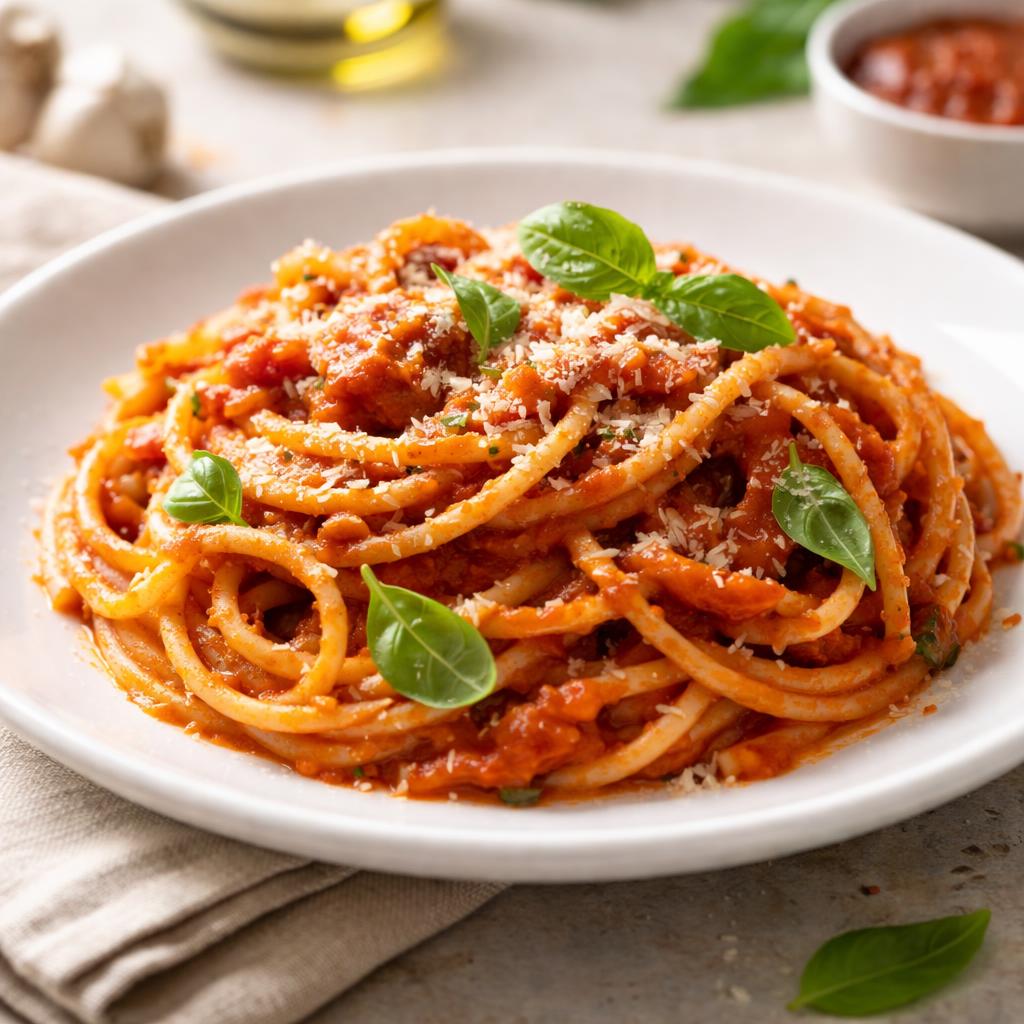
Pasta With Tomato Sauce
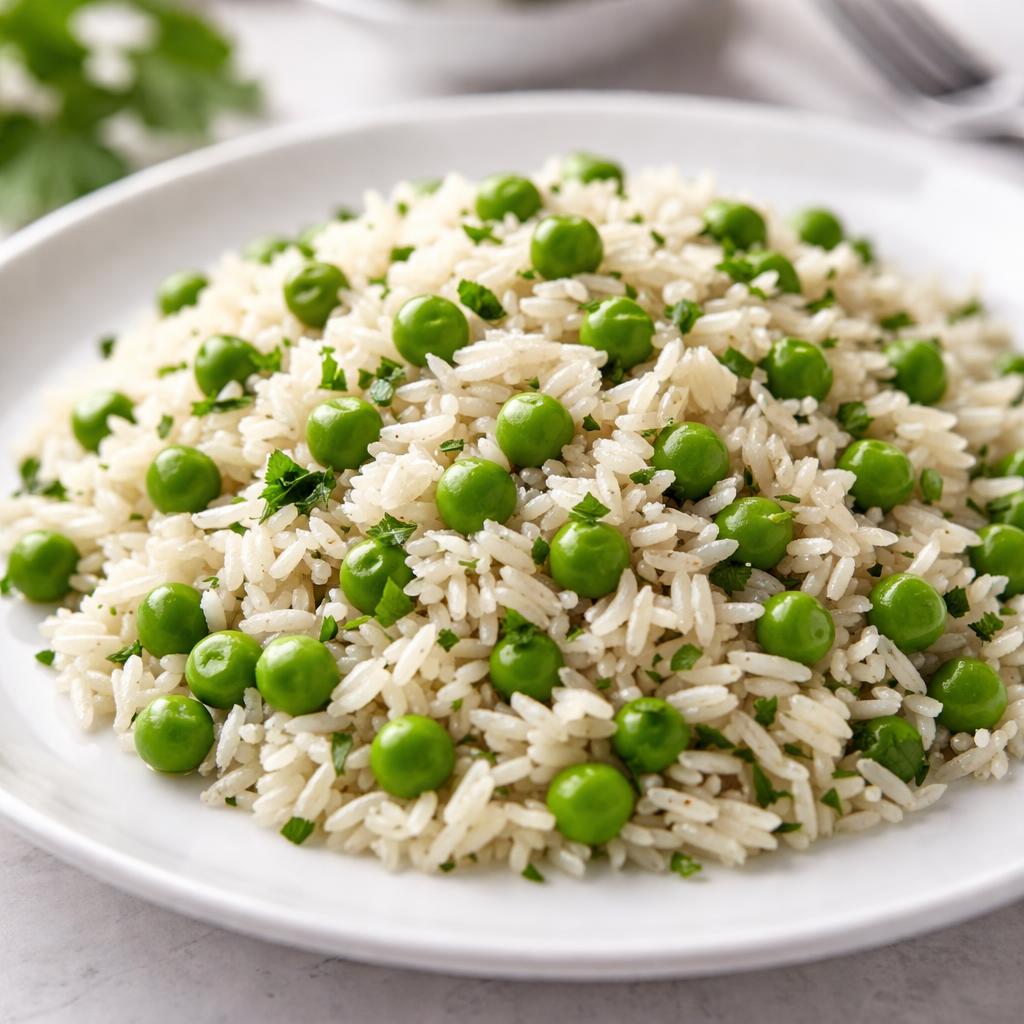
Rice And Peas
🎯 Quick Verdict
Pasta with tomato sauce and rice with peas both offer unique benefits. Pasta is lower in calories and rich in vitamins like Vitamin C, while rice with peas provides higher protein and fiber, making it ideal for muscle recovery and digestion. Choose pasta for lighter meals or rice with peas for more sustained energy and post-workout nutrition.

Smart Nutrition Tracking with SnapCalorie

📊 Nutritional Comparison
Macronutrients
| Nutrient | Food 1 | Food 2 | Winner |
|---|---|---|---|
| Calories | 180 (per cup) | 230 (per cup) | ✓ |
| Protein | 6g | 8g | ✓ |
| Carbs | 35g | 40g | ✓ |
| Fat | 2g | 4g | ✓ |
| Fiber | 2g | 5g | ✓ |
Vitamins & Minerals
| Nutrient | Food 1 | Food 2 | Winner |
|---|---|---|---|
| Vitamin C | 12mg | 5mg | ✓ |
| Vitamin A | 20mcg | 10mcg | ✓ |
| Iron | 1.5mg | 1.2mg | ✓ |
🏆 Category Winners
Protein
Rice with peas has 33% more protein per serving than pasta with tomato sauce.
Fiber
Rice with peas offers significant fiber, more than double the amount found in pasta.
Calories
Pasta with tomato sauce has fewer calories, making it suitable for calorie-conscious diets.
Vitamins
Rich in Vitamin C, pasta with tomato sauce supports immune health effectively.
🥗 Diet Compatibility
Keto
Food 1: Not Compatible
Food 2: Not Compatible
Both foods are high-carb and unsuitable for keto diets.
Vegan
Food 1: Compatible
Food 2: Compatible
Both foods are plant-based and vegan-friendly.
Gluten Free
Food 1: Not Compatible
Food 2: Compatible
Pasta contains gluten, but rice with peas is naturally gluten-free.
Paleo
Food 1: Not Compatible
Food 2: Not Compatible
Both foods are grain-based, and paleo diets exclude grains.
Low-Carb
Food 1: Not Compatible
Food 2: Not Compatible
Neither food is low-carb due to high carb content.
💪 Health Benefits Comparison
Food 1 Benefits
- Lower in calories, suitable for weight control
- Good Vitamin C content supports immune system
- Contains iron for blood health
Food 2 Benefits
- Rich in protein, great for muscle repair and growth
- High fiber content aids digestion and gut health
- Provides long-lasting energy due to complex carbs and peas
✅ The Bottom Line
Both foods offer unique nutritional benefits and serve different purposes. Choose pasta with tomato sauce for a lighter meal focused on calorie control and immune support. Opt for rice with peas when you need more protein and fiber for sustained energy and digestion support.
Choose Food 1 for: Weight control, lighter meals, immune health
Choose Food 2 for: Muscle repair, digestive health, sustained energy


