Pasta With Tomato Sauce VS Red Rice
A detailed nutritional comparison
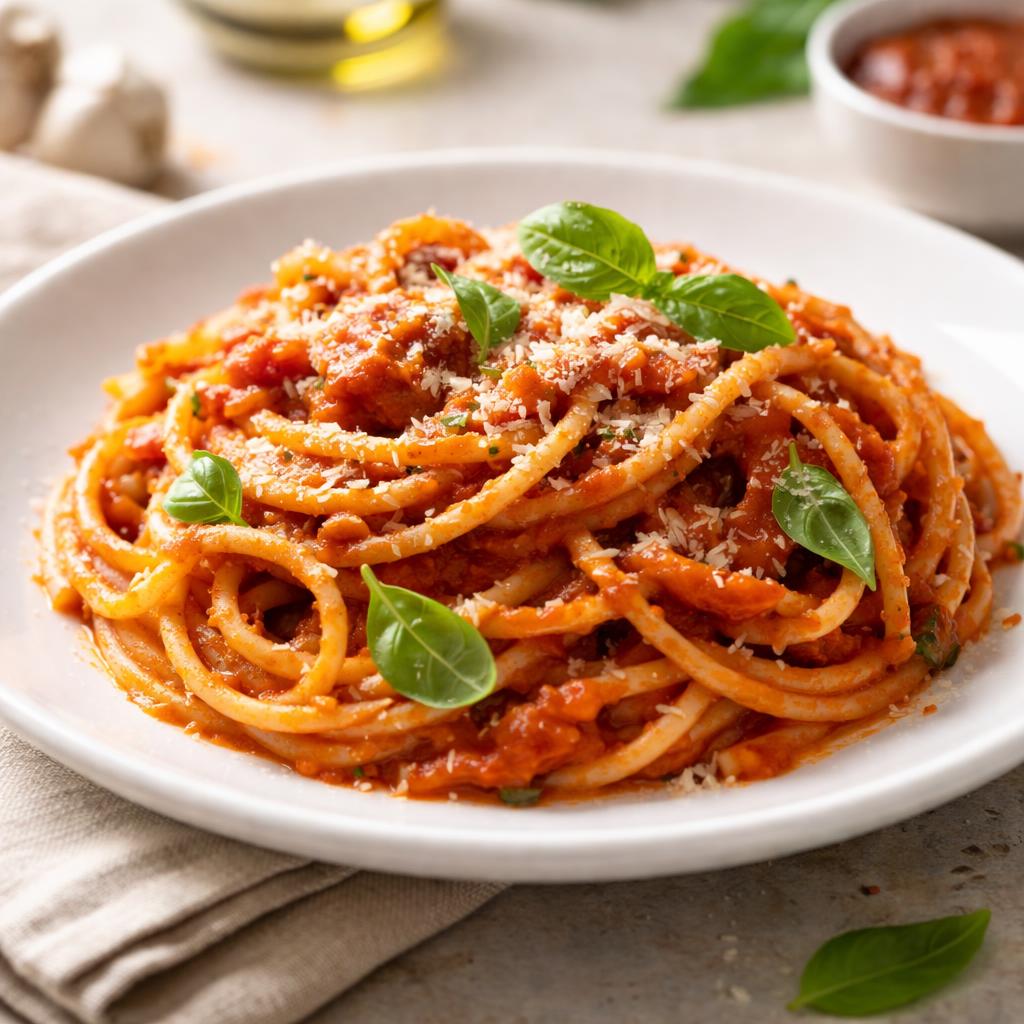
Pasta With Tomato Sauce
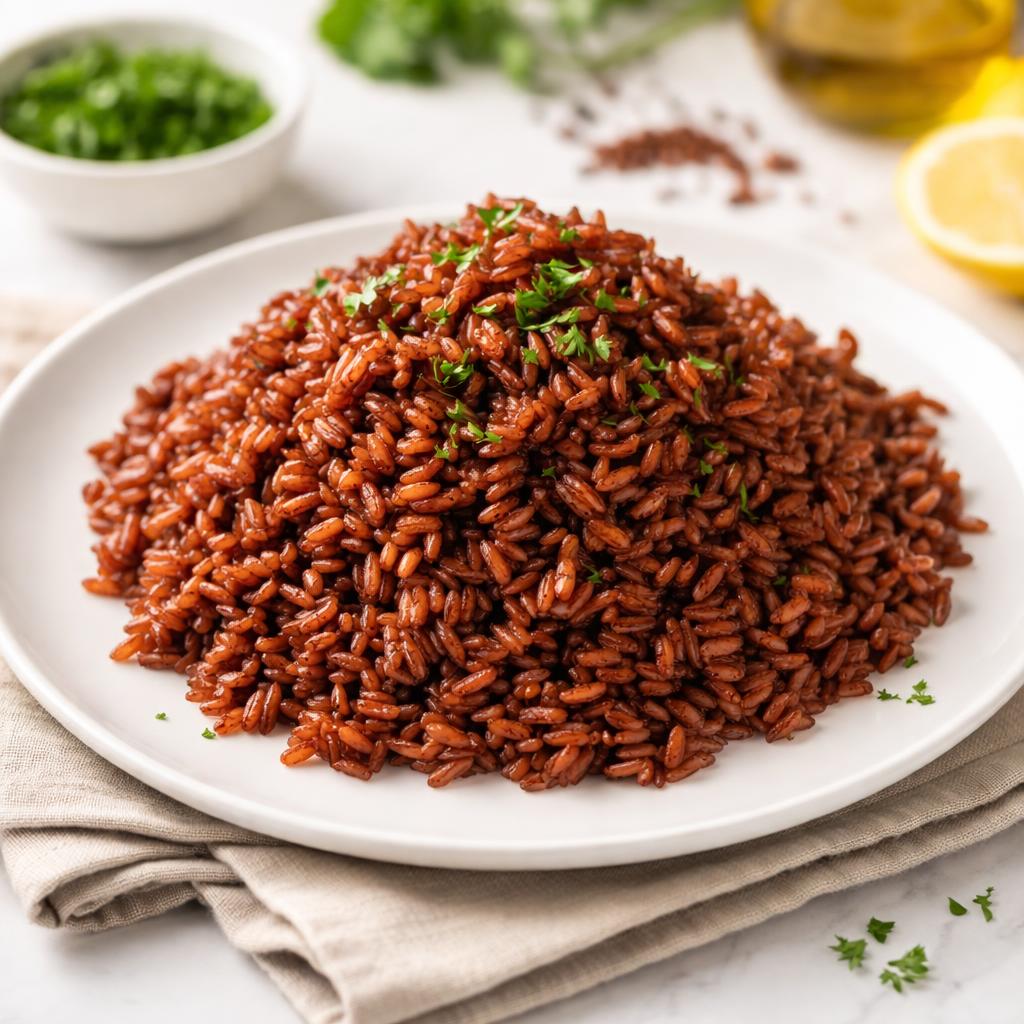
Red Rice
🎯 Quick Verdict
Pasta with tomato sauce is higher in carbohydrates and lower in fiber, making it ideal for quick energy. Red rice is lower in calories, higher in fiber, and has more protein and essential micronutrients, making it a nutrient-dense option. Pasta is best for comfort meals, while red rice suits health-focused diets needing sustained energy and nutrients.

Smart Nutrition Tracking with SnapCalorie

📊 Nutritional Comparison
Macronutrients
| Nutrient | Food 1 | Food 2 | Winner |
|---|---|---|---|
| Calories | 210 per cup | 170 per cup | ✓ |
| Protein | 7g per cup | 12g per cup | ✓ |
| Carbs | 42g per cup | 35g per cup | ✓ |
| Fat | 2g per cup | 1.5g per cup | ✓ |
| Fiber | 3g per cup | 4g per cup | ✓ |
Vitamins & Minerals
| Nutrient | Food 1 | Food 2 | Winner |
|---|---|---|---|
| Vitamin D | 0mcg | 0mcg | − |
| Calcium | 20mg | 10mg | ✓ |
| Iron | 1.5mg | 2mg | ✓ |
🏆 Category Winners
Protein
Red rice has 71% more protein per serving.
Fiber
Red rice provides 33% more fiber, aiding digestion.
Calories
Red rice has 19% fewer calories per cup.
Vitamins
Higher iron content in red rice supports better oxygen transport in the body.
🥗 Diet Compatibility
Keto
Food 1: Not Compatible
Food 2: Not Compatible
Both are high-carb and unsuitable for keto.
Vegan
Food 1: Compatible
Food 2: Compatible
Both are plant-based and vegan-friendly.
Gluten Free
Food 1: Not Compatible
Food 2: Compatible
Food1 contains gluten; red rice does not.
Paleo
Food 1: Not Compatible
Food 2: Compatible
Food1 is processed, while red rice aligns with paleo principles.
Low Carb
Food 1: Not Compatible
Food 2: Not Compatible
Both have high carbohydrate content unsuitable for low-carb diets.
💪 Health Benefits Comparison
Food 1 Benefits
- Quick energy source due to high carbohydrates
- Contains lycopene from tomato sauce for antioxidant benefits
- Low-fat comfort meal option
Food 2 Benefits
- High fiber content aids digestion and gut health
- Rich in iron, supporting better energy levels and oxygen circulation
- Provides sustained energy with lower glycemic impact
✅ The Bottom Line
Choose pasta with tomato sauce for a quick and satisfying meal when energy requirements are high, such as before or after workouts. Opt for red rice when seeking weight management, improved digestion, and nutrient-dense options for sustained energy.
Choose Food 1 for: Quick energy, comfort meals, post-workout carb replenishment
Choose Food 2 for: Weight management, sustained energy, nutrient density


