Pasta VS Wild Rice
A detailed nutritional comparison
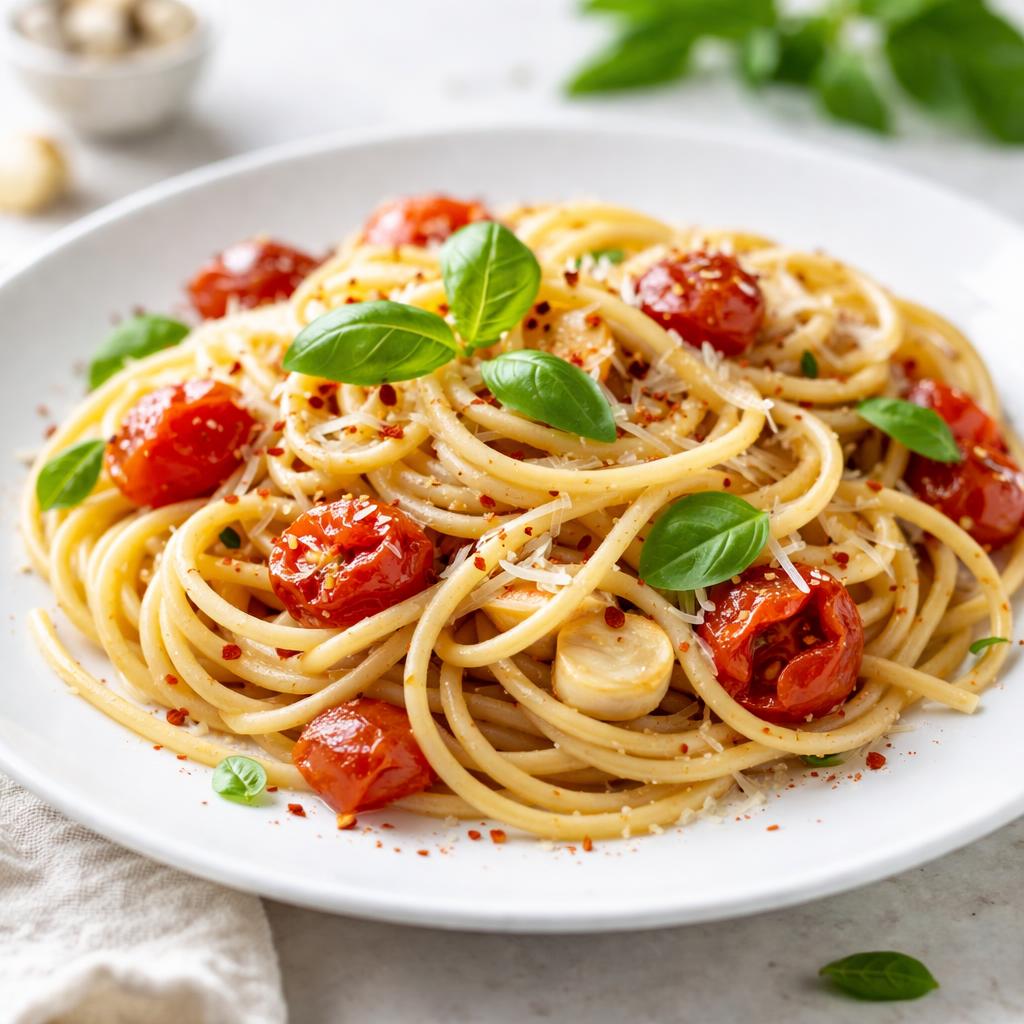
Pasta
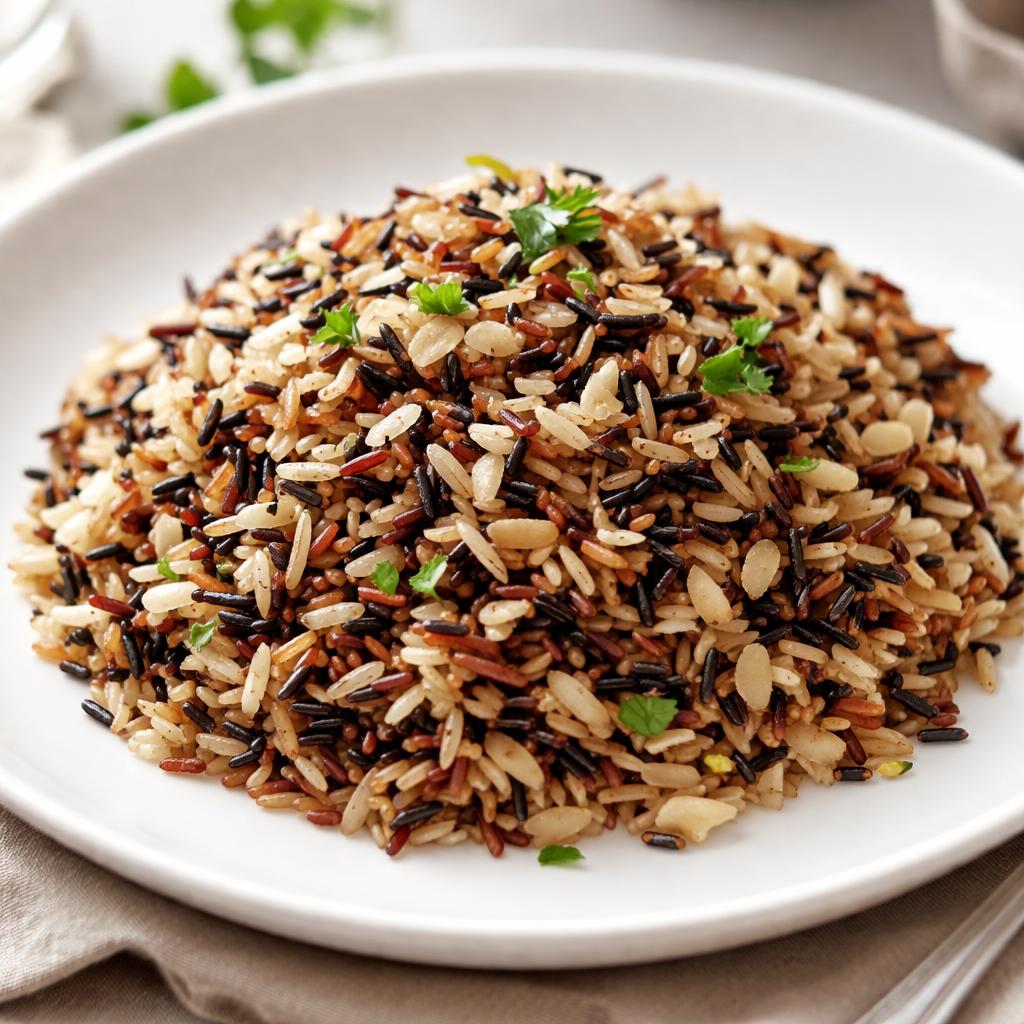
Wild Rice
🎯 Quick Verdict
Wild rice is nutritionally superior to pasta in most categories, offering higher protein, fiber, and lower calories per serving. Pasta, on the other hand, provides more carbohydrates, making it ideal for energy-focused meals. Choose pasta for quick carb loading or wild rice for a nutrient-dense addition to balanced diets.

Smart Nutrition Tracking with SnapCalorie

📊 Nutritional Comparison
Macronutrients
| Nutrient | Food 1 | Food 2 | Winner |
|---|---|---|---|
| Calories | 210 | 166 | ✓ |
| Protein | 7g | 6.5g | ✓ |
| Carbs | 41g | 35g | ✓ |
| Fat | 1.2g | 0.3g | ✓ |
| Fiber | 2.3g | 3g | ✓ |
Vitamins & Minerals
| Nutrient | Food 1 | Food 2 | Winner |
|---|---|---|---|
| Vitamin B3 (Niacin) | 2mg | 1.1mg | ✓ |
| Magnesium | 25mg | 52mg | ✓ |
| Zinc | 1mg | 2mg | ✓ |
| Iron | 1mg | 0.6mg | ✓ |
🏆 Category Winners
Protein
Pasta has slightly more protein per serving than wild rice.
Fiber
Wild rice contains 30% more fiber, aiding digestive health.
Calories
Wild rice has 20% fewer calories per serving.
Vitamins
Wild rice provides higher levels of magnesium and zinc for energy and immunity.
🥗 Diet Compatibility
Keto
Food 1: Not Compatible
Food 2: Not Compatible
Both are too high in carbs for keto diets.
Vegan
Food 1: Compatible
Food 2: Compatible
Both are plant-based.
Gluten Free
Food 1: Not Compatible
Food 2: Compatible
Wild rice is naturally gluten-free while pasta typically contains wheat.
Paleo
Food 1: Not Compatible
Food 2: Compatible
Wild rice aligns better with paleo guidelines as a whole grain alternative.
Low-Carb
Food 1: Not Compatible
Food 2: Not Compatible
Both contain moderate to high levels of carbohydrates.
💪 Health Benefits Comparison
Food 1 Benefits
- High in carbohydrates for energy and endurance
- Provides quick and easy meal options
- Contains iron for red blood cell production
Food 2 Benefits
- High fiber content aids digestion
- Rich in magnesium for muscle function
- Zinc supports immune health and hormone regulation
- Lower calorie alternative for weight management
✅ The Bottom Line
Wild rice is the healthier and nutrient-dense option, but pasta excels as a quick energy source due to its higher carb content. Choose pasta for workouts and energy-intensive activities or wild rice for fiber-rich meals that support digestion and overall health.
Choose Food 1 for: Carbohydrate loading, athletic activity, quick meals
Choose Food 2 for: Weight management, digestion health, nutrient-dense meals


