Pasta VS Vegetable Rice
A detailed nutritional comparison
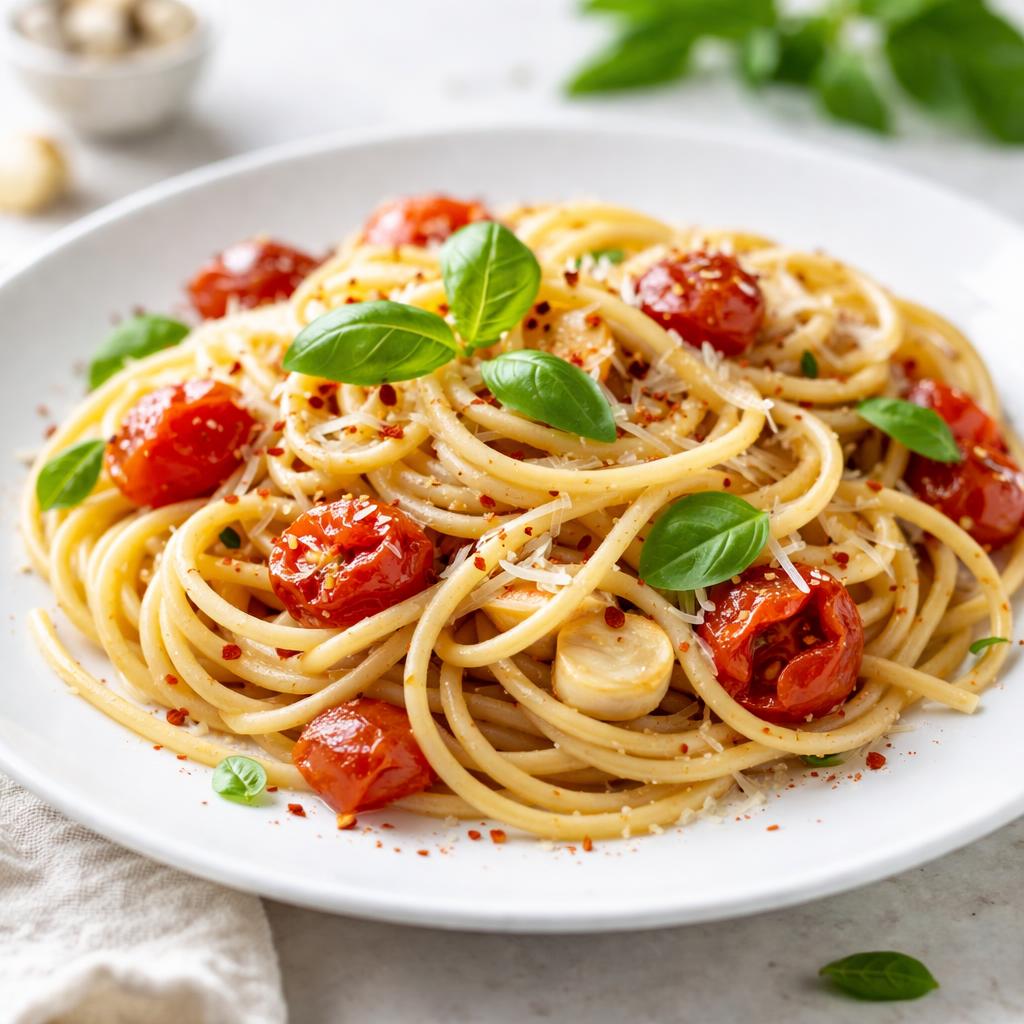
Pasta
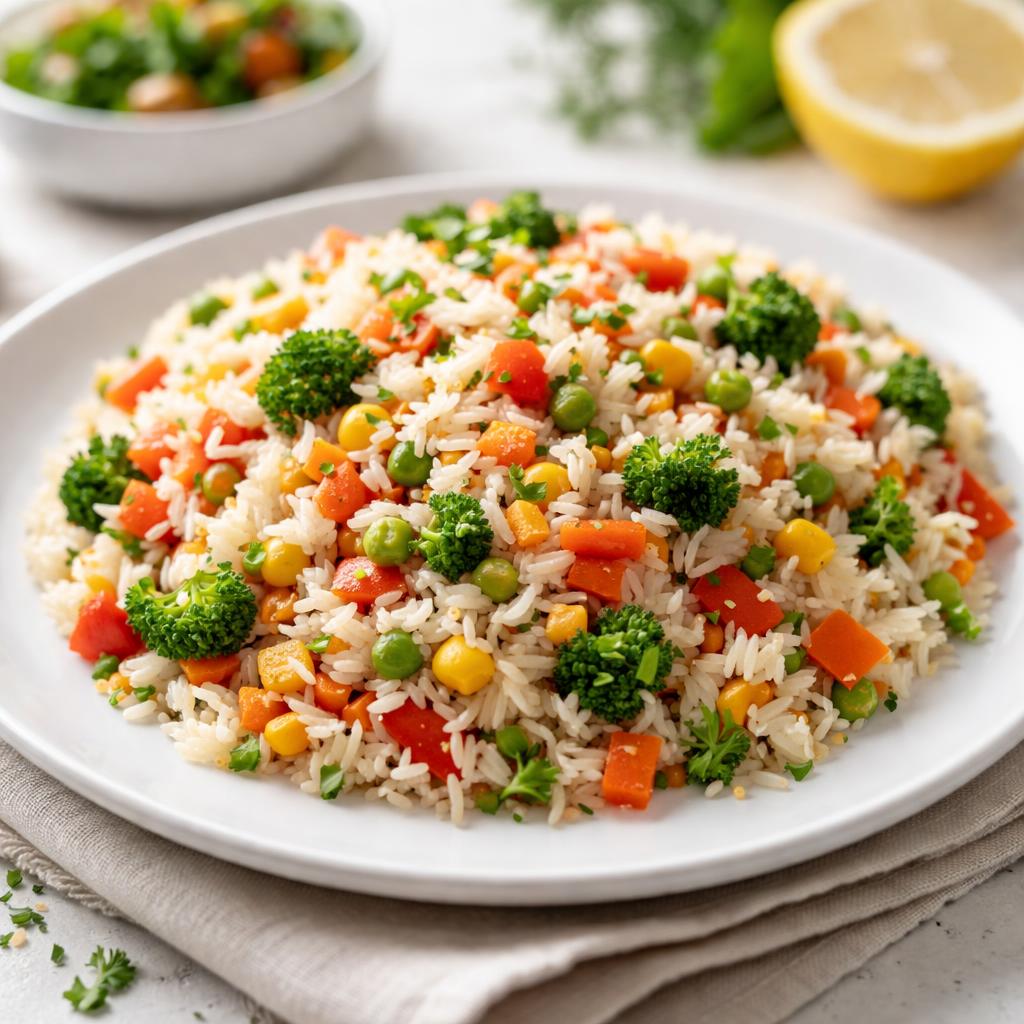
Vegetable Rice
🎯 Quick Verdict
Pasta is higher in protein and may be preferable for individuals looking to increase muscle mass or post-workout recovery. Vegetable rice is calorie-friendly, higher in fiber, and suitable for weight management or nutrient-dense meals. Both foods are versatile and fit within plant-based diets, offering unique benefits depending on dietary goals.

Smart Nutrition Tracking with SnapCalorie

📊 Nutritional Comparison
Macronutrients
| Nutrient | Food 1 | Food 2 | Winner |
|---|---|---|---|
| Calories | 210 | 150 | − |
| Protein | 7g | 3g | − |
| Carbs | 41g | 25g | − |
| Fat | 1g | 3g | − |
| Fiber | 2g | 4g | − |
Vitamins & Minerals
| Nutrient | Food 1 | Food 2 | Winner |
|---|---|---|---|
| Vitamin A | 0% | 10% | − |
| Vitamin C | 0% | 15% | − |
| Iron | 10% | 5% | − |
| Calcium | 20mg | 15mg | − |
🏆 Category Winners
Protein
Pasta provides over twice the protein content per serving compared to vegetable rice.
Fiber
Vegetable rice has double the fiber content per serving.
Calories
Vegetable rice contains 29% fewer calories per serving.
Vitamins
Vegetable rice contains significantly more Vitamin A and Vitamin C, essential for immune health and skin.
🥗 Diet Compatibility
Keto
Food 1: Not Compatible
Food 2: Not Compatible
Both are high in carbohydrates and unsuitable for keto diets.
Vegan
Food 1: Compatible
Food 2: Compatible
Both foods are plant-based and ideal for vegan diets.
Gluten Free
Food 1: Not Compatible
Food 2: Compatible
Traditional pasta contains gluten, while vegetable rice is naturally gluten-free.
Paleo
Food 1: Not Compatible
Food 2: Compatible
Pasta is made from grains not allowed on Paleo diets, whereas vegetable rice (made from cauliflower, etc.) is allowed.
Low Carb
Food 1: Not Compatible
Food 2: Somewhat Compatible
Vegetable rice is lower in carbs compared to pasta but still contains moderate amounts.
💪 Health Benefits Comparison
Food 1 Benefits
Food 2 Benefits
✅ The Bottom Line
Choose pasta for a higher-protein meal ideal for muscle growth or post-workout recovery. Opt for vegetable rice when seeking a lower-calorie, fiber-rich, and nutrient-packed dish suitable for weight-loss and general wellness goals.
Choose Food 1 for: Muscle building, post-workout energy, balanced meals
Choose Food 2 for: Weight loss, improved digestion, nutrient-dense options


