Pasta VS Seafood Pasta
A detailed nutritional comparison
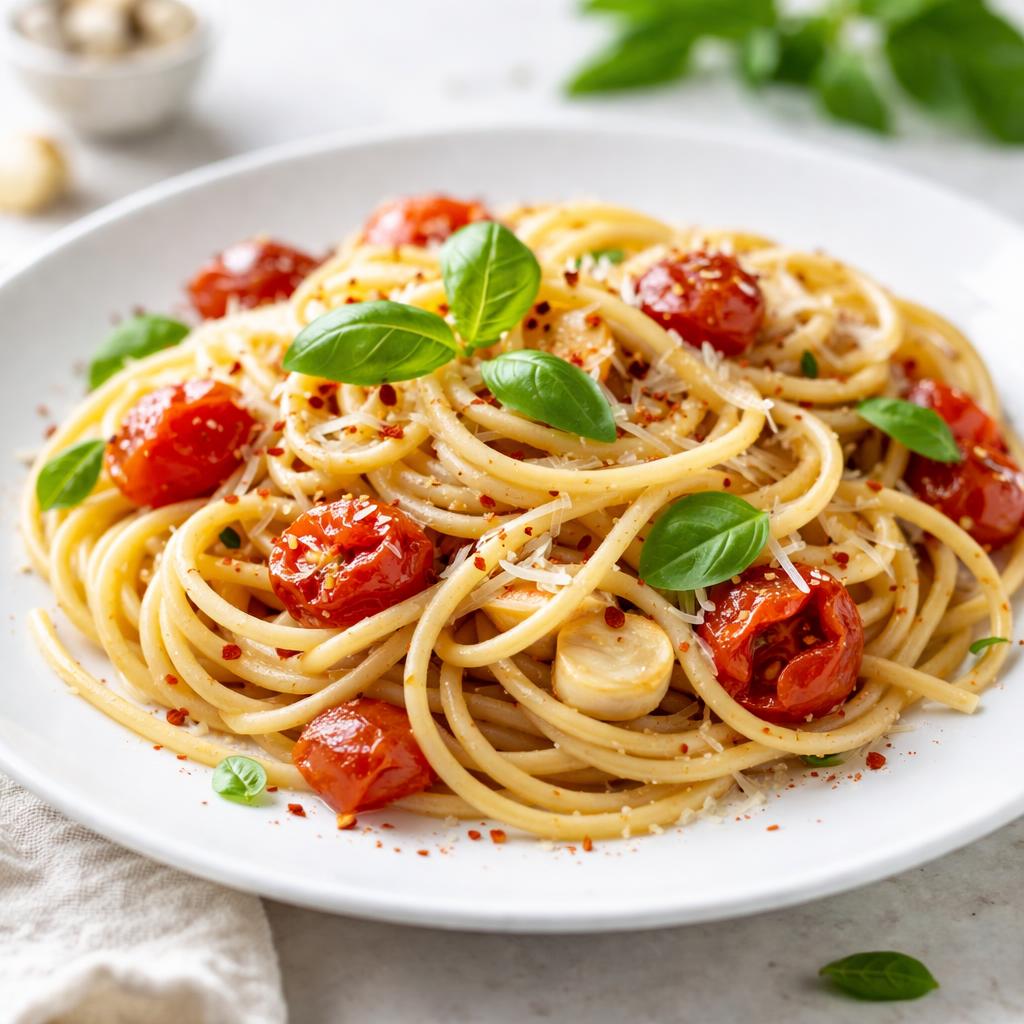
Pasta
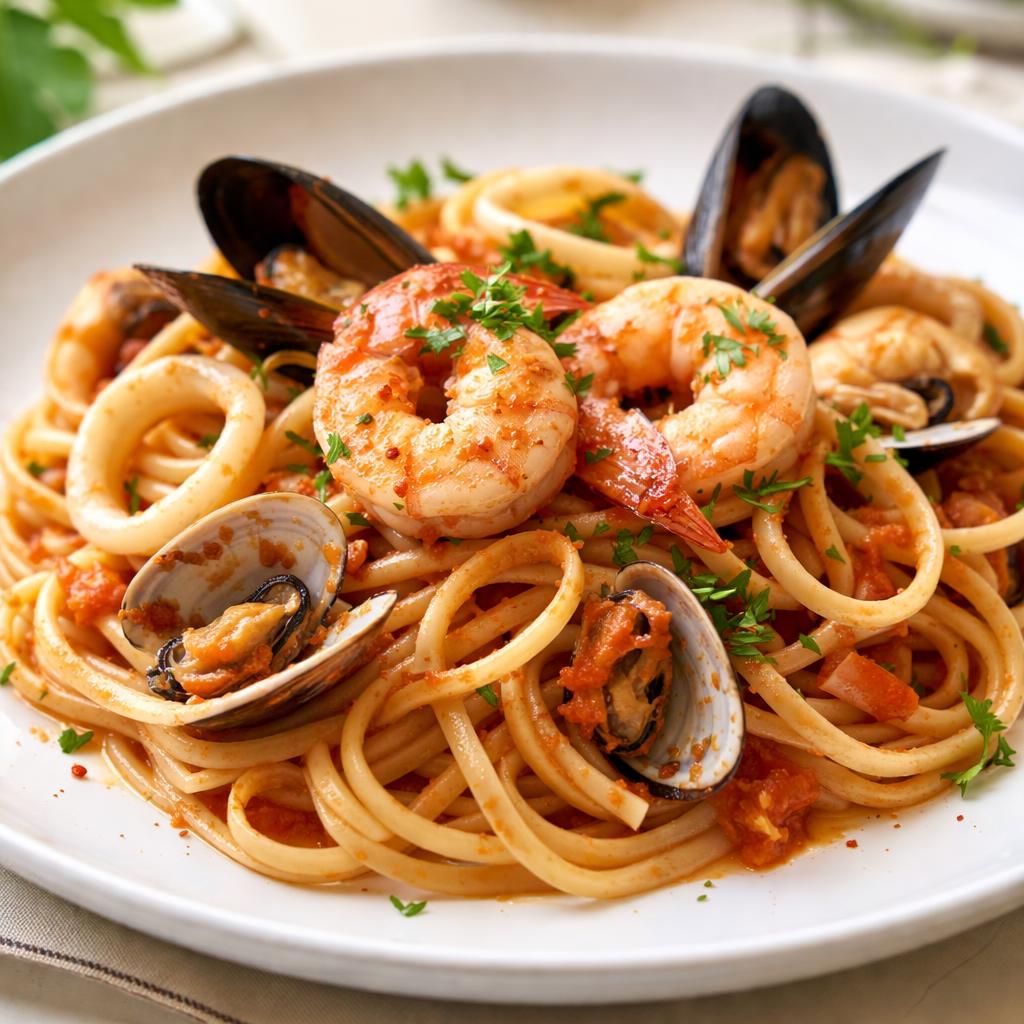
Seafood Pasta
🎯 Quick Verdict
Seafood pasta generally contains higher protein due to the seafood component, making it ideal for muscle maintenance and recovery. Regular pasta is lower in calories and contains more fiber, making it a better choice for weight management and digestive health. Both foods can be tailored to suit specific dietary goals depending on preparation methods and portion sizes.

Smart Nutrition Tracking with SnapCalorie

📊 Nutritional Comparison
Macronutrients
| Nutrient | Food 1 | Food 2 | Winner |
|---|---|---|---|
| Calories | 200 | 320 | ✓ |
| Protein | 7g | 22g | ✓ |
| Carbs | 40g | 35g | ✓ |
| Fat | 1g | 12g | ✓ |
| Fiber | 2g | 1g | ✓ |
Vitamins & Minerals
| Nutrient | Food 1 | Food 2 | Winner |
|---|---|---|---|
| Vitamin D | 0mcg | 3mcg | ✓ |
| Calcium | 20mg | 50mg | ✓ |
| Iron | 1mg | 3mg | ✓ |
🏆 Category Winners
Protein
Seafood pasta offers over three times the protein compared to regular pasta due to its seafood content.
Fiber
Regular pasta contains twice as much fiber compared to seafood pasta.
Calories
Regular pasta has fewer calories per serving compared to seafood pasta.
🥗 Diet Compatibility
Keto
Food 1: Not Compatible
Food 2: Not Compatible
Both are high in carbs and unsuitable for keto diets.
Vegan
Food 1: Compatible
Food 2: Not Compatible
Seafood pasta includes animal-based ingredients, while regular pasta can be prepared vegan.
Gluten Free
Food 1: Not Compatible
Food 2: Not Compatible
Both foods typically contain gluten unless made with gluten-free ingredients.
Paleo
Food 1: Not Compatible
Food 2: Not Compatible
Neither food fits paleo guidelines due to grain-based pasta.
Low Carb
Food 1: Not Compatible
Food 2: Partially Compatible
Seafood pasta is slightly lower in carbs due to seafood, but both are not ideal for strict low-carb diets.
💪 Health Benefits Comparison
Food 1 Benefits
- Lower calorie content, supporting weight management
- Higher fiber content for better digestion
- Provides steady energy from complex carbohydrates
Food 2 Benefits
- High in protein for muscle repair and maintenance
- Rich in vitamin D, supporting bone health and immunity
- Contains healthy fats from seafood, beneficial for heart health
✅ The Bottom Line
Choose regular pasta for fiber and lower calorie density, making it suitable for weight management and digestive health. Seafood pasta is a superior option for protein and nutrient variety, particularly for muscle recovery and heart health. Adjust portion sizes and preparation to suit dietary goals.
Choose Food 1 for: Weight management, vegan diets, ease of preparation
Choose Food 2 for: High-protein diets, heart health, balanced meals with variety


