Pasta VS Rice And Beans
A detailed nutritional comparison
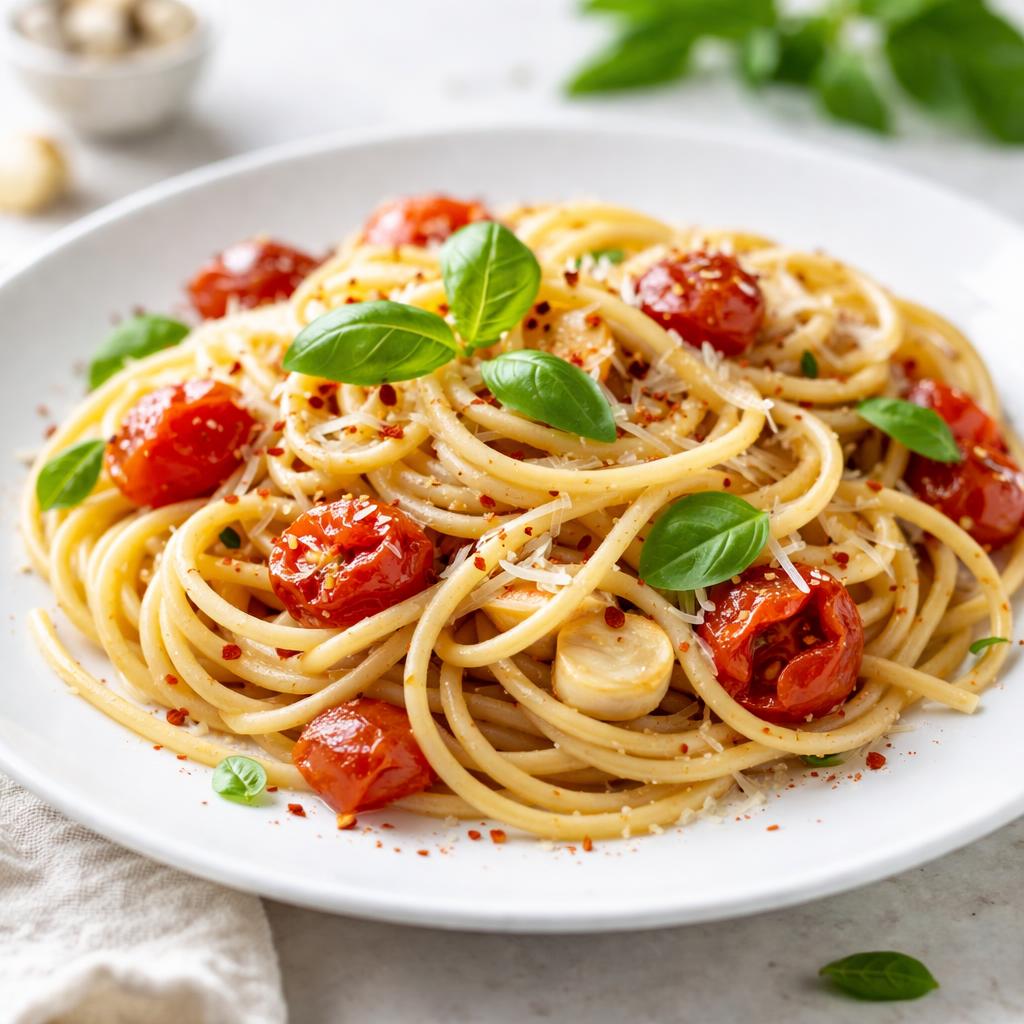
Pasta
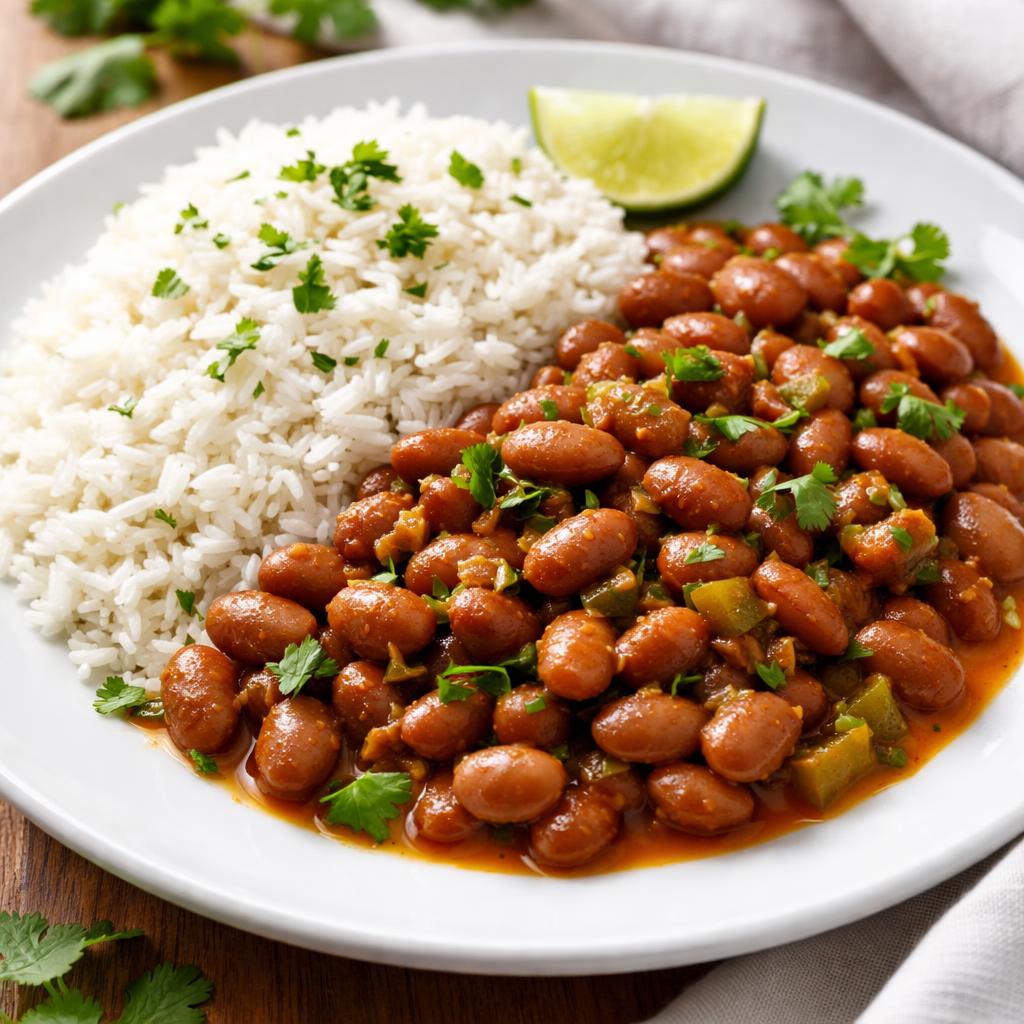
Rice And Beans
🎯 Quick Verdict
Rice and beans offer a more nutrient-dense profile compared to pasta, with higher protein, fiber, and key vitamins, making it ideal for balanced meal preparation. Pasta is lower in calories and slightly higher in carbs, good for quick energy during high-intensity activities or carb-loading. Both foods are vegan and gluten-free, offering flexibility for various diets.

Smart Nutrition Tracking with SnapCalorie

📊 Nutritional Comparison
Macronutrients
| Nutrient | Food 1 | Food 2 | Winner |
|---|---|---|---|
| Calories | 200 | 250 | ✓ |
| Protein | 7g | 12g | ✓ |
| Carbs | 42g | 40g | ✓ |
| Fat | 1g | 2g | ✓ |
| Fiber | 2g | 7g | ✓ |
Vitamins & Minerals
| Nutrient | Food 1 | Food 2 | Winner |
|---|---|---|---|
| Vitamin D | 0mcg | 0mcg | − |
| Calcium | 10mg | 40mg | ✓ |
| Iron | 1mg | 3mg | ✓ |
🏆 Category Winners
Protein
Rice and beans contain 71% more protein per serving than pasta.
Fiber
Rice and beans have over triple the fiber content of pasta.
Calories
Pasta is lower in calories compared to the combination of rice and beans.
🥗 Diet Compatibility
Keto
Food 1: Not Compatible
Food 2: Not Compatible
Both foods are high in carbohydrates and not suitable for keto diets.
Vegan
Food 1: Compatible
Food 2: Compatible
Both options are plant-based and suitable for vegan diets.
Gluten Free
Food 1: Not Compatible (unless specified gluten-free)
Food 2: Compatible
Regular pasta contains gluten, but rice and beans are naturally gluten-free.
Paleo
Food 1: Not Compatible
Food 2: Not Compatible
Both foods are processed or legumes, which are avoided in strict paleo diets.
Low Carb
Food 1: Not Compatible
Food 2: Not Compatible
Both foods are high-carb and not aligned with low-carb diets.
💪 Health Benefits Comparison
Food 1 Benefits
- Provides quick energy due to its high carbohydrate content
- Low in fat, suitable for calorie-conscious individuals
- Easy to digest, making it ideal for pre-workout meals
Food 2 Benefits
- Contains complete protein when eaten together, aiding muscle repair and growth
- High in fiber for improved digestion and gut health
- Rich in iron and calcium, supporting bone health and oxygen transport
✅ The Bottom Line
Rice and beans emerge as the better choice for balanced nutrition due to their higher protein, fiber, and mineral content. However, pasta can be advantageous for quick energy during physically demanding activities or recovery meals. Choose rice and beans for long-lasting satiety and nutrient density, while pasta suits carb-loading or lighter calorie goals.
Choose Food 1 for: Quick energy, carb-loading, pre-workout meals
Choose Food 2 for: Balanced nutrition, muscle-building, filling meals


