Pasta VS Ramen Noodles
A detailed nutritional comparison
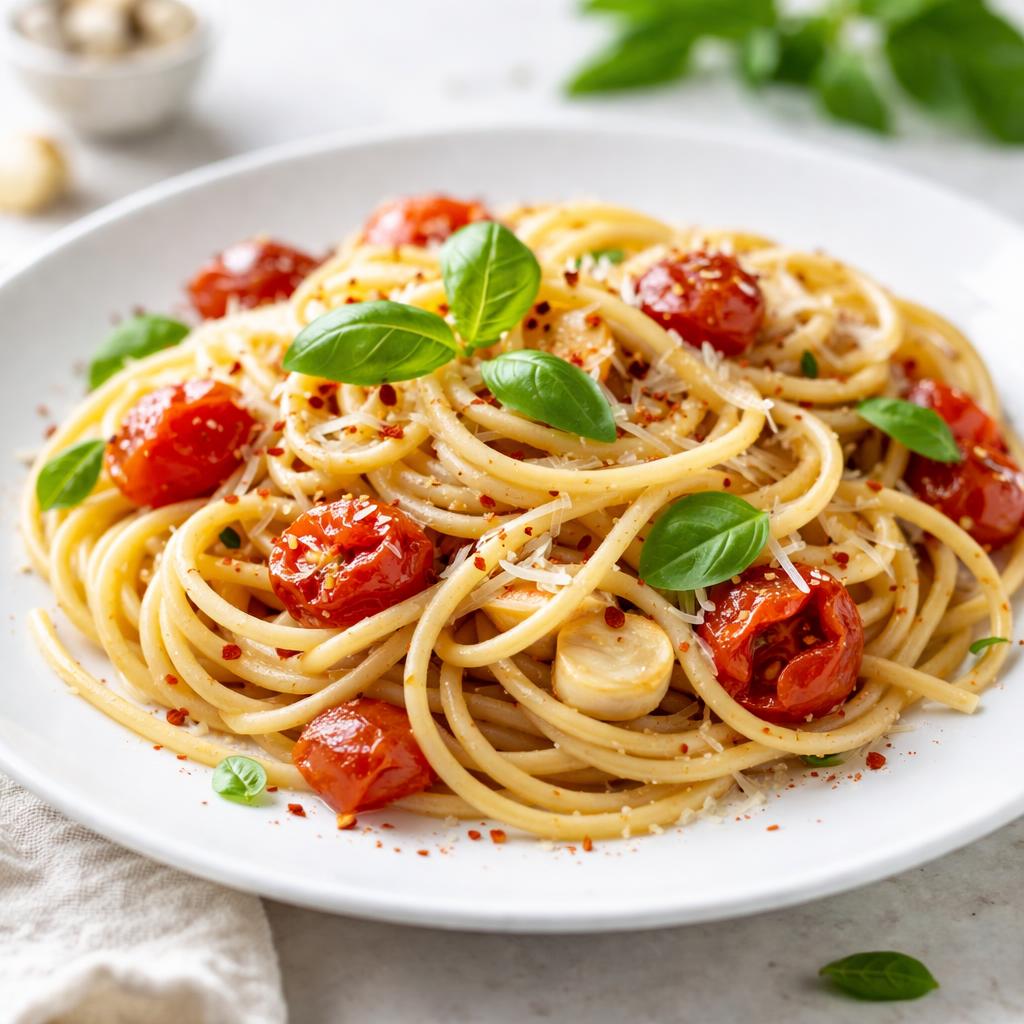
Pasta
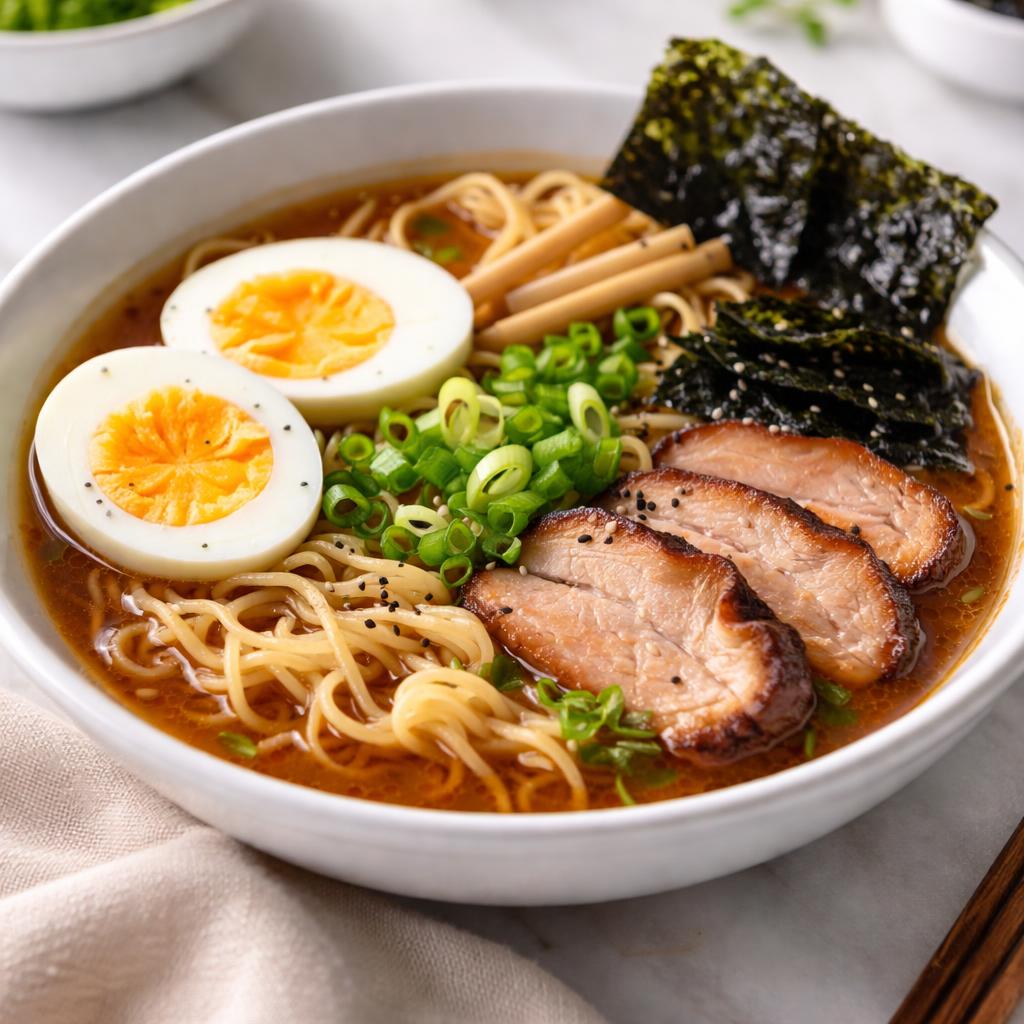
Ramen Noodles
🎯 Quick Verdict
Pasta is generally higher in protein, fiber, and lower in calories compared to ramen noodles, which are richer in fats and carbohydrates. Pasta is more suitable for balanced or protein-priority diets, while ramen is better for quick energy boosts or comfort meals with higher salt content typically seen in instant ramen versions.

Smart Nutrition Tracking with SnapCalorie

📊 Nutritional Comparison
Macronutrients
| Nutrient | Food 1 | Food 2 | Winner |
|---|---|---|---|
| Calories | 210 (plain, boiled) | 380 (instant, cooked) | ✓ |
| Protein | 7g | 5g | ✓ |
| Carbs | 42g | 52g | ✓ |
| Fat | 1g | 14g | ✓ |
| Fiber | 2.5g | 1g | ✓ |
Vitamins & Minerals
| Nutrient | Food 1 | Food 2 | Winner |
|---|---|---|---|
| Vitamin B3 (Niacin) | 3mg | 6mg | ✓ |
| Iron | 1.5mg | 2.4mg | ✓ |
| Calcium | 10mg | 20mg | ✓ |
🏆 Category Winners
Protein
Pasta contains 2 grams more protein per serving, making it slightly better for building or maintaining muscle.
Fiber
Pasta provides 150% more fiber per serving, which aids digestion and satiety.
Calories
Pasta has significantly fewer calories due to lower fat content compared to ramen noodles.
Vitamins
Ramen noodles have higher levels of essential micronutrients like iron and calcium, though this depends on fortification in instant varieties.
🥗 Diet Compatibility
Keto
Food 1: Not Compatible
Food 2: Not Compatible
Both are high-carb and not suitable for ketogenic diets.
Vegan
Food 1: Compatible
Food 2: Conditionally Compatible
Plain pasta is plant-based, while some ramen brands use powdered animal-based broth or flavorings.
Gluten Free
Food 1: Not Compatible
Food 2: Not Compatible
Both contain gluten unless using gluten-free pasta or rice-based ramen alternatives.
Paleo
Food 1: Not Compatible
Food 2: Not Compatible
Neither fits paleo guidelines, as they are processed grain products.
Low-Carb
Food 1: Not Compatible
Food 2: Not Compatible
Both are high-carb foods unsuitable for low-carb diets.
💪 Health Benefits Comparison
Food 1 Benefits
- Good source of protein for basic muscle maintenance
- Contains more fiber for better digestion and fullness
- Low in fat, making it heart-healthy when paired with healthy toppings
Food 2 Benefits
- Contains niacin and iron for energy metabolism and oxygen transport
- Higher fat content for quick energy in demanding situations
- Convenient and easy preparation, suitable for busy lifestyles
✅ The Bottom Line
Pasta is better for those looking for a moderate-calorie, high-protein, and fiber option in their meals, making it ideal for weight management or balanced diets. Ramen noodles, on the other hand, are more suited for short-term energy, quick meals, or comfort options thanks to their higher fat and carbohydrate content.
Choose Food 1 for: Weight management, balanced diets, high-protein meals
Choose Food 2 for: Quick energy, convenience, and comfort meals


