Pasta VS Orzo Pasta
A detailed nutritional comparison
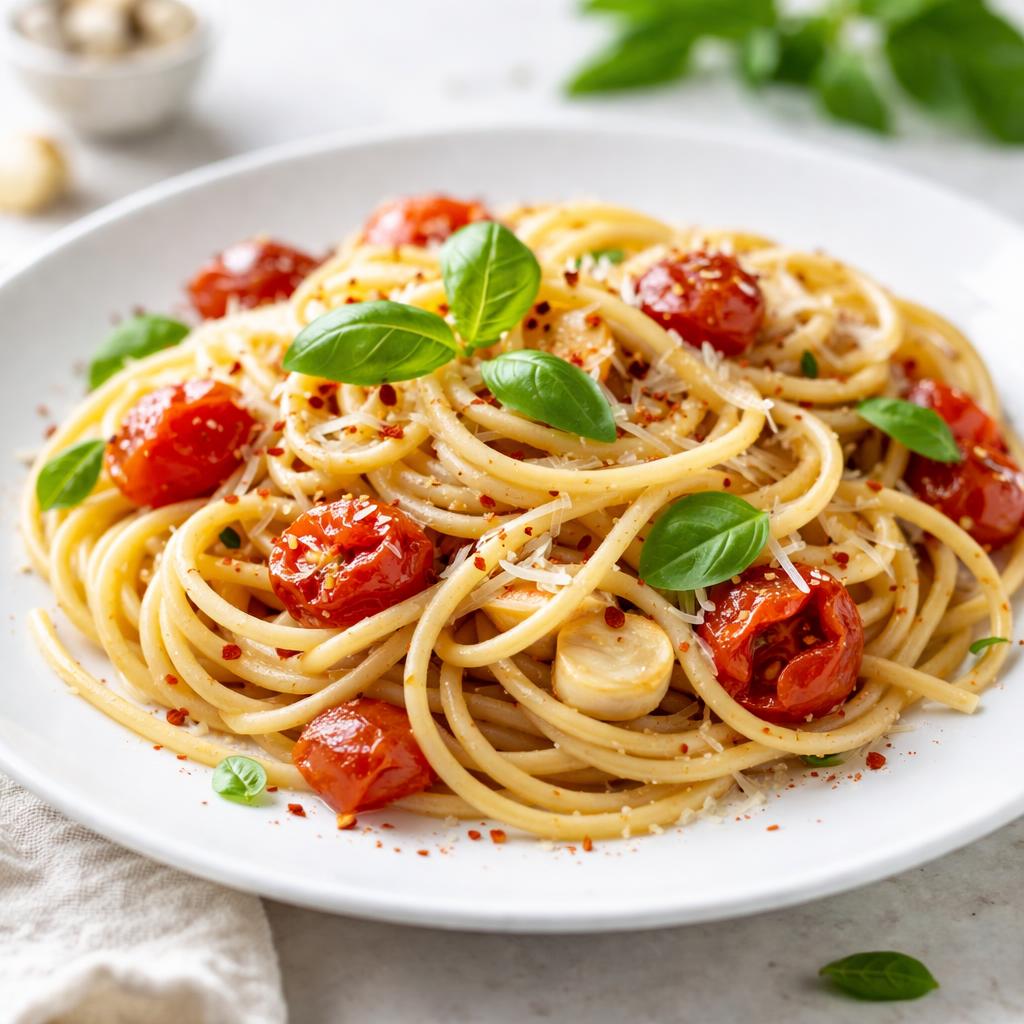
Pasta
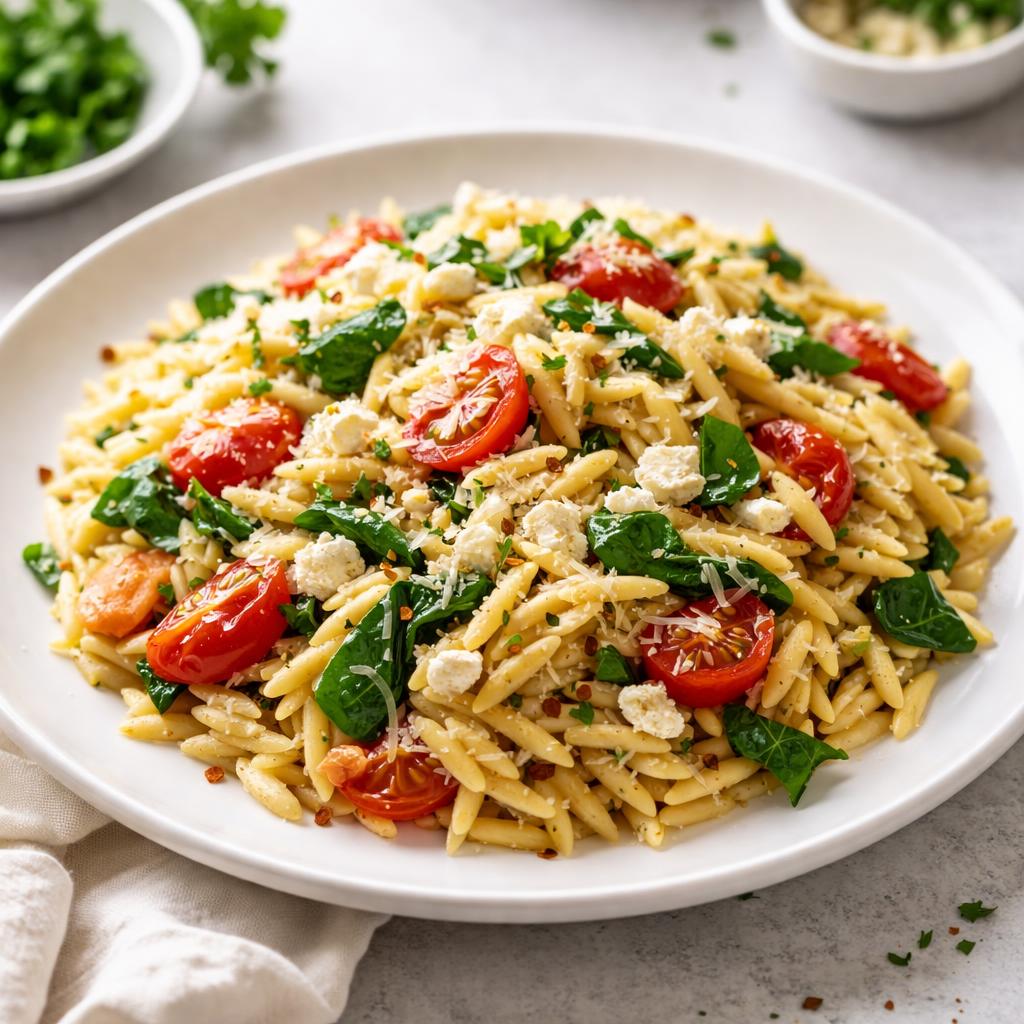
Orzo Pasta
🎯 Quick Verdict
Both pasta and orzo pasta offer similar nutritional profiles but differ slightly in calorie and fiber content. Pasta provides marginally more protein and fiber, making it slightly better for muscle maintenance and digestion. Orzo, while slightly lower in nutrients, has fewer calories and is ideal for lighter meals or calorie-conscious diets.

Smart Nutrition Tracking with SnapCalorie

📊 Nutritional Comparison
Macronutrients
| Nutrient | Food 1 | Food 2 | Winner |
|---|---|---|---|
| Calories | 200 | 190 | ✓ |
| Protein | 7g | 6g | ✓ |
| Carbs | 41g | 40g | ✓ |
| Fat | 1g | 1g | − |
| Fiber | 3g | 2g | ✓ |
Vitamins & Minerals
| Nutrient | Food 1 | Food 2 | Winner |
|---|---|---|---|
| Vitamin B1 (Thiamine) | 0.2mg | 0.18mg | ✓ |
| Folate (B9) | 24mcg | 22mcg | ✓ |
| Iron | 1.3mg | 1.2mg | ✓ |
🏆 Category Winners
Protein
Pasta has slightly more protein, which aids in muscle repair and maintenance.
Fiber
Pasta contains 50% more fiber per serving, supporting healthy digestion.
Calories
Orzo has 10 fewer calories per serving, making it better for calorie-conscious meals.
🥗 Diet Compatibility
Keto
Food 1: Not Compatible
Food 2: Not Compatible
Both are high-carb foods unsuitable for keto diets.
Vegan
Food 1: Compatible
Food 2: Compatible
Neither contains animal products and both can fit into plant-based diets.
Gluten Free
Food 1: Not Compatible
Food 2: Not Compatible
Both contain gluten unless made with gluten-free alternatives.
Paleo
Food 1: Not Compatible
Food 2: Not Compatible
Grains like pasta are avoided in paleo diets.
Low-Carb
Food 1: Not Compatible
Food 2: Not Compatible
Carbohydrate content is too high for low-carb guidelines.
💪 Health Benefits Comparison
Food 1 Benefits
- Provides more fiber for better digestion
- Contains slightly higher protein content for muscle repair
- Rich in B-vitamins for energy metabolism
Food 2 Benefits
- Lower in calories for lighter meals
- Good source of iron for oxygen transport in the body
- Versatile ingredient, pairs well with vegetables and lean proteins
✅ The Bottom Line
Choose pasta for its higher protein and fiber content if you're looking for a filling option that supports digestion and muscle maintenance. Opt for orzo pasta for lighter meals when calorie-conscious diets or smaller portions are preferred.
Choose Food 1 for: Filling meals, active lifestyles, muscle building
Choose Food 2 for: Light meals, calorie-conscious diets, versatile recipes


