Pasta VS Noodles
A detailed nutritional comparison
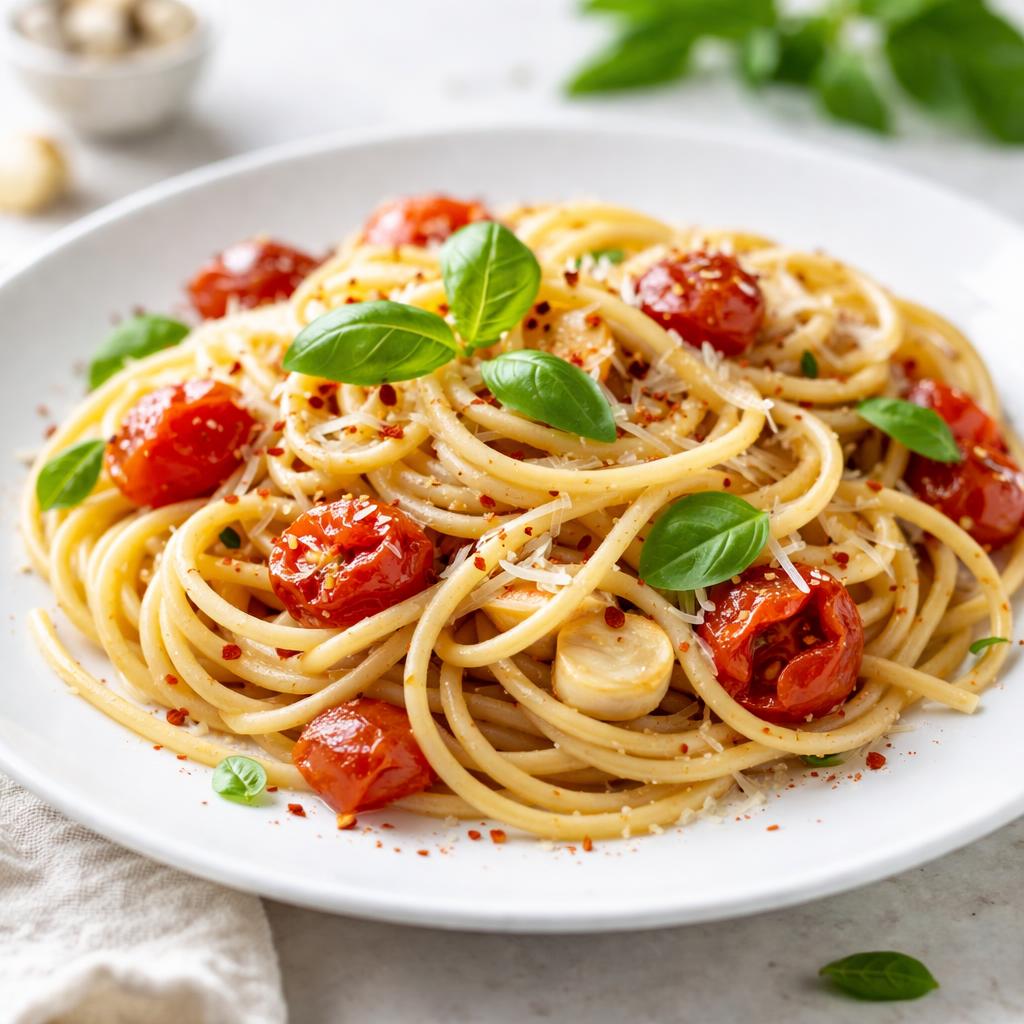
Pasta
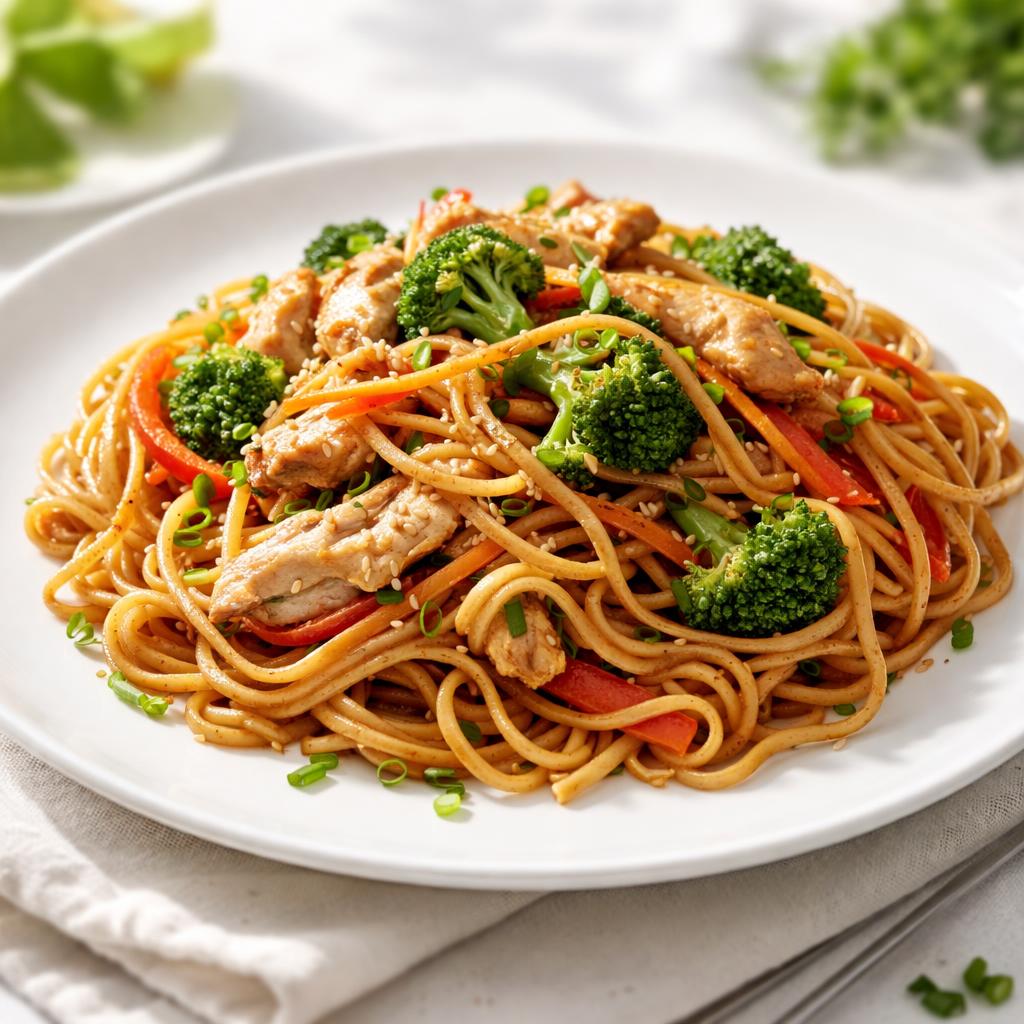
Noodles
🎯 Quick Verdict
Pasta and noodles are both carbohydrate-rich staples, with similar macronutrient profiles. Pasta tends to have slightly higher fiber content, whereas noodles are lower in calories. Both foods can be customized easily with sauces and toppings, making them versatile for different dietary preferences and recipes.

Smart Nutrition Tracking with SnapCalorie

📊 Nutritional Comparison
Macronutrients
| Nutrient | Food 1 | Food 2 | Winner |
|---|---|---|---|
| Calories | 220 (per cooked cup) | 190 (per cooked cup) | ✓ |
| Protein | 7g | 7g | − |
| Carbs | 43g | 40g | ✓ |
| Fat | 1.3g | 2g | ✓ |
| Fiber | 2.5g | 0.8g | ✓ |
Vitamins & Minerals
| Nutrient | Food 1 | Food 2 | Winner |
|---|---|---|---|
| Vitamin B1 (Thiamine) | 0.5mg | 0.4mg | ✓ |
| Folate | 100mcg | 50mcg | ✓ |
| Iron | 1.2mg | 0.6mg | ✓ |
🏆 Category Winners
Protein
Both foods contain equal amounts of protein per serving.
Fiber
Pasta contains over 3 times more fiber than noodles (2.5g vs 0.8g).
Calories
Noodles have fewer calories per serving (190 vs 220).
🥗 Diet Compatibility
Keto
Food 1: Not Compatible
Food 2: Not Compatible
Both are high-carb foods.
Vegan
Food 1: Compatible
Food 2: Compatible
Most pasta and noodles are plant-based; check specific recipes for egg inclusion.
Gluten Free
Food 1: Varies
Food 2: Varies
Standard pasta and noodles contain gluten, but gluten-free options are available.
Paleo
Food 1: Not Compatible
Food 2: Not Compatible
Both are processed grains not allowed in paleo diets.
Low-Carb
Food 1: Not Compatible
Food 2: Not Compatible
High carbohydrate content makes both unsuitable for low-carb diets.
💪 Health Benefits Comparison
Food 1 Benefits
- Higher fiber content supports digestion
- Rich in folate for cell health and energy
- Contains iron for oxygen transport in the body
Food 2 Benefits
- Lower calorie count is suitable for lighter meals
- Quick energy source from carbohydrates
- Versatile for nutrient-dense toppings like vegetables or lean protein
✅ The Bottom Line
Choose pasta when fiber intake and vitamin content are priorities, or opt for noodles if you are seeking a lower-calorie option. Both can be part of balanced meals depending on preparation and portion sizes.
Choose Food 1 for: High-fiber diets, improved digestion, hearty meals
Choose Food 2 for: Lower calorie dishes, quick energy, light meals


