Pasta VS Homemade Bread
A detailed nutritional comparison
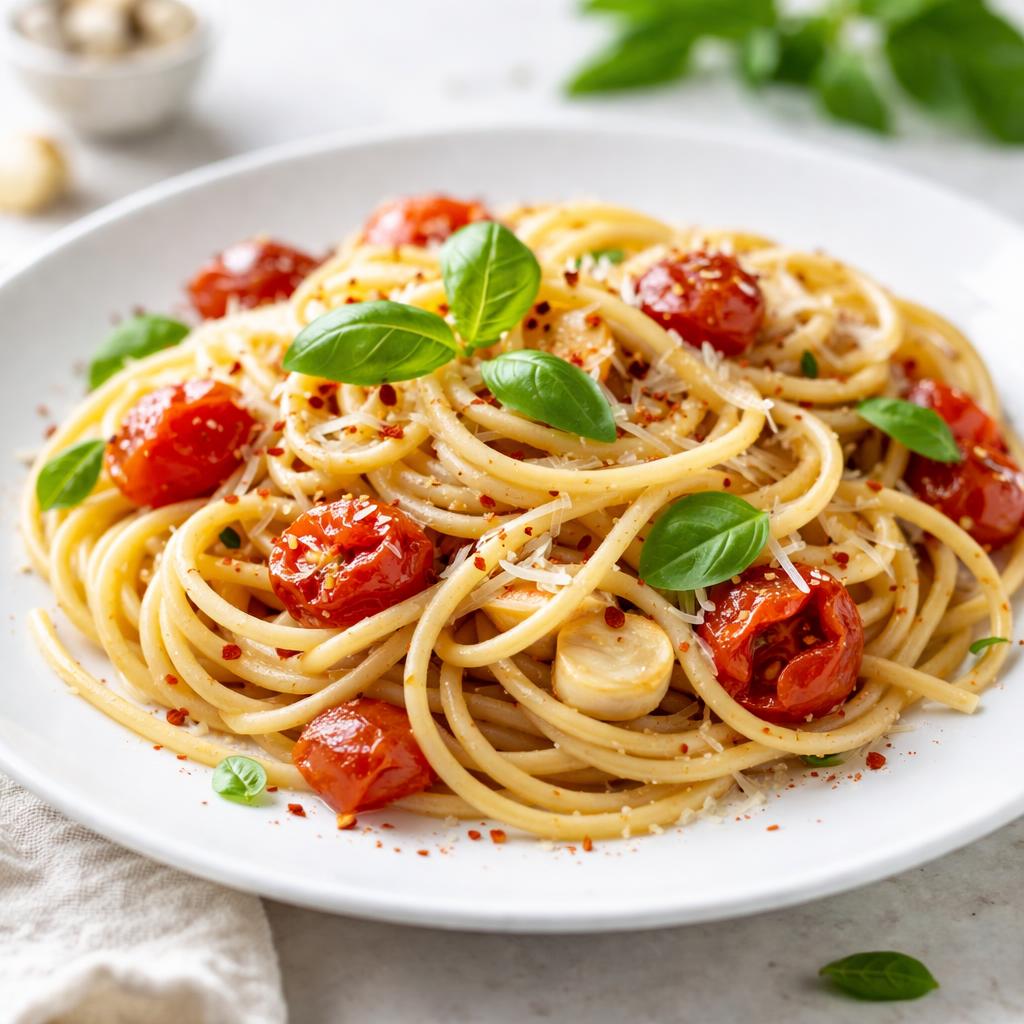
Pasta
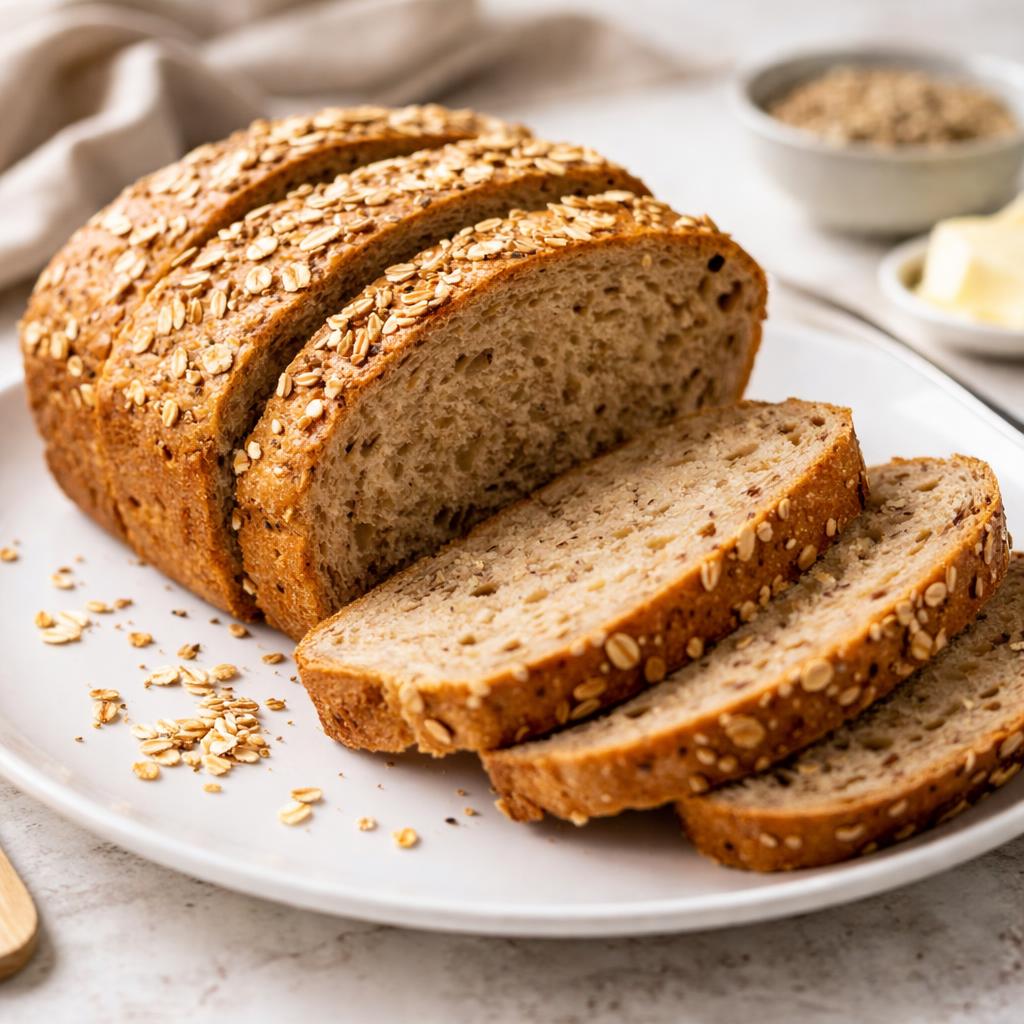
Homemade Bread
🎯 Quick Verdict
Pasta and homemade bread are both carb-heavy staples, but pasta offers more protein (7g vs 5g per serving) and slightly more vitamins and minerals, making it a better option for athletes and muscle maintenance diets. Homemade bread is lower in calories (150 vs 200 per serving) and generally higher in fiber, making it ideal for digestion and calorie-controlled diets.

Smart Nutrition Tracking with SnapCalorie

📊 Nutritional Comparison
Macronutrients
| Nutrient | Food 1 | Food 2 | Winner |
|---|---|---|---|
| Calories | 200 | 150 | ✓ |
| Protein | 7g | 5g | ✓ |
| Carbs | 42g | 28g | ✓ |
| Fat | 1g | 3g | ✓ |
| Fiber | 2g | 3g | ✓ |
Vitamins & Minerals
| Nutrient | Food 1 | Food 2 | Winner |
|---|---|---|---|
| Vitamin B1 (Thiamine) | 0.2mg | 0.1mg | ✓ |
| Iron | 1mg | 0.7mg | ✓ |
| Calcium | 20mg | 15mg | ✓ |
🏆 Category Winners
Protein
Pasta provides 40% more protein compared to homemade bread, beneficial for muscle growth.
Fiber
Homemade bread has 50% more fiber, which supports better digestion.
Calories
Homemade bread is lower in calories by 25%, ideal for weight loss diets.
🥗 Diet Compatibility
Keto
Food 1: Not Compatible
Food 2: Not Compatible
Both pasta and bread are high-carb foods.
Vegan
Food 1: Compatible
Food 2: Compatible
Both foods can be vegan if no animal-derived ingredients are added.
Gluten Free
Food 1: Not Compatible
Food 2: Not Compatible
Both foods traditionally contain gluten unless gluten-free alternatives are used.
Paleo
Food 1: Not Compatible
Food 2: Not Compatible
Neither pasta nor bread fits into a paleo diet due to processed grains.
Low Carb
Food 1: Not Compatible
Food 2: Not Compatible
Both are carb-rich and unsuitable for low-carb diets.
💪 Health Benefits Comparison
Food 1 Benefits
- Good source of protein for muscle repair and growth
- Provides sustained energy due to complex carbohydrates
- Contains essential B vitamins for metabolism
Food 2 Benefits
- Rich in fiber for digestive health
- Lower calorie content for weight management
- Contains small amounts of healthy fats for skin and heart health
✅ The Bottom Line
Choose pasta when prioritizing protein intake, long-lasting energy, or a nutrient-dense meal for sports-related diets. Opt for homemade bread if you want a lower-calorie, high-fiber option that's gentle on digestion and suitable for general weight maintenance.
Choose Food 1 for: Athletes, muscle-building diets, energy-rich meals
Choose Food 2 for: Weight loss diets, digestive health focus, light snacks


