Pasta VS Chickpea Pasta
A detailed nutritional comparison
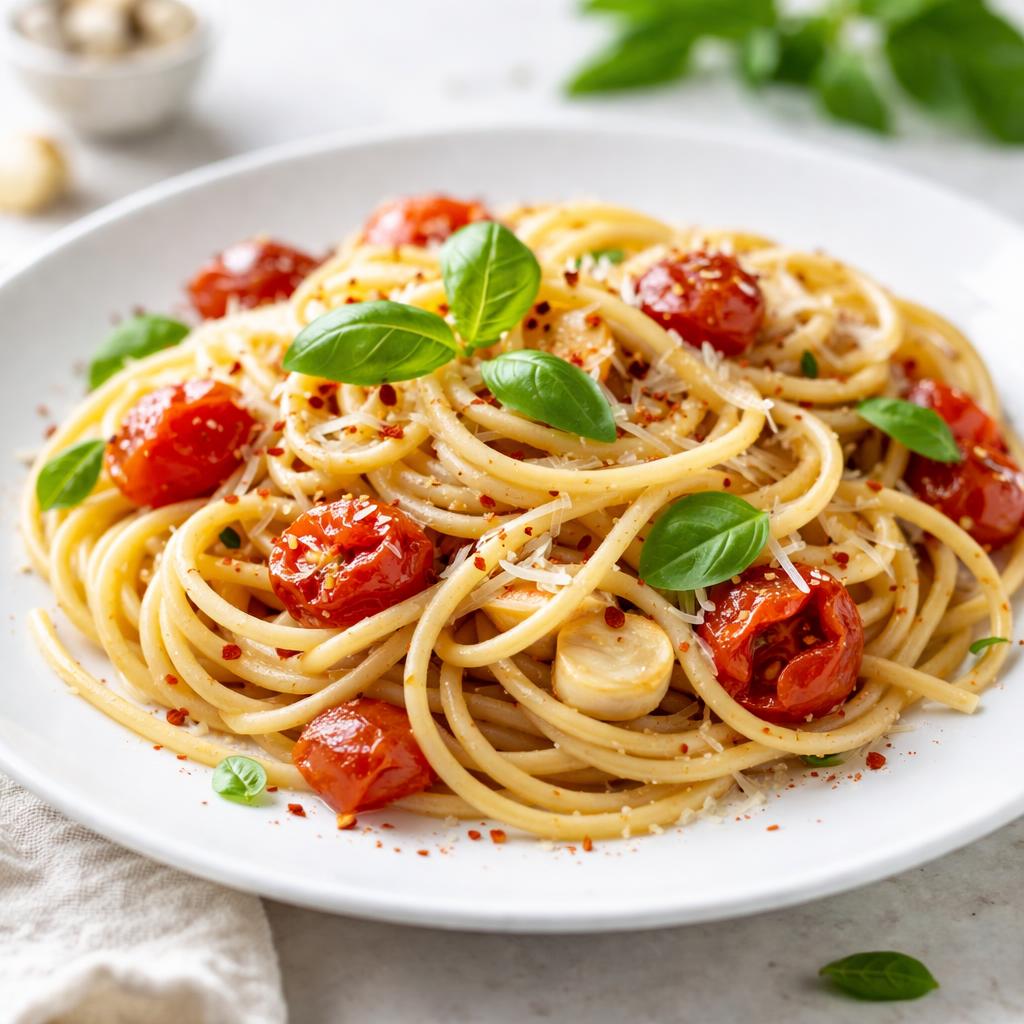
Pasta
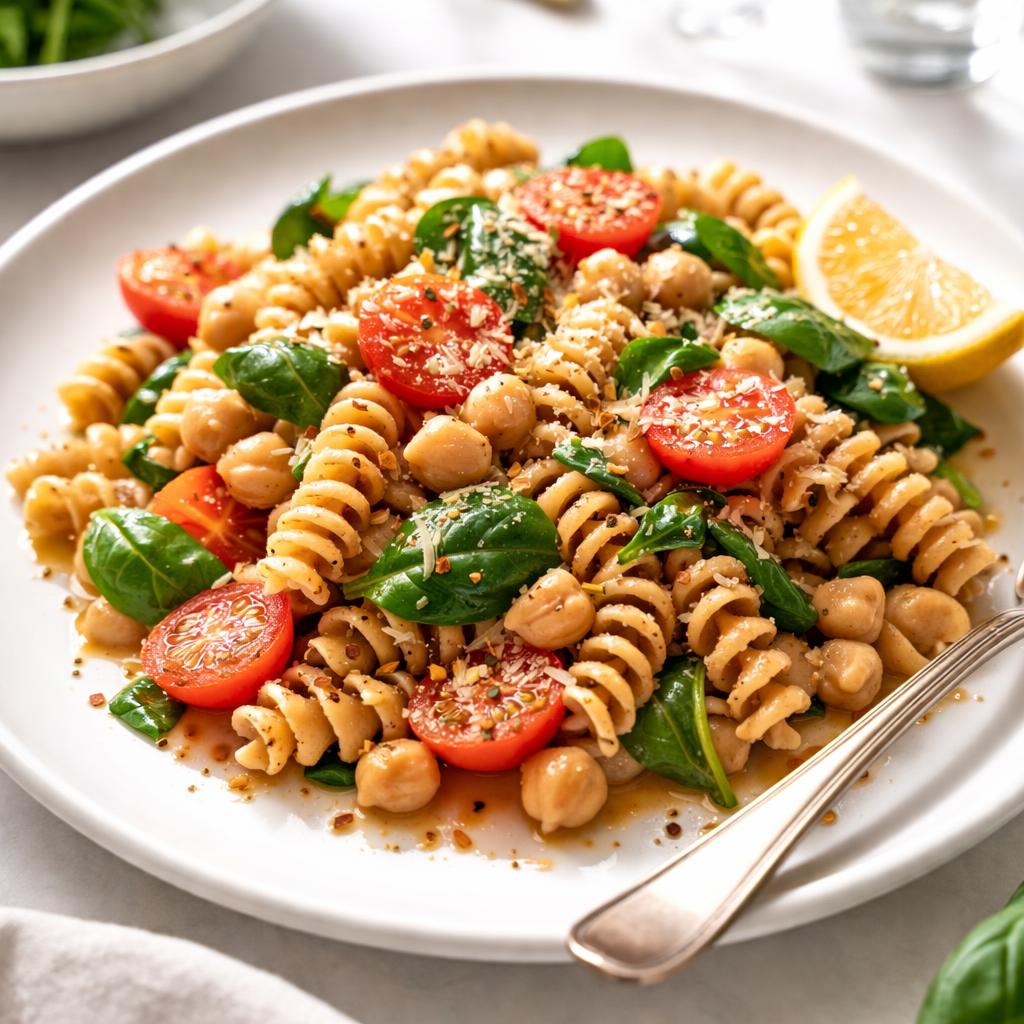
Chickpea Pasta
🎯 Quick Verdict
Chickpea pasta is more nutrient-dense, offering higher protein and fiber per serving while remaining gluten-free, making it ideal for health-conscious consumers. Traditional pasta is lower in calories and carbohydrates but lacks the added nutritional benefits of chickpeas, making it suitable for light meals or carb-focused athletes.

Smart Nutrition Tracking with SnapCalorie

📊 Nutritional Comparison
Macronutrients
| Nutrient | Food 1 | Food 2 | Winner |
|---|---|---|---|
| Calories | 200 | 180 | − |
| Protein | 7g | 13g | − |
| Carbs | 42g | 32g | − |
| Fat | 1g | 3g | − |
| Fiber | 2g | 5g | − |
Vitamins & Minerals
| Nutrient | Food 1 | Food 2 | Winner |
|---|---|---|---|
| Vitamin A | 0mcg | 5mcg | − |
| Calcium | 10mg | 45mg | − |
| Iron | 0.5mg | 3.5mg | − |
🏆 Category Winners
Protein
Chickpea pasta contains nearly twice the protein of traditional pasta.
Fiber
Chickpea pasta has more than double the fiber content.
Calories
Chickpea pasta is slightly lower in calories.
Vitamins
Chickpea pasta provides significantly higher levels of iron, calcium, and vitamin A.
🥗 Diet Compatibility
Keto
Food 1: Not Compatible
Food 2: Not Compatible
Both are high in carbs and unsuitable for ketogenic diets.
Vegan
Food 1: Compatible
Food 2: Compatible
Both options are plant-based and vegan-friendly.
Gluten Free
Food 1: Not Compatible
Food 2: Compatible
Chickpea pasta is made with chickpeas, not wheat, making it gluten-free.
Paleo
Food 1: Not Compatible
Food 2: Compatible
Chickpea pasta fits paleo guidelines due to its legume base.
Low Carb
Food 1: Not Compatible
Food 2: Not Compatible
Neither is suitable as both are relatively high in carbohydrates.
💪 Health Benefits Comparison
Food 1 Benefits
- Quick source of carbohydrates for energy
- Low in fat, good for light meals
- Versatile for a variety of dishes
Food 2 Benefits
- High protein boosts muscle health
- Excellent fiber content supports digestive health
- Gluten-free alternative for individuals with sensitivities
- Rich in iron and calcium for bone health and oxygen transport
✅ The Bottom Line
Choose chickpea pasta for higher protein and fiber content, better vitamin profile, and gluten-free compatibility, ideal for health-conscious and active lifestyles. Traditional pasta suits carb-focused meals or as light, inexpensive staple food in less restrictive diets.
Choose Food 1 for: Light meals, pre-workout carb loading, budget-friendly diets
Choose Food 2 for: Gluten-free diets, high protein and fiber needs, nutrient-dense meals


