Pasta VS Brown Rice And Quinoa
A detailed nutritional comparison
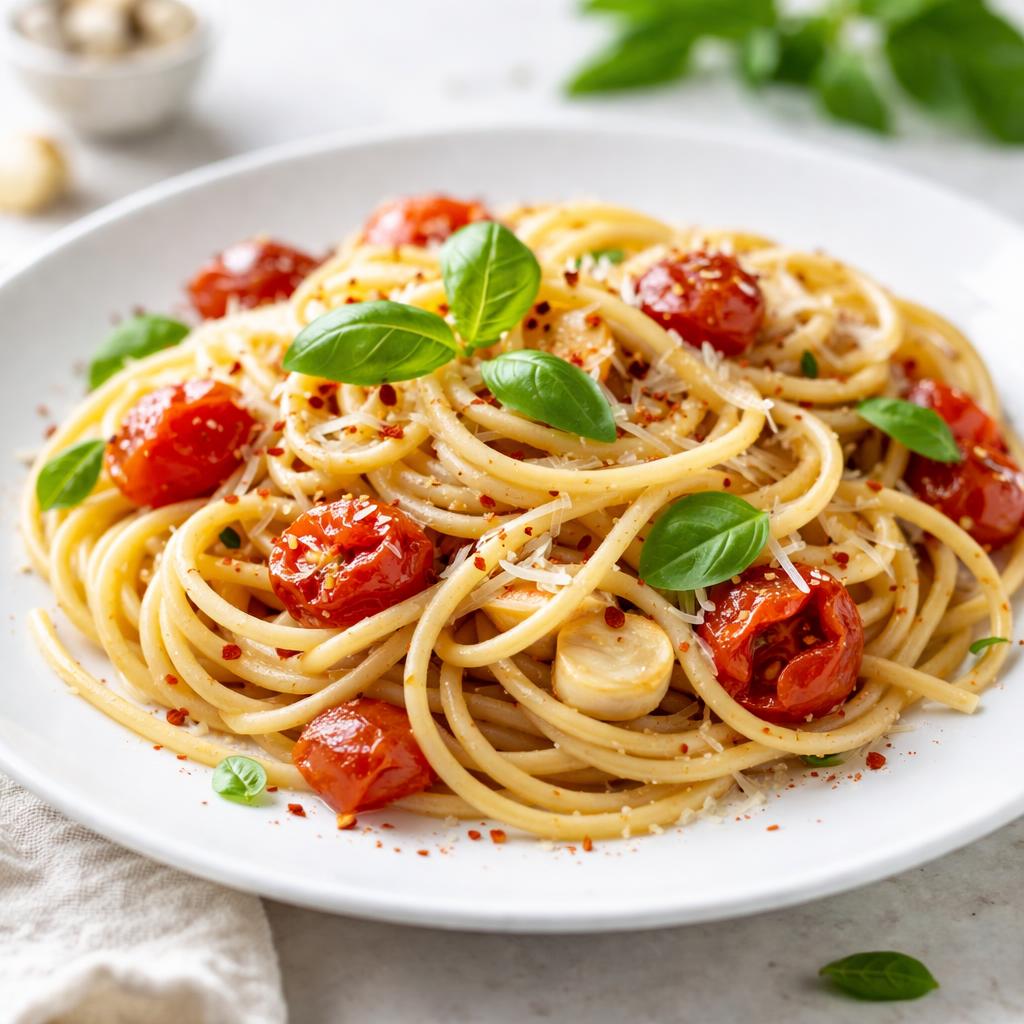
Pasta
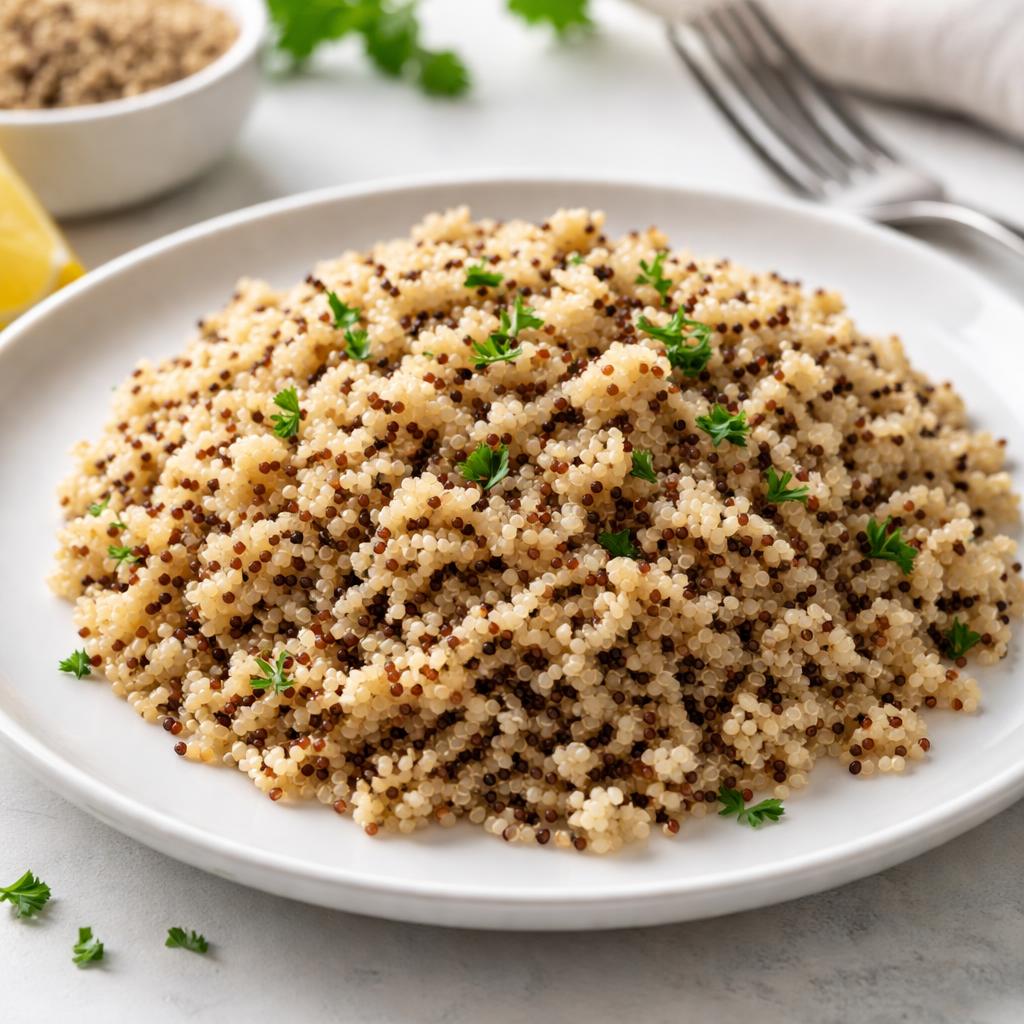
Brown Rice And Quinoa
🎯 Quick Verdict
Brown rice and quinoa (food2) generally offer better nutrition compared to pasta (food1), with higher protein, fiber, and fewer calories per serving. Pasta may be suitable for quick energy due to its higher carb content and is often preferred in dishes requiring a lighter texture. Both foods are versatile but fit distinct dietary needs—food2 is more nutrient-dense while food1 provides energy efficiently.

Smart Nutrition Tracking with SnapCalorie

📊 Nutritional Comparison
Macronutrients
| Nutrient | Food 1 | Food 2 | Winner |
|---|---|---|---|
| Calories | 210 | 170 | ✓ |
| Protein | 7g | 8g | ✓ |
| Carbs | 42g | 32g | ✓ |
| Fat | 1g | 2.5g | ✓ |
| Fiber | 2g | 3g | ✓ |
Vitamins & Minerals
| Nutrient | Food 1 | Food 2 | Winner |
|---|---|---|---|
| Vitamin B6 | 0.1mg | 0.3mg | ✓ |
| Vitamin E | 0.1mg | 0.6mg | ✓ |
| Magnesium | 12mg | 55mg | ✓ |
| Iron | 1mg | 2mg | ✓ |
🏆 Category Winners
Protein
Brown rice and quinoa provide slightly more protein per serving—ideal for those increasing protein intake.
Fiber
Food2 has 50% more fiber, supporting digestion and satiety.
Calories
Food2 contains 19% fewer calories than food1 per 1-cup serving.
🥗 Diet Compatibility
Keto
Food 1: Not Compatible
Food 2: Not Compatible
Both foods are high in carbs and unsuitable for keto diets.
Vegan
Food 1: Compatible
Food 2: Compatible
Both are plant-based and suitable for vegan diets.
Gluten Free
Food 1: Not Compatible
Food 2: Compatible
Food2 is naturally gluten-free while food1 contains gluten unless specified gluten-free pasta.
Paleo
Food 1: Not Compatible
Food 2: Compatible
Food1 is processed and incompatible with paleo diets, while food2 aligns with paleo principles of whole foods.
Low-Carb
Food 1: Not Compatible
Food 2: Not Compatible
Both foods are carb-rich and unsuitable for low-carb diets.
💪 Health Benefits Comparison
Food 1 Benefits
- Quick energy source due to higher carbohydrate content
- Low in fat, making it suitable for lighter meals
- Source of selenium, supporting antioxidant defense
Food 2 Benefits
- High fiber content aids digestion and improves satiety
- More protein supports muscle repair and maintenance
- Rich in magnesium and iron for better energy metabolism
✅ The Bottom Line
Choose brown rice and quinoa (food2) for more nutrient density, protein, and fiber in meals aimed at overall health and wellness. Opt for pasta (food1) when you need quick energy or for dishes demanding a classic texture and flavor profile like Italian cuisine.
Choose Food 1 for: High-energy meals, quick cooking, Italian recipes
Choose Food 2 for: Digestion support, nutrient-dense meals, sustained energy


