Pasta VS Bread Crumbs
A detailed nutritional comparison
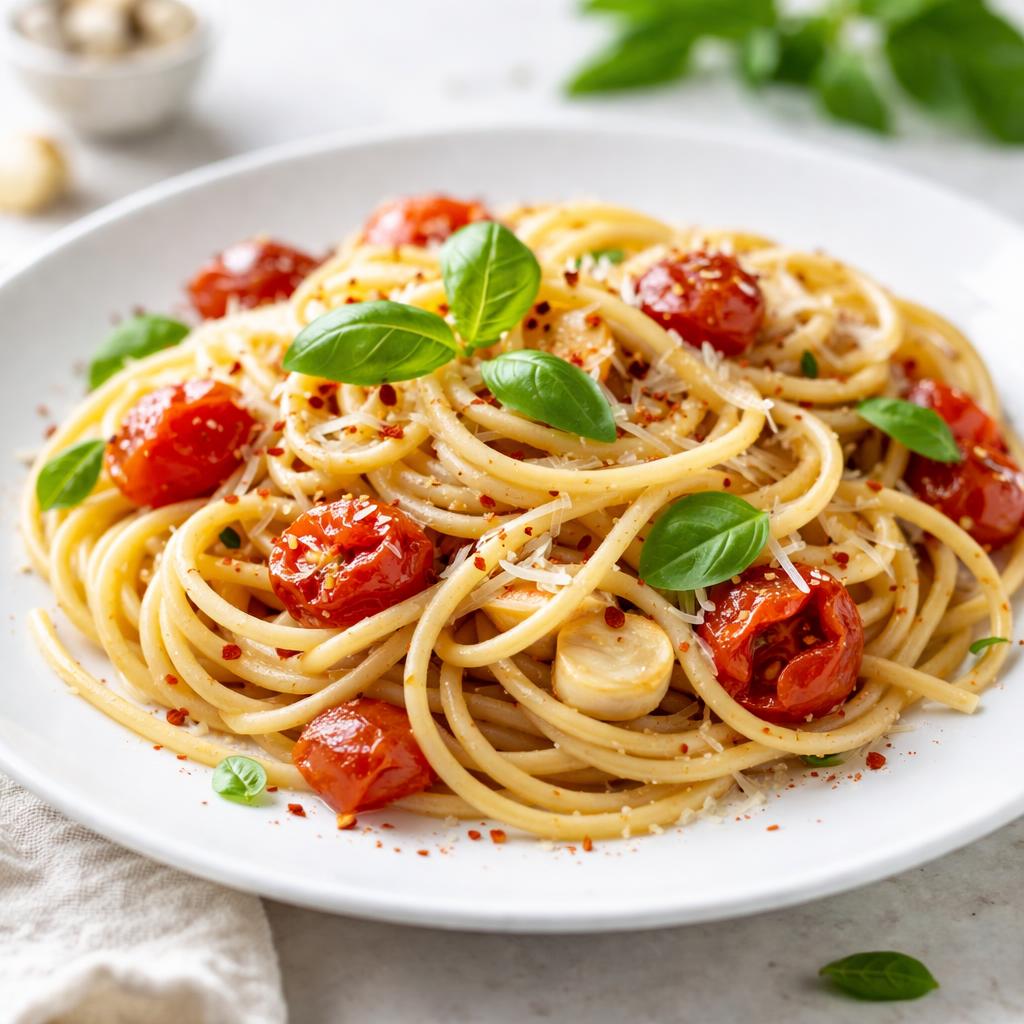
Pasta
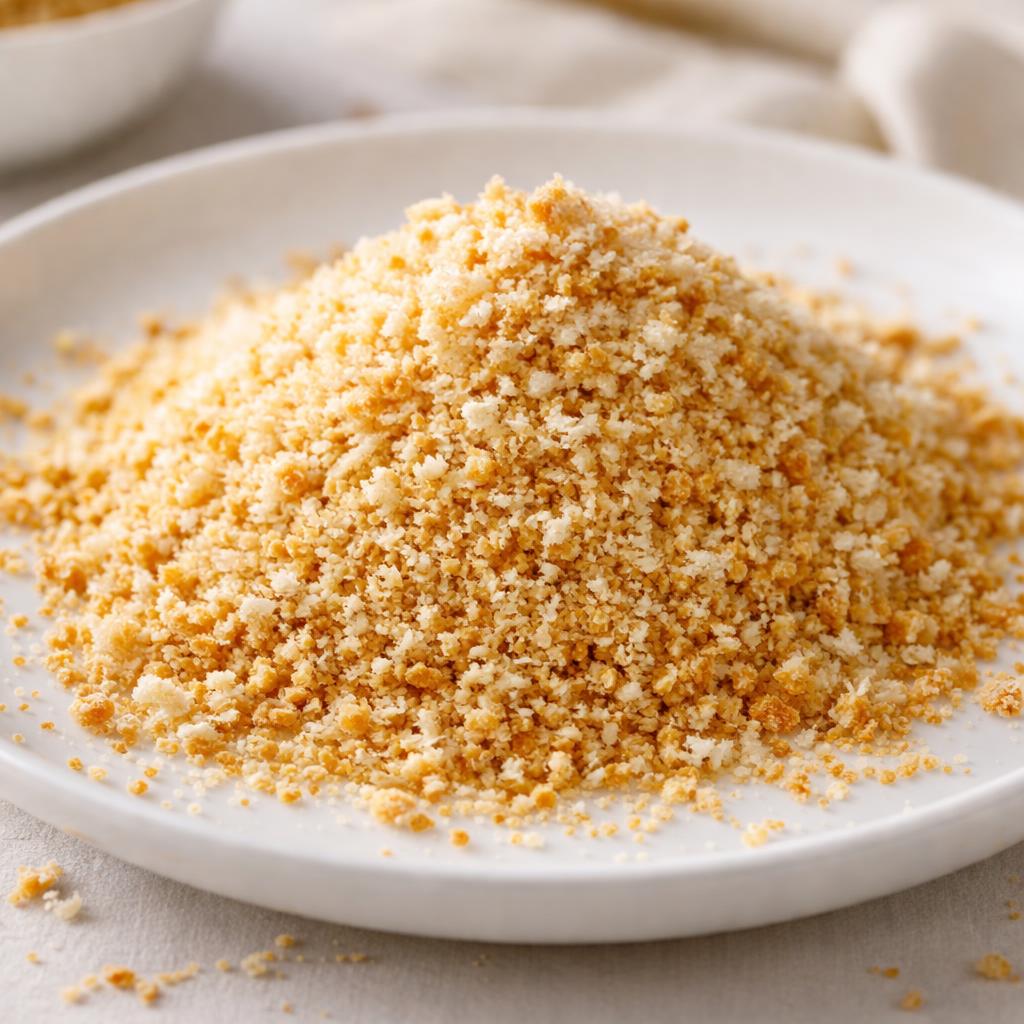
Bread Crumbs
🎯 Quick Verdict
Pasta and bread crumbs differ notably in their nutritional profiles. Pasta is higher in protein and carbohydrates, making it a good energy source, while bread crumbs are lower in calories and have higher fiber content. Pasta is ideal for main meals, while bread crumbs work well for adding crunch or texture to dishes without significantly increasing calories.

Smart Nutrition Tracking with SnapCalorie

📊 Nutritional Comparison
Macronutrients
| Nutrient | Food 1 | Food 2 | Winner |
|---|---|---|---|
| Calories | 200 | 120 | ✓ |
| Protein | 7g | 3g | ✓ |
| Carbs | 42g | 24g | ✓ |
| Fat | 1g | 2g | ✓ |
| Fiber | 2g | 4g | ✓ |
Vitamins & Minerals
| Nutrient | Food 1 | Food 2 | Winner |
|---|---|---|---|
| Vitamin D | 0mcg | 0mcg | − |
| Calcium | 10mg | 20mg | ✓ |
| Iron | 0.5mg | 0.9mg | ✓ |
🏆 Category Winners
Protein
Pasta contains more than twice the protein of bread crumbs per serving.
Fiber
Bread crumbs offer double the fiber, supporting digestive health.
Calories
Bread crumbs are lower in calories, making them better for calorie-conscious diets.
Vitamins
Bread crumbs have slightly higher calcium and iron content compared to pasta.
🥗 Diet Compatibility
Keto
Food 1: Not Compatible
Food 2: Not Compatible
Both foods are high in carbs and not suitable for keto diets.
Vegan
Food 1: Compatible
Food 2: Compatible
Neither food contains animal products.
Gluten Free
Food 1: Not Compatible
Food 2: Not Compatible
Both foods typically contain gluten unless specified as gluten-free.
Paleo
Food 1: Not Compatible
Food 2: Not Compatible
Neither food aligns with paleo dietary restrictions.
Low Carb
Food 1: Not Compatible
Food 2: Not Compatible
Both foods are relatively high in carbohydrates.
💪 Health Benefits Comparison
Food 1 Benefits
- Provides sustained energy due to high carbohydrate content
- A good source of protein for muscle maintenance
- Low in fat, suitable for low-fat diets
Food 2 Benefits
- High in fiber, supporting digestive health
- Low in calories, aiding weight management
- Provides trace amounts of calcium and iron for bone and blood health
✅ The Bottom Line
Choose pasta for higher protein content and sustained energy meals, while bread crumbs are better suited for calorie-conscious individuals and enhancing textures in dishes. Both are versatile but cater to different dietary needs.
Choose Food 1 for: Energy-dense meals, post-workout recovery, traditional main dishes
Choose Food 2 for: Light calorie-controlled side dishes, breading textures, improved fiber intake


