Pasta Sauce VS Sweet Potato Noodles
A detailed nutritional comparison
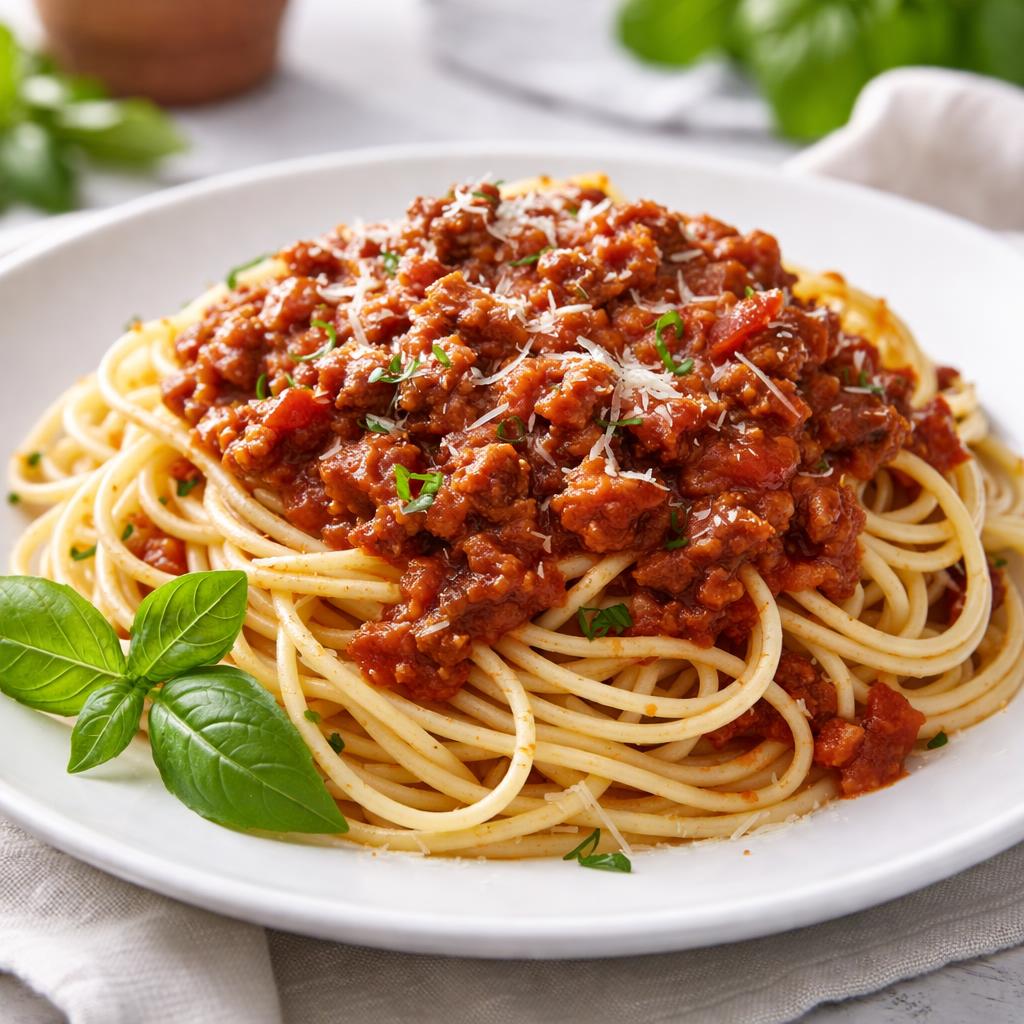
Pasta Sauce
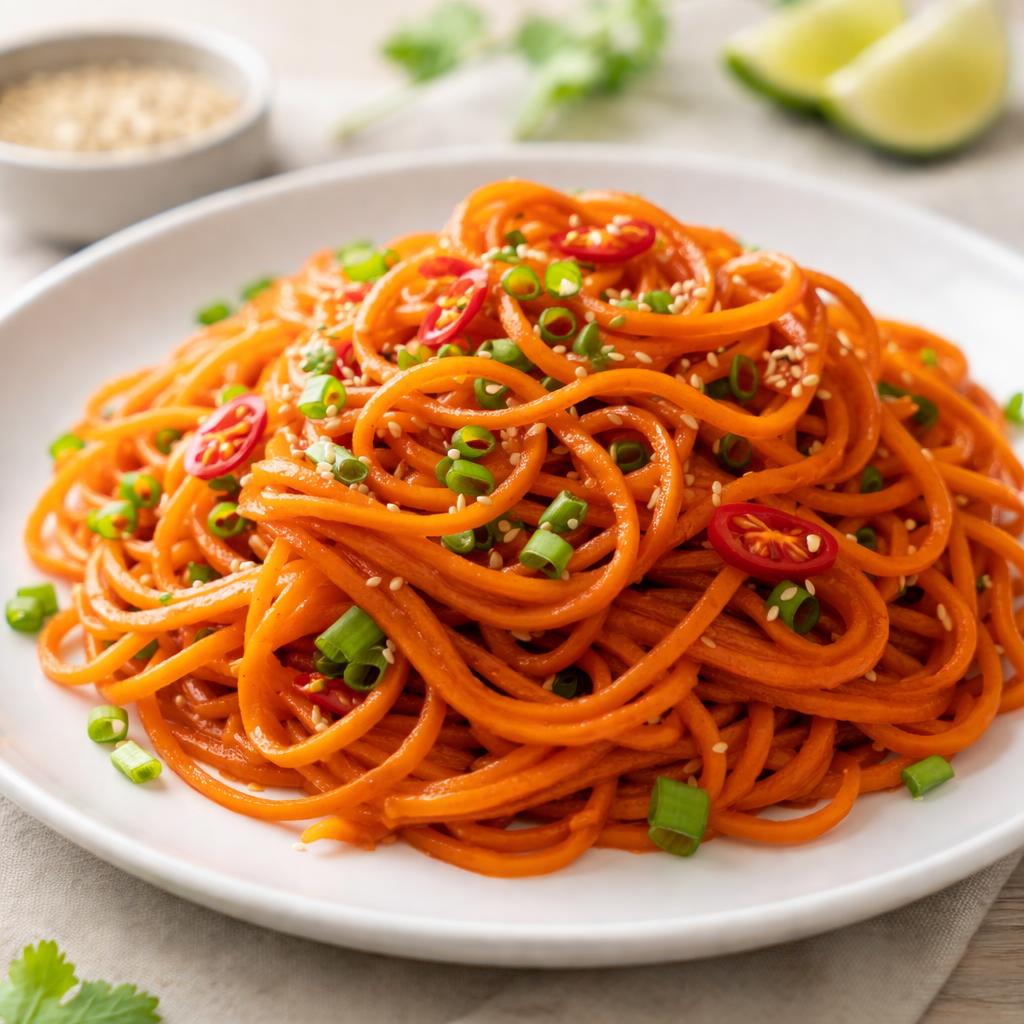
Sweet Potato Noodles
🎯 Quick Verdict
Sweet potato noodles outshine pasta sauce in terms of fiber and calorie content, making them ideal for nutrient-dense, lower-calorie dishes. Pasta sauce, while versatile, is higher in calories primarily due to added sugar or oil. Use the sauce for flavor additions and sweet potato noodles as a health-forward carb substitute in meals.

Smart Nutrition Tracking with SnapCalorie

📊 Nutritional Comparison
Macronutrients
| Nutrient | Food 1 | Food 2 | Winner |
|---|---|---|---|
| Calories | 90 per ½ cup | 70 per 1 cup (raw) | ✓ |
| Protein | 2g | 2g | − |
| Carbs | 16g | 20g | ✓ |
| Fat | 4g | 0g | ✓ |
| Fiber | 2g | 4g | ✓ |
Vitamins & Minerals
| Nutrient | Food 1 | Food 2 | Winner |
|---|---|---|---|
| Vitamin A | 200IU | 10,000IU | ✓ |
| Vitamin C | 5mg | 13mg | ✓ |
| Calcium | 30mg | 40mg | ✓ |
🏆 Category Winners
Protein
Both foods have equally low protein content.
Fiber
Sweet potato noodles have double the fiber per serving, aiding digestion.
Calories
Food2 is lower in calories, with 70 compared to pasta sauce's 90.
Vitamins
Sweet potato noodles are rich in Vitamin A and Vitamin C compared to pasta sauce.
🥗 Diet Compatibility
Keto
Food 1: Not Compatible
Food 2: Not Compatible
Both foods are relatively high in carbs.
Vegan
Food 1: Compatible
Food 2: Compatible
Both foods are plant-based.
Gluten Free
Food 1: Compatible
Food 2: Compatible
Neither contains gluten, assuming pasta sauce is gluten-free certified.
Paleo
Food 1: Not Compatible
Food 2: Compatible
Sweet potato noodles align with Paleo principles, whereas pasta sauce may contain processed ingredients.
Low Carb
Food 1: Not Compatible
Food 2: Not Compatible
Both are moderately high in carbs per serving.
💪 Health Benefits Comparison
Food 1 Benefits
- Convenient and versatile for adding flavor to meals
- Contains some antioxidants from tomatoes
- Provides small amounts of calcium for bone health
Food 2 Benefits
- High in Vitamin A, supporting eye health
- Rich in fiber for improved digestion
- Low calorie, suitable for weight management
- Contains Vitamin C to boost immune function
✅ The Bottom Line
Sweet potato noodles are nutritionally superior due to their high fiber and vitamin content, making them the healthier choice overall. Pasta sauce, while less nutrient-dense, is a flavorful addition to meals. Combine them for balanced options or use sweet potato noodles as a standalone base for low-calorie, nutrient-packed dishes.
Choose Food 1 for: Quick flavoring, adding moisture to recipes, pairing with proteins
Choose Food 2 for: Nutrient-dense carbs, weight management, Paleo-friendly meals


