Pasta Sauce VS Pasta With Cheese
A detailed nutritional comparison
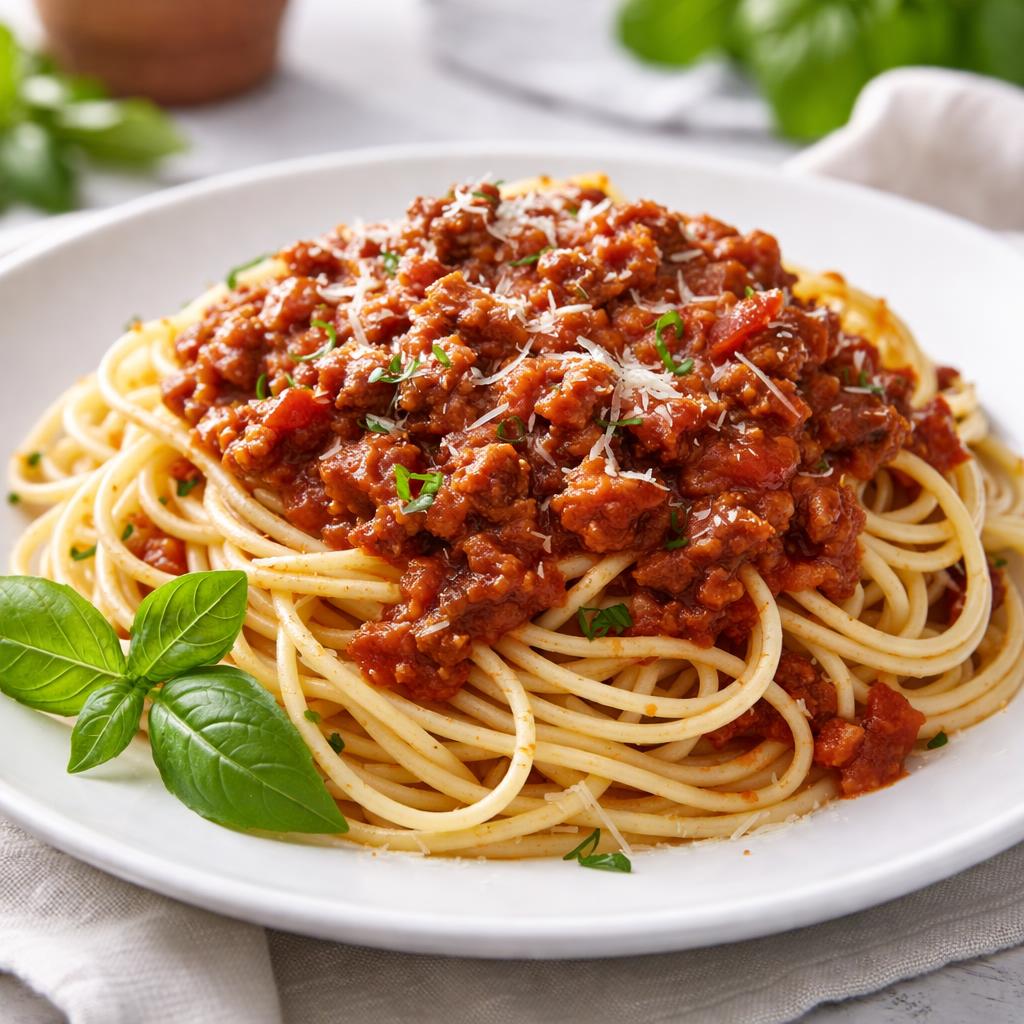
Pasta Sauce
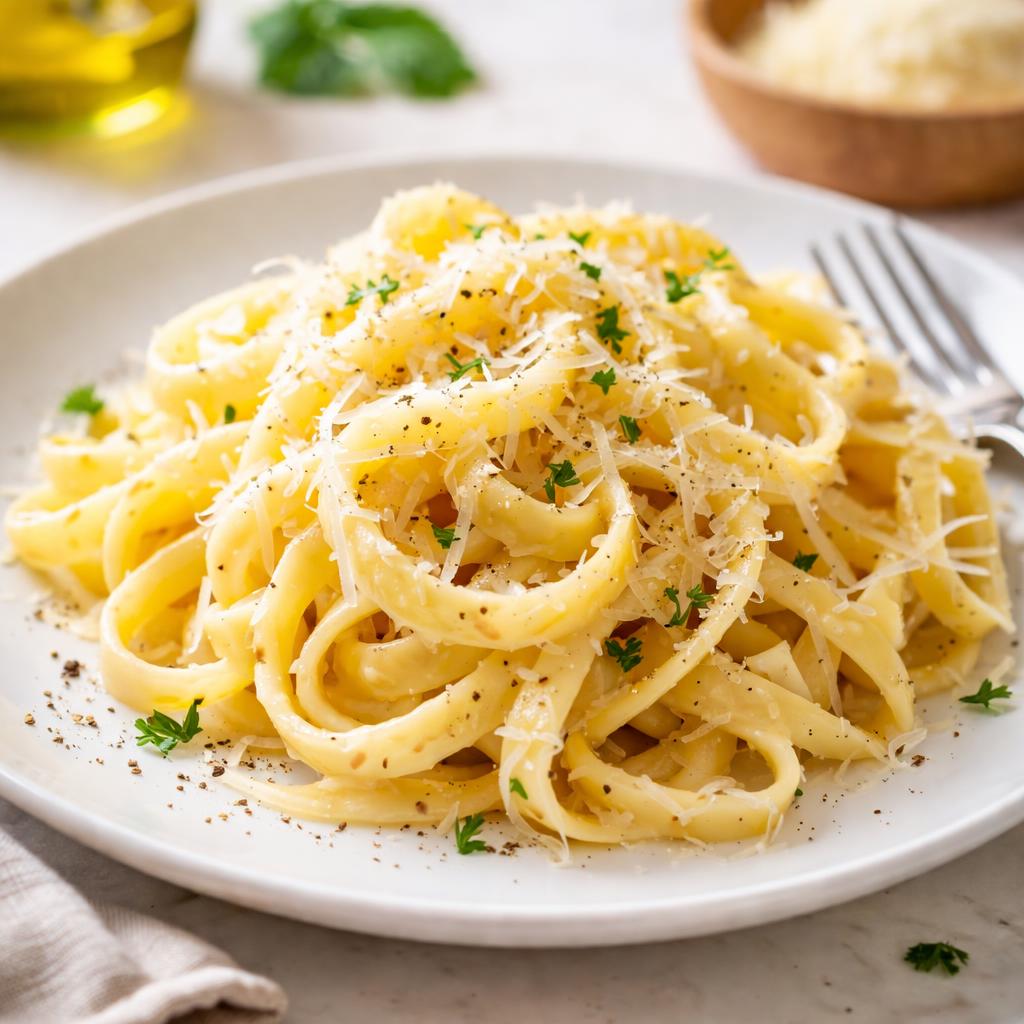
Pasta With Cheese
🎯 Quick Verdict
Pasta sauce is a lower-calorie option with modest vitamins and minerals, making it a good addition for lighter meals. Pasta with cheese provides more protein and overall nutrients, but it is higher in calories and fat, ideal for energy-dense meals. Both foods are good sources of fiber, but their compatibility with diets varies based on composition.

Smart Nutrition Tracking with SnapCalorie

📊 Nutritional Comparison
Macronutrients
| Nutrient | Food 1 | Food 2 | Winner |
|---|---|---|---|
| Calories | − | ||
| Protein | − | ||
| Carbs | − | ||
| Fat | − | ||
| Fiber | − |
Vitamins & Minerals
| Nutrient | Food 1 | Food 2 | Winner |
|---|---|---|---|
| Vitamin D | − | ||
| Calcium | − | ||
| Iron | − |
🏆 Category Winners
Protein
Pasta with cheese contains significantly more protein from the cheese and pasta combination.
Fiber
Both foods offer similar fiber content at 2g per serving.
Calories
Pasta sauce has 77% fewer calories than pasta with cheese, making it a lighter option.
Vitamins
Pasta with cheese is richer in essential vitamins like calcium and iron.
🥗 Diet Compatibility
Keto
Food 1: Unknown
Food 2: Unknown
Both foods are high in carbohydrates.
Vegan
Food 1: Unknown
Food 2: Unknown
Pasta sauce is plant-based, whereas cheese makes pasta with cheese unsuitable for vegans.
Gluten Free
Food 1: Unknown
Food 2: Unknown
Pasta with cheese contains gluten unless specified as gluten-free.
Paleo
Food 1: Unknown
Food 2: Unknown
Neither is suitable due to processed ingredients.
Low-Carb
Food 1: Unknown
Food 2: Unknown
Pasta sauce is lower-carb compared to pasta with cheese.
💪 Health Benefits Comparison
Food 1 Benefits
Food 2 Benefits
✅ The Bottom Line
Choose pasta sauce for a lighter, nutrient-dense side, especially if you’re watching calories or need a vegan option. Pasta with cheese is better for protein needs, meal variety, or energy-packed dishes. Pairing the two can balance flavors and nutrition.


