Pasta Sauce VS Baked Pasta
A detailed nutritional comparison
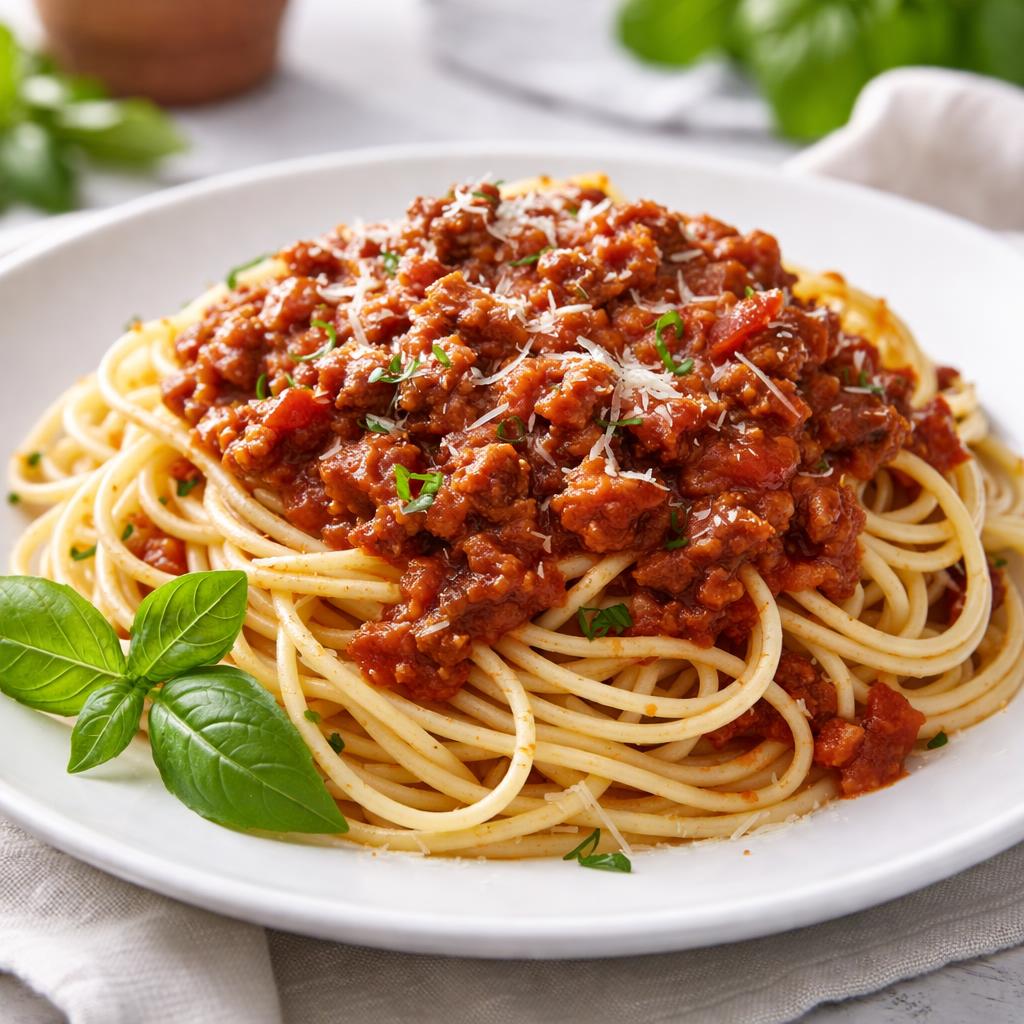
Pasta Sauce
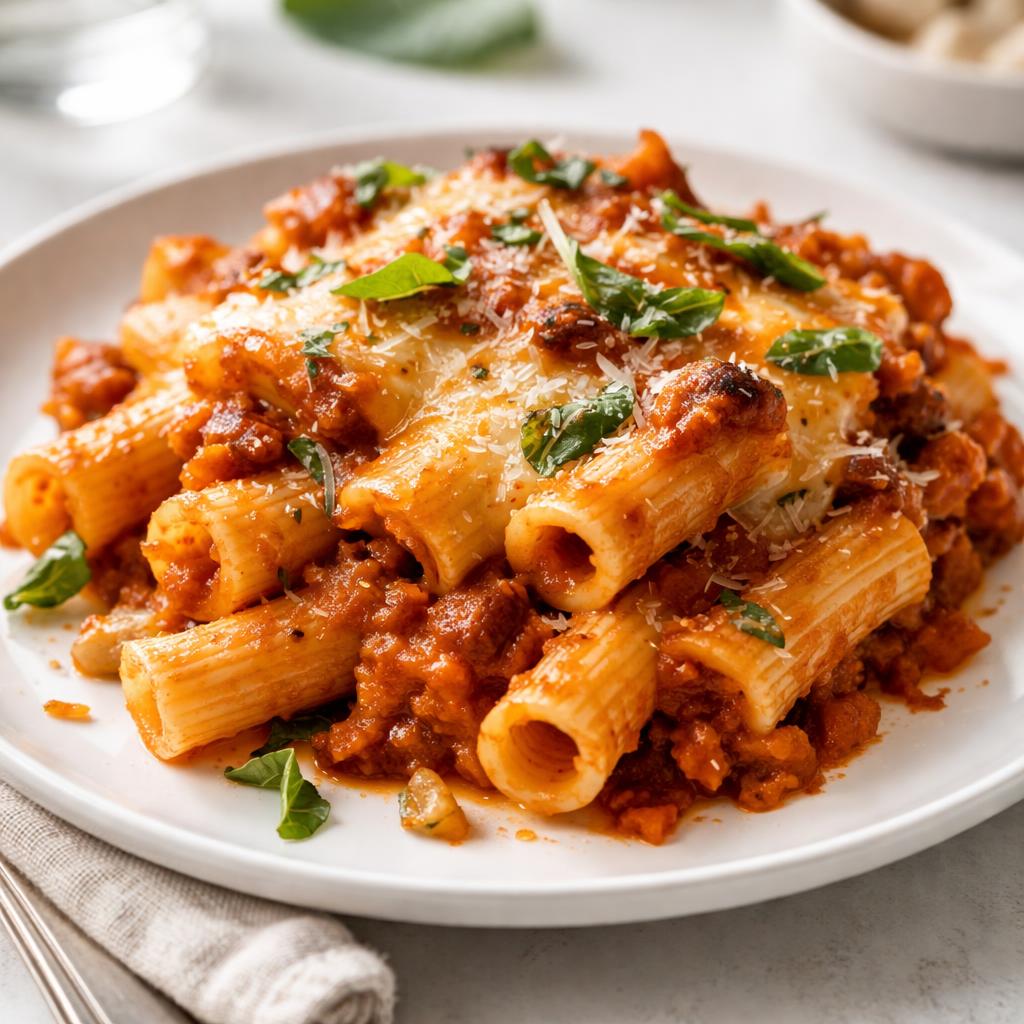
Baked Pasta
🎯 Quick Verdict
Baked pasta is more nutrient-dense overall, offering higher protein and fiber content per serving. Pasta sauce is significantly lighter in calories, making it ideal for those seeking lower-calorie meal options. Baked pasta works better as a more filling and balanced dish, whereas pasta sauce can complement meals without adding significant caloric load.

Smart Nutrition Tracking with SnapCalorie

📊 Nutritional Comparison
Macronutrients
| Nutrient | Food 1 | Food 2 | Winner |
|---|---|---|---|
| Calories | 80 kcal | 300 kcal | ✓ |
| Protein | 2g | 10g | ✓ |
| Carbs | 12g | 40g | ✓ |
| Fat | 2g | 8g | ✓ |
| Fiber | 1g | 3g | ✓ |
Vitamins & Minerals
| Nutrient | Food 1 | Food 2 | Winner |
|---|---|---|---|
| Vitamin C | 6mg | 3mg | ✓ |
| Calcium | 20mg | 50mg | ✓ |
| Iron | 0.5mg | 1mg | ✓ |
🏆 Category Winners
Protein
Baked pasta contains 5 times more protein than pasta sauce per serving.
Fiber
Baked pasta offers 3x more fiber per serving.
Calories
Pasta sauce has significantly fewer calories, ideal for light meals.
Vitamins
Pasta sauce is a richer source of vitamin C, due to the tomato base.
🥗 Diet Compatibility
Keto
Food 1: Not Compatible
Food 2: Not Compatible
Both foods are high-carb options.
Vegan
Food 1: Compatible
Food 2: Can be Compatible
Pasta sauce is plant-based, and baked pasta can be made vegan depending on the recipe.
Gluten Free
Food 1: Compatible
Food 2: Can be Compatible
Pasta sauce is gluten-free, baked pasta can use gluten-free alternatives.
Paleo
Food 1: Not Compatible
Food 2: Not Compatible
Neither fits paleo due to grains and processed ingredients.
Low-Carb
Food 1: Not Compatible
Food 2: Not Compatible
Both foods exceed typical low-carb limits due to high carbohydrate content.
💪 Health Benefits Comparison
Food 1 Benefits
- Low in calories, useful for weight management
- Rich in vitamin C for immune health
- Contains antioxidants from tomatoes to combat inflammation
Food 2 Benefits
- Higher protein for muscle repair and maintenance
- Good source of dietary fiber for digestion
- Provides essential minerals like iron and calcium
✅ The Bottom Line
Choose pasta sauce when aiming for a light, low-calorie addition to meals or topping for dishes. Opt for baked pasta if seeking a satiating and nutrient-dense option that provides balanced macros and supports energy needs.
Choose Food 1 for: Low-calorie meals, side dish complement, topping base
Choose Food 2 for: Hearty meals, post-workout recovery, nutrient-dense dishes


