Pasta Salad VS Rotini Pasta
A detailed nutritional comparison
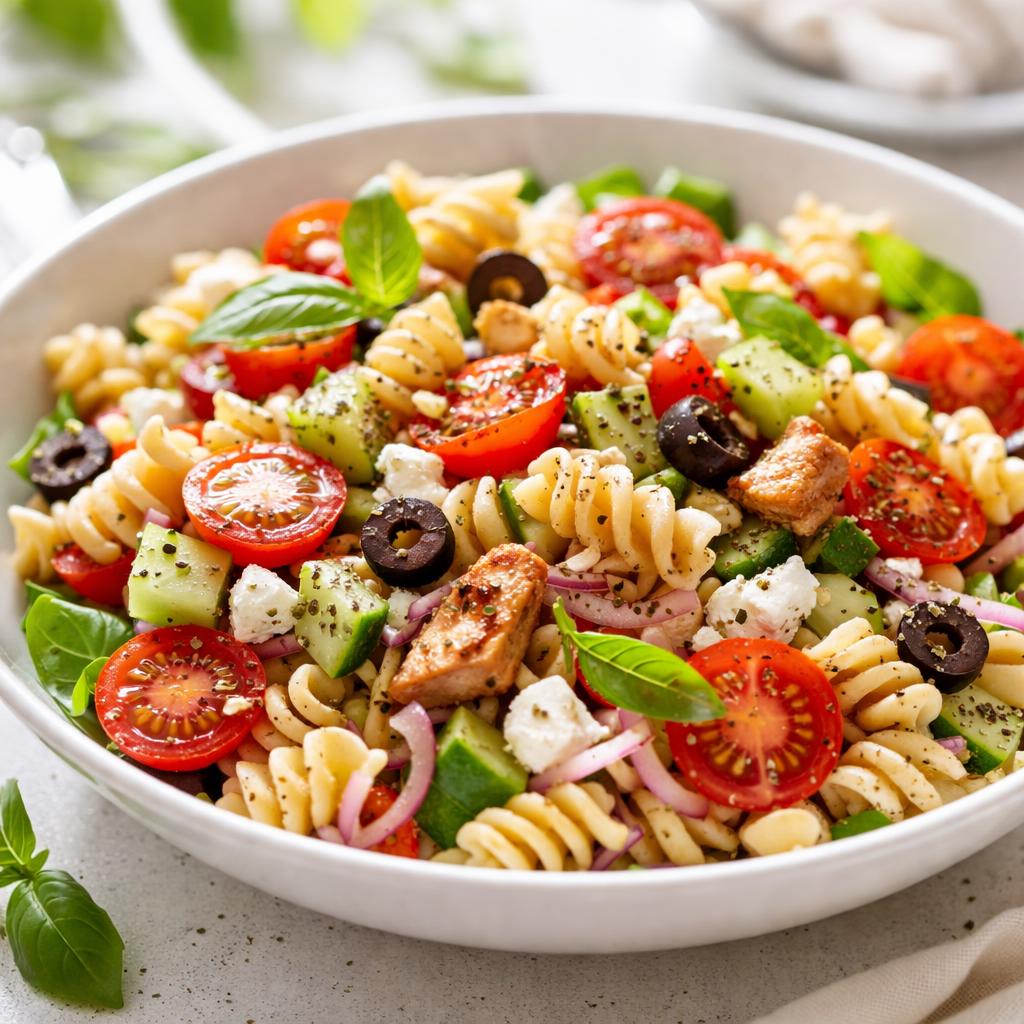
Pasta Salad
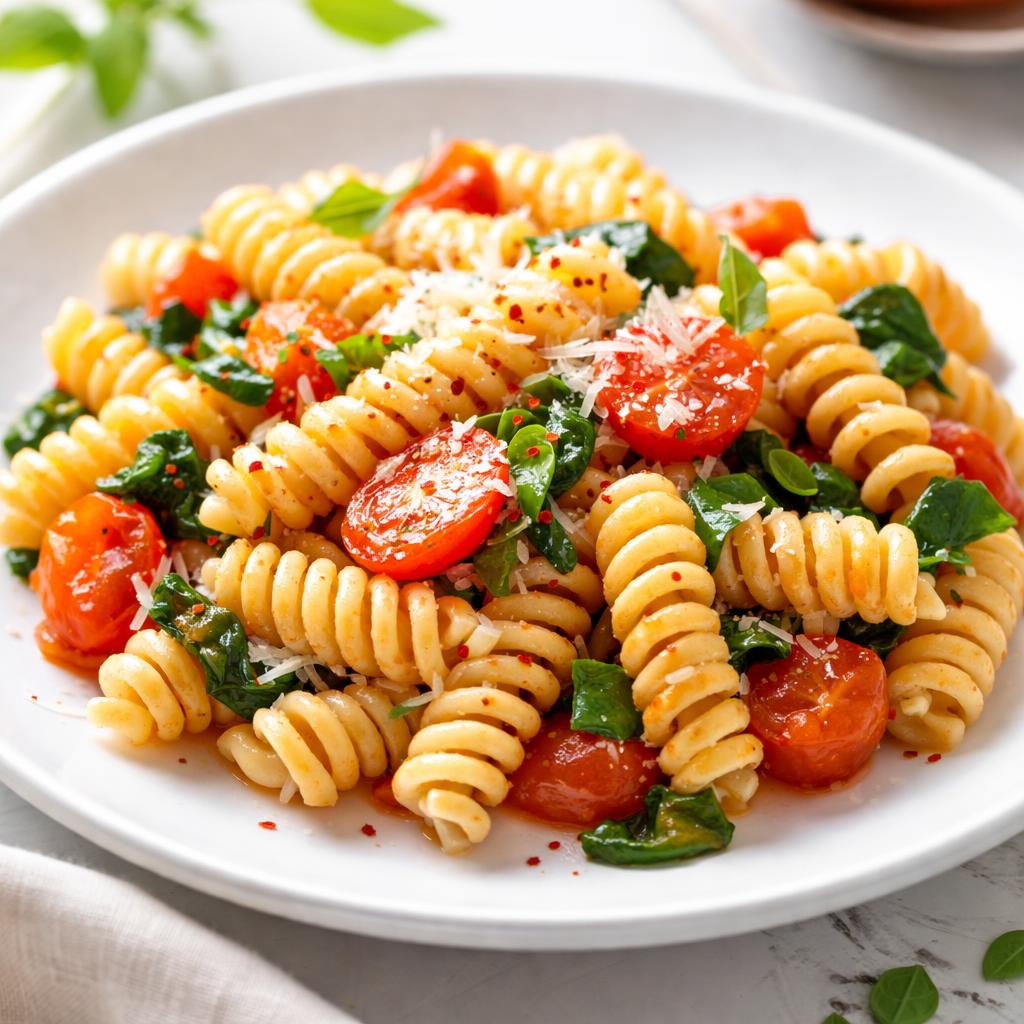
Rotini Pasta
🎯 Quick Verdict
Rotini pasta and pasta salad differ in preparation and nutrition. Pasta salad provides more fiber due to added vegetables, while rotini pasta has slightly fewer calories per serving. Food 1 (pasta salad) is better for a fiber boost, and Food 2 (rotini pasta) is good for simpler, base carb-focused meals.

Smart Nutrition Tracking with SnapCalorie

📊 Nutritional Comparison
Macronutrients
| Nutrient | Food 1 | Food 2 | Winner |
|---|---|---|---|
| Calories | 220 | 200 | ✓ |
| Protein | 7g | 7g | − |
| Carbs | 32g | 41g | ✓ |
| Fat | 8g | 1g | ✓ |
| Fiber | 4g | 2g | ✓ |
Vitamins & Minerals
| Nutrient | Food 1 | Food 2 | Winner |
|---|---|---|---|
| Vitamin C | 5mg | 0mg | ✓ |
| Calcium | 40mg | 15mg | ✓ |
| Iron | 1.5mg | 1.1mg | ✓ |
🏆 Category Winners
Protein
Both foods have 7g of protein per serving.
Fiber
Food 1 has double the fiber content due to added vegetables.
Calories
Food 2 is lighter with 200 calories per serving vs 220 for Food 1.
Vitamins
Pasta salad includes vegetables, offering more vitamin C and calcium.
🥗 Diet Compatibility
Keto
Food 1: Not Compatible
Food 2: Not Compatible
Both are high-carb and not suitable for keto diets.
Vegan
Food 1: Compatible
Food 2: Compatible
Both foods are typically plant-based but check for cheese or dairy in pasta salad.
Gluten Free
Food 1: Not Compatible
Food 2: Not Compatible
Both contain wheat and are unsuitable for gluten-free diets without substitutions.
Paleo
Food 1: Not Compatible
Food 2: Not Compatible
Both consist of processed grains and don't fit paleo guidelines.
Low-Carb
Food 1: Not Compatible
Food 2: Not Compatible
Both have high carb content exceeding typical low-carb limits.
💪 Health Benefits Comparison
Food 1 Benefits
- Higher fiber content aids digestion
- Added vegetables boost vitamin C and calcium
- Balanced fat levels for satiety
Food 2 Benefits
- Lower calorie option for lighter meals
- Provides energy through high-quality complex carbs
- Low fat content keeps meals clean and simple
✅ The Bottom Line
Rotini pasta is simpler and lower in calories, making it suitable for energy-focused meals or weight management. Pasta salad provides more fiber and micronutrients, being ideal for balanced nutrient intake or digestion-focused diets.
Choose Food 1 for: Digestive health, nutrient diversity, balanced meals
Choose Food 2 for: Weight management, energy-focused meals, simple carb sources


