Overnight Oats VS Steel Cut Oats
A detailed nutritional comparison
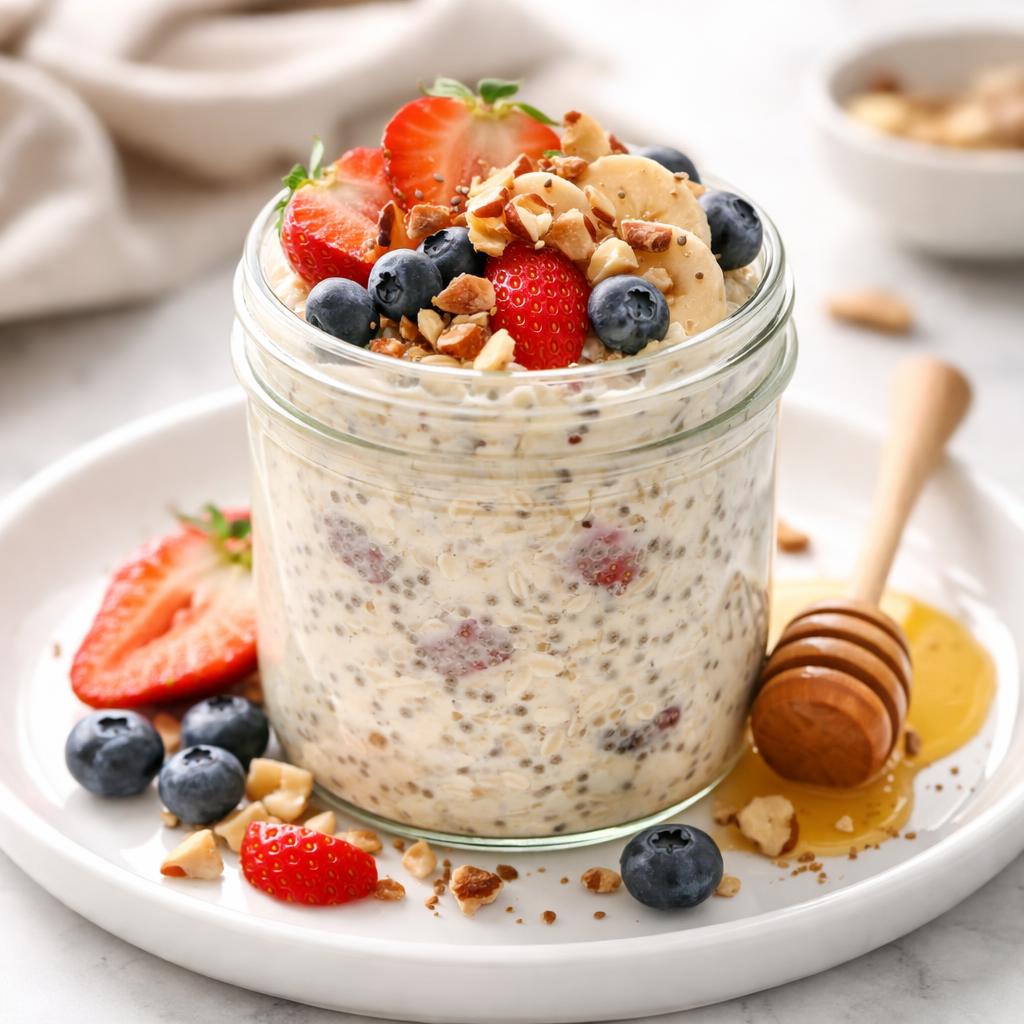
Overnight Oats
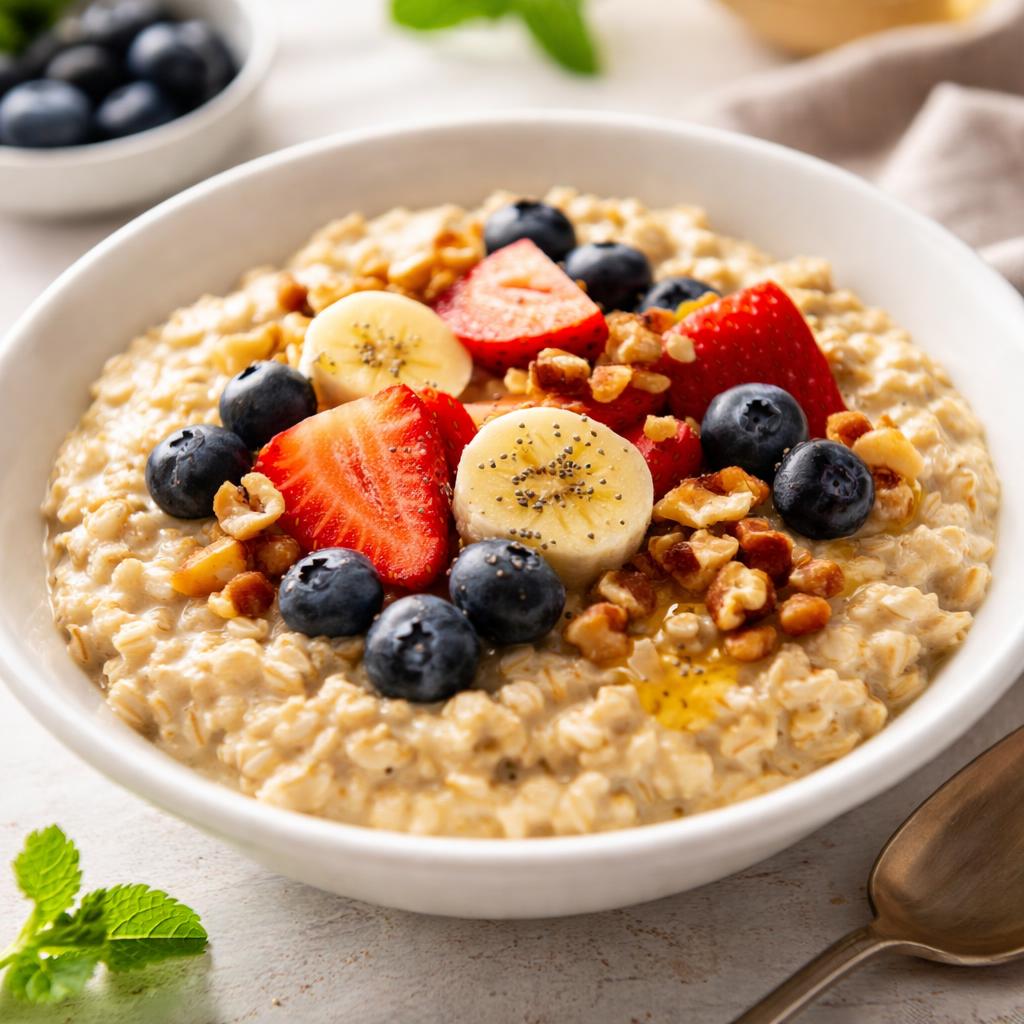
Steel Cut Oats
🎯 Quick Verdict
While overnight oats and steel cut oats are both nutritious whole-grain options, steel cut oats edge out in protein and fiber content per serving due to minimal processing. Overnight oats, however, are more versatile and easier to prepare, offering convenience without compromising much nutritionally. Both options are excellent for sustained energy and digestion, but steel cut oats might slightly favor those on a tighter caloric or nutrient-dense regimen.

Smart Nutrition Tracking with SnapCalorie

📊 Nutritional Comparison
Macronutrients
| Nutrient | Food 1 | Food 2 | Winner |
|---|---|---|---|
| Calories | 190 | 150 | ✓ |
| Protein | 6g | 7g | ✓ |
| Carbs | 32g | 27g | ✓ |
| Fat | 3g | 2.5g | ✓ |
| Fiber | 4g | 5g | ✓ |
Vitamins & Minerals
| Nutrient | Food 1 | Food 2 | Winner |
|---|---|---|---|
| Vitamin D | 0mcg | 0mcg | − |
| Calcium | 40mg | 30mg | ✓ |
| Iron | 2mg | 2.2mg | ✓ |
🏆 Category Winners
Protein
Steel cut oats have 1g more protein per serving, making them slightly higher in this macro.
Fiber
Steel cut oats offer 25% more fiber than overnight oats per serving.
Calories
Steel cut oats contain roughly 40 fewer calories per serving than overnight oats.
Vitamins
Both foods offer comparable nutritive value with slight differences in calcium and iron.
🥗 Diet Compatibility
Keto
Food 1: Not Compatible
Food 2: Not Compatible
Both options are high in carbs and are unsuitable for keto diets.
Vegan
Food 1: Compatible
Food 2: Compatible
Both are plant-based and vegan-friendly.
Gluten Free
Food 1: Compatible if certified gluten-free oats are used
Food 2: Compatible if certified gluten-free oats are used
Oats can contain cross-contamination unless specifically labeled gluten-free.
Paleo
Food 1: Not Compatible
Food 2: Not Compatible
Since oats are grains, they are excluded from strict paleo diets.
Low Carb
Food 1: Not Compatible
Food 2: Not Compatible
Both are high-carb foods, unsuitable for low-carb diets.
💪 Health Benefits Comparison
Food 1 Benefits
- Provides sustained energy with complex carbs
- Easier to digest due to soaking process
- Can be customized with nutrient-dense toppings like fruits and nuts
- Great source of fiber for digestion and cardiovascular health
Food 2 Benefits
- Higher protein and fiber content for enhanced satiety
- Less processed, resulting in slower digestion and better blood sugar control
- Rich in minerals like iron for oxygen transport
- Low-calorie option for weight management
✅ The Bottom Line
Both overnight oats and steel cut oats are excellent whole-grain options, but steel cut oats slightly win for their higher protein and fiber content and lower caloric density. Overnight oats excel in convenience and customizability, making them easier to integrate into fast-paced mornings. Your choice should ultimately hinge on flavor preference, preparation time, and nutritional priorities.
Choose Food 1 for: Busy mornings, quick prep, customization with toppings
Choose Food 2 for: Weight management, nutrient density, enhanced satiety


