Overnight Oats VS Sourdough Bread
A detailed nutritional comparison
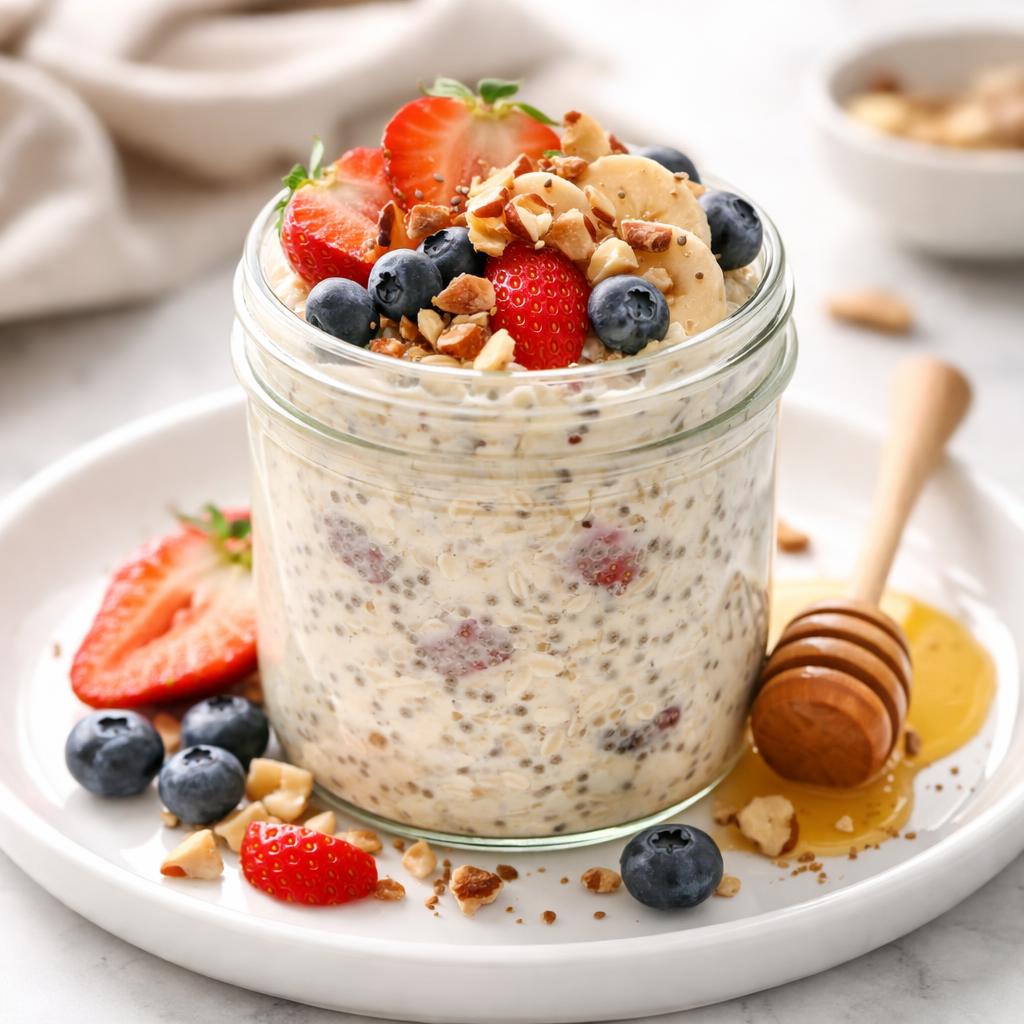
Overnight Oats
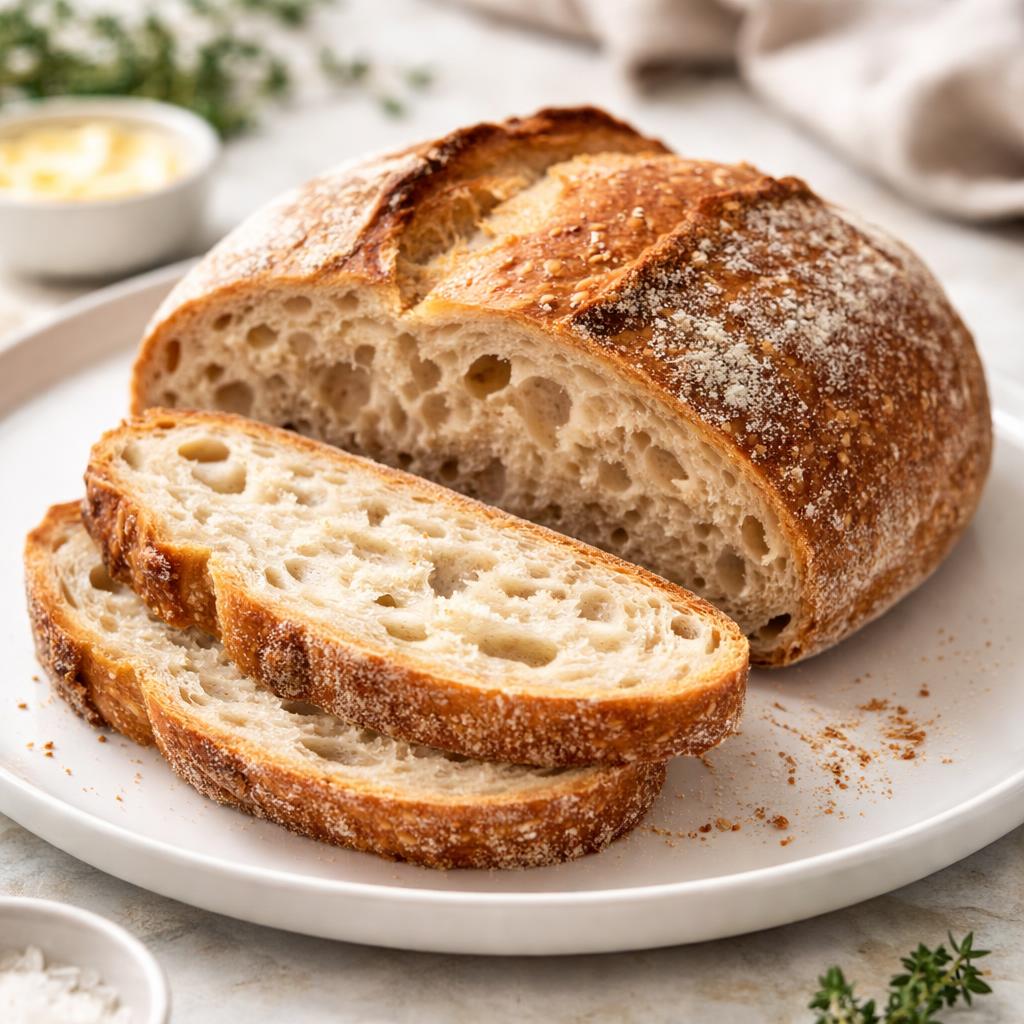
Sourdough Bread
🎯 Quick Verdict
Overnight oats are higher in protein (6g vs 4g) and fiber (4g vs 1g), making them better for digestion and muscle maintenance. Sourdough bread contains fewer calories (160 vs 200 per serving) and provides sustained energy due to slower-digesting carbs. Overnight oats work well as a meal prep breakfast, while sourdough is perfect as a light, versatile carb source throughout the day.

Smart Nutrition Tracking with SnapCalorie

📊 Nutritional Comparison
Macronutrients
| Nutrient | Food 1 | Food 2 | Winner |
|---|---|---|---|
| Calories | 200 | 160 | ✓ |
| Protein | 6g | 4g | ✓ |
| Carbs | 27g | 33g | ✓ |
| Fat | 5g | 1g | ✓ |
| Fiber | 4g | 1g | ✓ |
Vitamins & Minerals
| Nutrient | Food 1 | Food 2 | Winner |
|---|---|---|---|
| Vitamin D | 0mcg | 0mcg | − |
| Calcium | 120mg | 80mg | ✓ |
| Iron | 1.8mg | 1mg | ✓ |
🏆 Category Winners
Protein
Food1 contains 50% more protein, ideal for muscle building.
Fiber
Food1 offers 4x the fiber per serving compared to Food2.
Calories
Food2 is 20% lower in calories per serving, making it lighter.
Vitamins
Overnight oats provide more calcium and iron for bone and blood health.
🥗 Diet Compatibility
Keto
Food 1: Not Compatible
Food 2: Not Compatible
Both are high-carb and do not fit keto guidelines.
Vegan
Food 1: Compatible
Food 2: Compatible
Neither contains animal products.
Gluten Free
Food 1: Compatible if gluten-free oats are used
Food 2: Not Compatible
Food1 can be gluten-free if prepared with certified oats; Food2 contains wheat-based flour.
Paleo
Food 1: Not Compatible
Food 2: Not Compatible
Both contain grains, which are excluded from paleo diets.
Low-Carb
Food 1: Not Compatible
Food 2: Not Compatible
Both foods are relatively high in carbohydrates.
💪 Health Benefits Comparison
Food 1 Benefits
- High in soluble fiber for digestion and heart health
- Rich in complex carbs for sustained energy
- Provides micronutrients like iron and calcium for bone and blood health
- Can include healthy add-ins like nuts, seeds, and fruit for customizable nutrition
Food 2 Benefits
- Contains probiotics from fermentation for gut health
- Lower in fat and calories, making it a light choice for weight management
- Slow-digesting carbs for stable blood sugar and long-lasting energy
- Versatile in meals, from sandwiches to snacks
✅ The Bottom Line
Choose overnight oats for a nutrient-dense, satisfying breakfast with higher protein and fiber. Opt for sourdough bread if you need a lighter, versatile carb option low in fat while providing steady energy. Both foods fit balanced diets but are suitable for different purposes.
Choose Food 1 for: Breakfast, muscle growth, digestion support
Choose Food 2 for: Light lunches, easy snacks, sustained energy throughout the day


