Overnight Oats VS Seed Bread
A detailed nutritional comparison
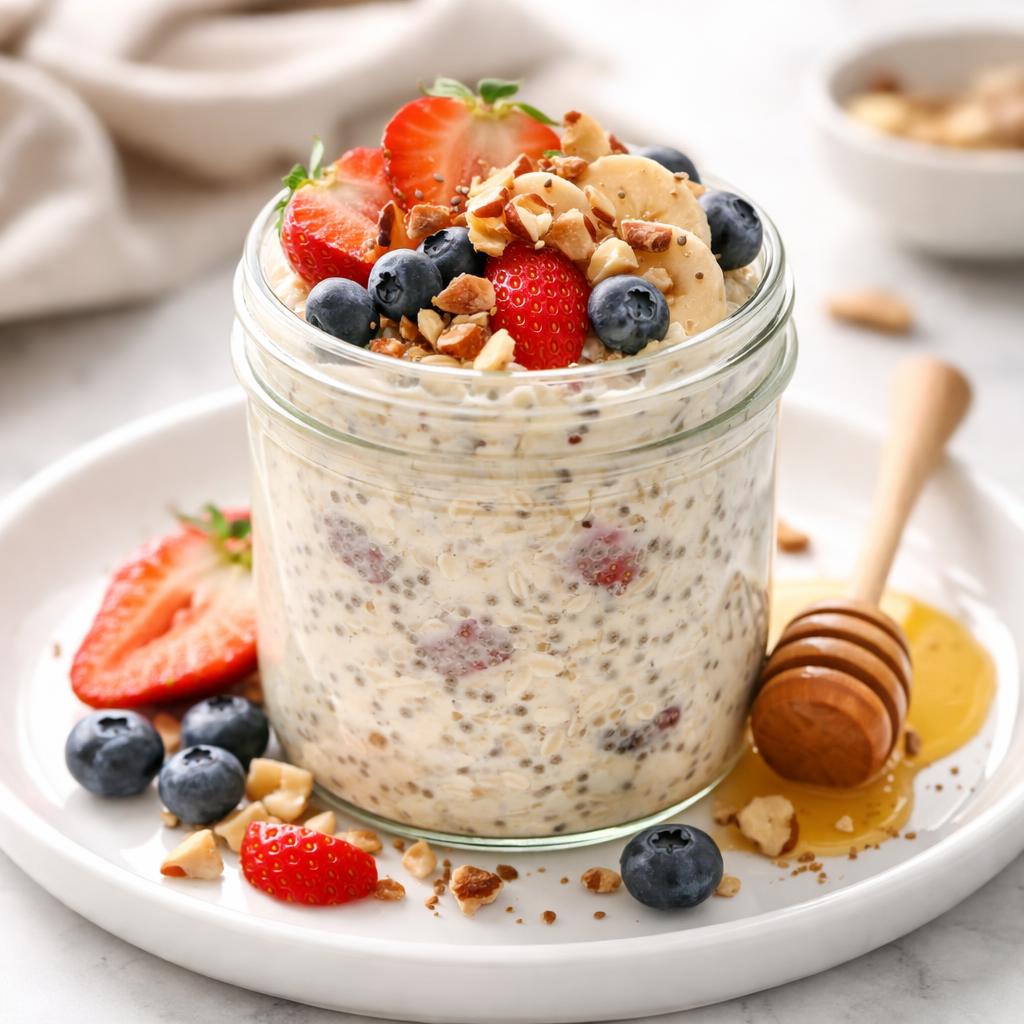
Overnight Oats
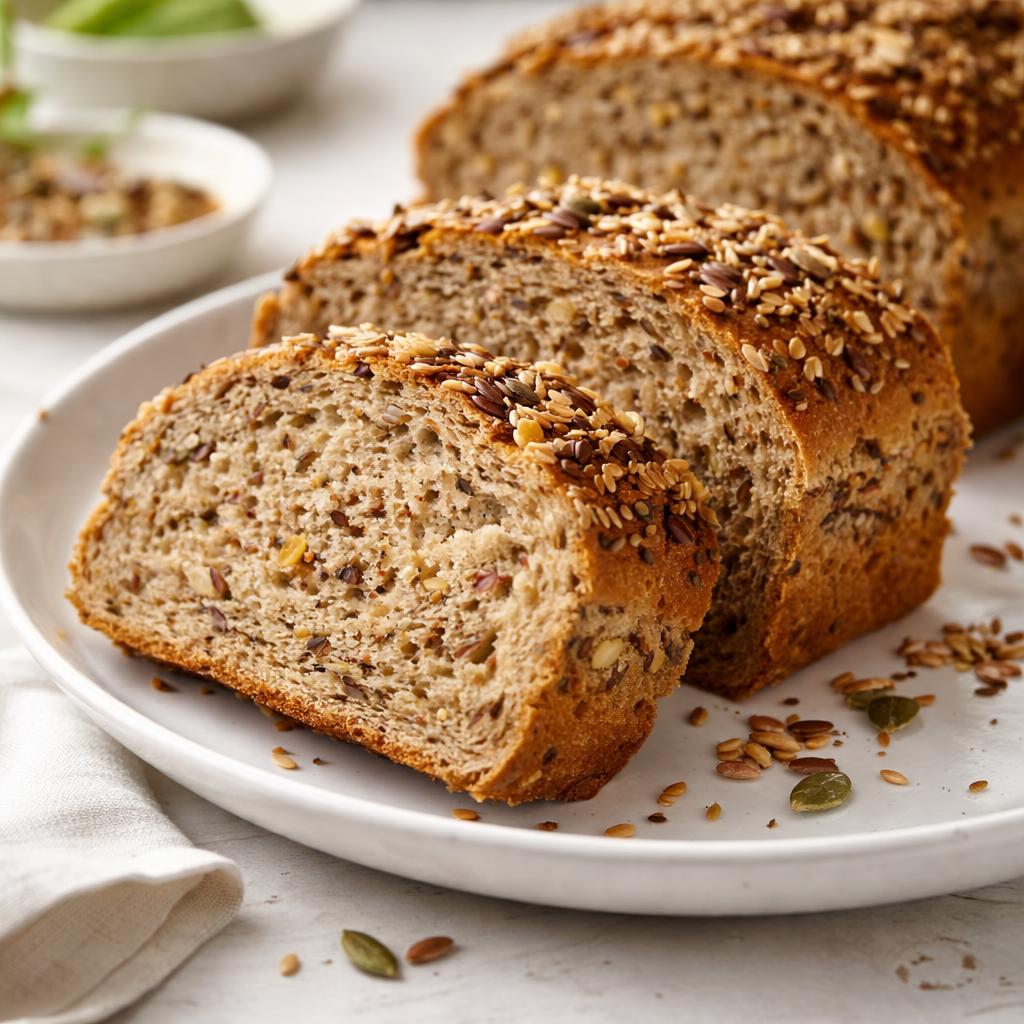
Seed Bread
🎯 Quick Verdict
Overnight oats and seed bread serve different nutritional purposes. Seed bread excels in protein and fiber, making it ideal for sustained energy and digestion. Overnight oats shine in lower calorie density and being a balanced, quick to prepare meal. Both are versatile and nutrient-dense options for a healthy diet.

Smart Nutrition Tracking with SnapCalorie

📊 Nutritional Comparison
Macronutrients
| Nutrient | Food 1 | Food 2 | Winner |
|---|---|---|---|
| Calories | 150 kcal | 200 kcal | ✓ |
| Protein | 5g | 10g | ✓ |
| Carbs | 30g | 15g | ✓ |
| Fat | 3g | 10g | ✓ |
| Fiber | 4g | 8g | ✓ |
Vitamins & Minerals
| Nutrient | Food 1 | Food 2 | Winner |
|---|---|---|---|
| Vitamin D | 0mcg | 0mcg | − |
| Calcium | 100mg | 60mg | ✓ |
| Iron | 2mg | 3mg | ✓ |
| Magnesium | 40mg | 80mg | ✓ |
🏆 Category Winners
Protein
Seed bread provides twice as much protein per serving as overnight oats.
Fiber
Seed bread contains 100% more fiber, supporting gut health better.
Calories
Overnight oats are 25% lower in calorie density, ideal for weight-conscious diets.
Vitamins
Both foods offer unique micronutrient profiles but with advantages in different areas (calcium for oats, magnesium for bread).
🥗 Diet Compatibility
Keto
Food 1: Not Compatible
Food 2: Compatible
Seed bread is low-carb and fits keto diets, while oats are high-carb.
Vegan
Food 1: Compatible
Food 2: Compatible
Both foods are plant-based and vegan-friendly.
Gluten Free
Food 1: Compatible if using gluten-free oats
Food 2: May or may not be compatible
Gluten-free oats make food1 adaptable; food2 depends on recipe and flour.
Paleo
Food 1: Not Compatible
Food 2: Compatible
Seed bread aligns with paleo principles; oats do not due to their grain content.
Low-Carb
Food 1: Not Compatible
Food 2: Compatible
Seed bread is low-carb, meeting low-carb guidelines, while oats are high in carbs.
💪 Health Benefits Comparison
Food 1 Benefits
- Contains soluble fiber for heart and gut health
- Rich in complex carbs for sustained energy
- Good source of calcium and iron for bone and oxygen transport
- Low calorie and customizable for weight management
Food 2 Benefits
- Rich in protein for muscle repair and satiety
- High fiber content aids digestion and regulates blood sugar
- Healthy fats from seeds promote heart and brain health
- Provides magnesium for energy and stress reduction
✅ The Bottom Line
Choose overnight oats for a light, versatile, and easy-to-prepare meal, particularly for weight loss or quick morning fuel. Opt for seed bread for protein, fiber, and sustained energy, making it ideal for keto, paleo, or digestion-focused diets.
Choose Food 1 for: Weight loss, on-the-go breakfasts, energy boosts
Choose Food 2 for: Keto or paleo diets, digestive health, high-protein needs


