Overnight Oats VS Protein Bread
A detailed nutritional comparison
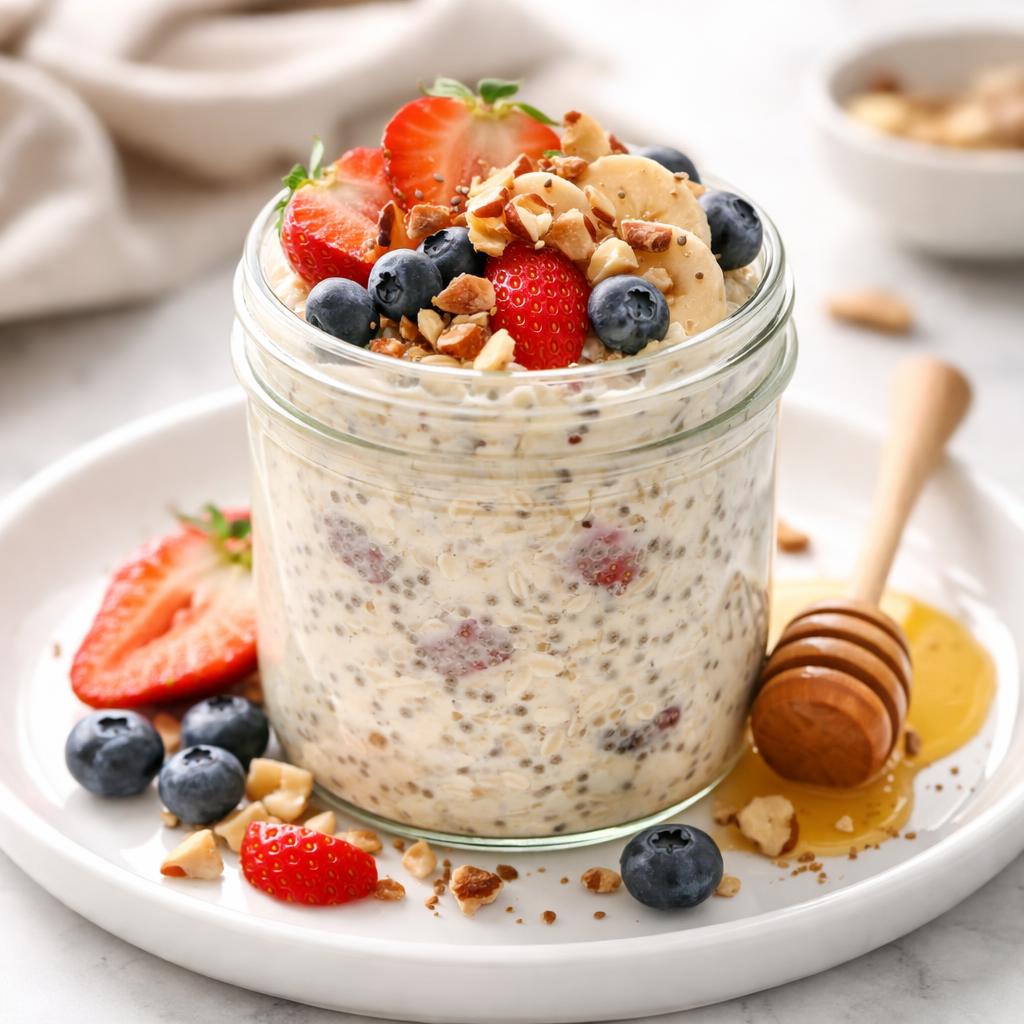
Overnight Oats
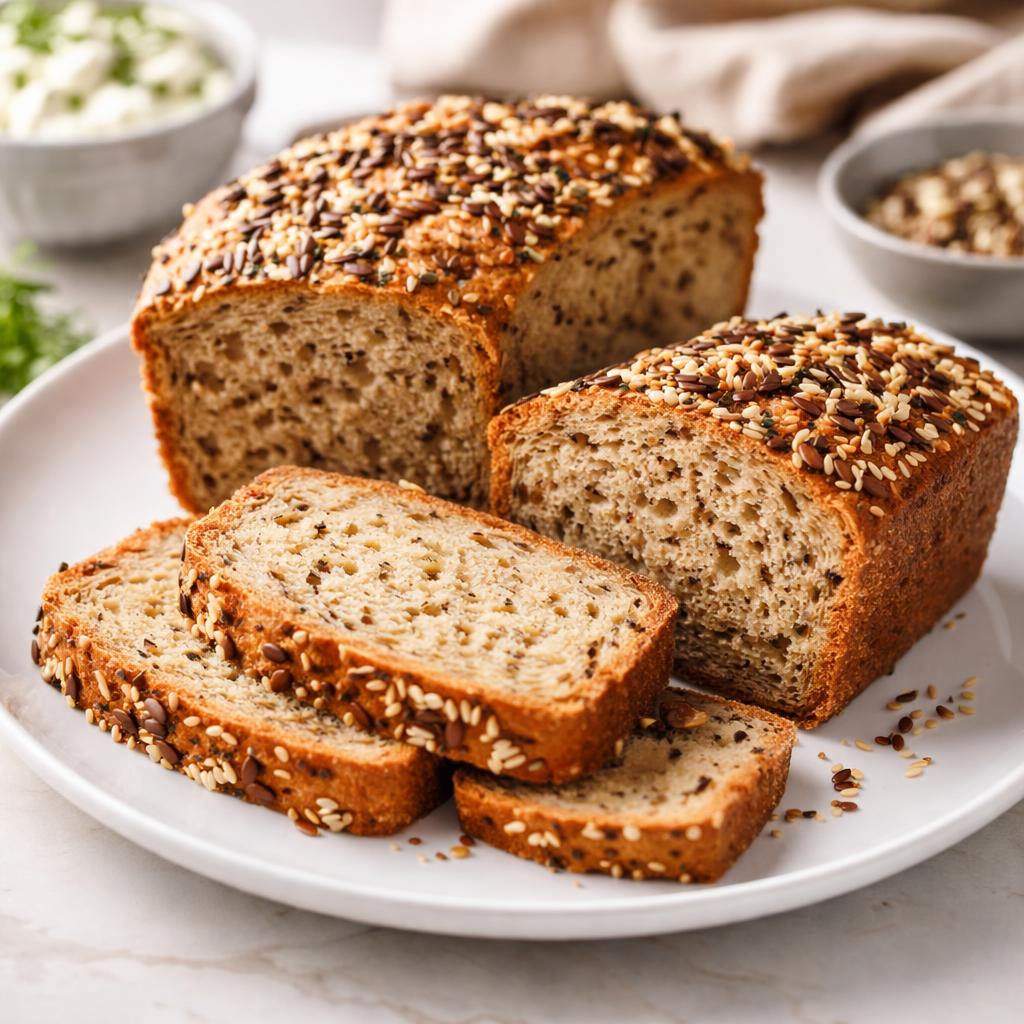
Protein Bread
🎯 Quick Verdict
Overnight oats and protein bread cater to different dietary needs. Overnight oats excel in fiber content and sustained energy due to slow-digesting carbs, while protein bread stands out as a low-calorie, high-protein option ideal for muscle maintenance and low-carb diets. Both are excellent choices depending on health goals and preferences.

Smart Nutrition Tracking with SnapCalorie

📊 Nutritional Comparison
Macronutrients
| Nutrient | Food 1 | Food 2 | Winner |
|---|---|---|---|
| Calories | 250 | 140 | ✓ |
| Protein | 8g | 15g | ✓ |
| Carbs | 38g | 10g | ✓ |
| Fat | 6g | 3g | ✓ |
| Fiber | 6g | 4g | ✓ |
Vitamins & Minerals
| Nutrient | Food 1 | Food 2 | Winner |
|---|---|---|---|
| Vitamin D | 1mcg | 2mcg | ✓ |
| Calcium | 150mg | 200mg | ✓ |
| Iron | 2mg | 1.5mg | ✓ |
🏆 Category Winners
Protein
Protein bread contains nearly twice the protein per serving.
Fiber
Overnight oats provide 50% more dietary fiber.
Calories
Protein bread has 44% fewer calories per serving.
Vitamins
Both foods offer complementary vitamin content without major differences.
🥗 Diet Compatibility
Keto
Food 1: Not Compatible
Food 2: Compatible
Protein bread is low-carb with 10g carbohydrates, suitable for keto diets.
Vegan
Food 1: Compatible
Food 2: Varies by recipe
Overnight oats are vegan; protein bread may include eggs, depending on the recipe.
Gluten Free
Food 1: Compatible
Food 2: Compatible only if made with gluten-free ingredients.
Both can be gluten-free with specific preparation methods.
Paleo
Food 1: Not Compatible
Food 2: Not Compatible
Neither food aligns with paleo principles due to use of grains.
Low-Carb
Food 1: Not Compatible
Food 2: Compatible
Protein bread suits low-carb diets, whereas overnight oats are carb-heavy.
💪 Health Benefits Comparison
Food 1 Benefits
- High in fiber for digestive health
- Provides slow-digesting carbs for sustained energy
- Contains antioxidants (from added fruits or seeds)
- Supports heart health with beta-glucan from oats
Food 2 Benefits
- Excellent source of protein for muscle repair and maintenance
- Low in calories, aiding weight loss or management
- Rich in calcium and vitamin D for bone health
- Supports low-carb and keto lifestyles
✅ The Bottom Line
Overnight oats are a fiber-rich, energy-sustaining breakfast option great for fueling workouts or busy mornings. Protein bread is a high-protein, low-carb alternative perfect for sandwiches or snacks, ideal for weight loss or muscle-building goals. Choose based on your dietary priorities.
Choose Food 1 for: Fiber intake, energy boost, heart health
Choose Food 2 for: Weight loss, muscle building, keto diets


